 Join on WhatsApp
 Join on Telegram
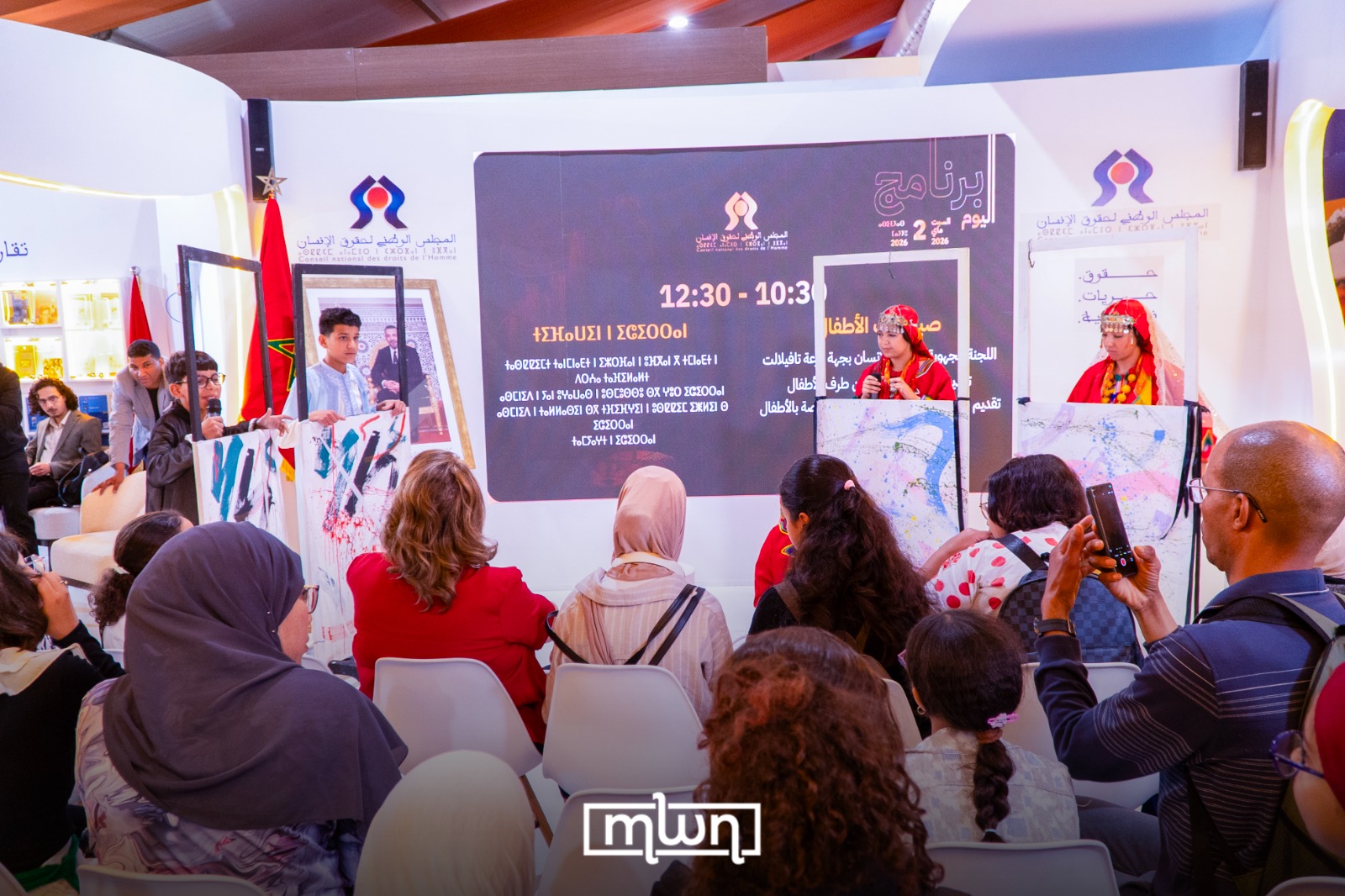
Rabat – The National Human Rights Council (CNDH)’s pavilion at the Rabat book fair became a space where children from the Draa-Tafilalet region turned culture into a message, and performance into a form of testimony.
Students from the region presented artistic work through poetry, theater, debate, and storytelling, as well as spoke about their daily realities and their hopes for a more balanced and fair development across Morocco.
The morning program organized by the regional human rights committee of Draa-Tafilalet offered a platform for young voices from a region often described as marginalized in terms of infrastructure and opportunities. The performances were rich and diverse, as they reflected both local identity and collective concerns.
Students presented traditional cultural elements, including local clothing and regional products such as dates. But beyond culture, the performances carried strong messages about lived experiences in a region facing geographical isolation, limited public services, and unequal access to development opportunities.
Throughout the event, students and facilitators emphasized what they see as urgent needs for their region. These included calls for university hospitals, improved train systems, scholarships for students, free transportation for university students, and the creation of geology-related faculties, given the region’s rich natural resources.
They also raised concerns about safety and infrastructure, particularly the lack of adequate swimming pools in a hot climate, which leads children to swim in dangerous rivers.
According to the students, art, including poetry, theater, and storytelling, was the language through which those demands were expressed.
Other demands reflected a broader vision of “spatial justice,” a concept they repeatedly brought up during the performances. This included calls for fair territorial development, community sports fields, parks, and green spaces. They presented these ideas as more than just infrastructure needs, but as rights connected to dignity, equality, and opportunity.
The students’ artistic performances gave emotional depth to these demands. They used theater and storytelling to express both pride in their identity and frustration with unequal development.
One of the participating students, Hiba Lakhioui, spoke to Morocco World News about the purpose of their presence at the fair and expressed pride in representation and the importance of visibility for regions that are often far from the cultural and political centers.
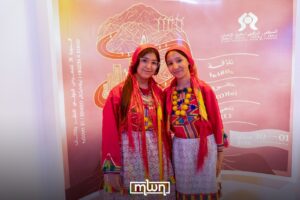
Another student, Fatima Zahra Hatouchi, emphasized the human experience behind the event and the connections made during the program. “It was a wonderful and irreplaceable opportunity. We met new people and discovered new provinces. All regions came together, and we discussed our demands and hope they will be fulfilled,” she said.
The role of education and mentorship was also central to the program. Khalid Moussaif, a teacher of Arabic language and facilitator of the theater and literary creativity workshop, explained the purpose of the students’ participation.
“The goal of our participation is to present the creative work of students, whether in theater, improvisation, public speaking, or debate,” he told
He also stressed that the students used this opportunity to raise structural concerns affecting their region. They called for “ending the isolation of the region by constructing the Tichka tunnel, as well as for the establishment of university hospitals and universities to guarantee access to higher education for all young people and students in the region,” the teacher said.
The presence of the CNDH pavilion has provided a space where cultural expression and human rights discourse intersect. By hosting these morning programs featuring children’s performances, the council aims to amplify voices that are often underrepresented in national discussions about development.