 Join on WhatsApp
 Join on Telegram
Rabat – European airlines are beginning to cancel flights ahead of the summer travel season as soaring jet fuel costs and supply concerns linked to the Middle East war strain the industry, raising fears of wider disruption in the months ahead.
Low-cost carrier Transavia this week announced its first cancellations for May and June, citing sharply higher kerosene prices and difficulties importing fuel from Gulf suppliers. The move follows similar decisions by Ryanair and Volotea, signaling mounting pressure across the sector.
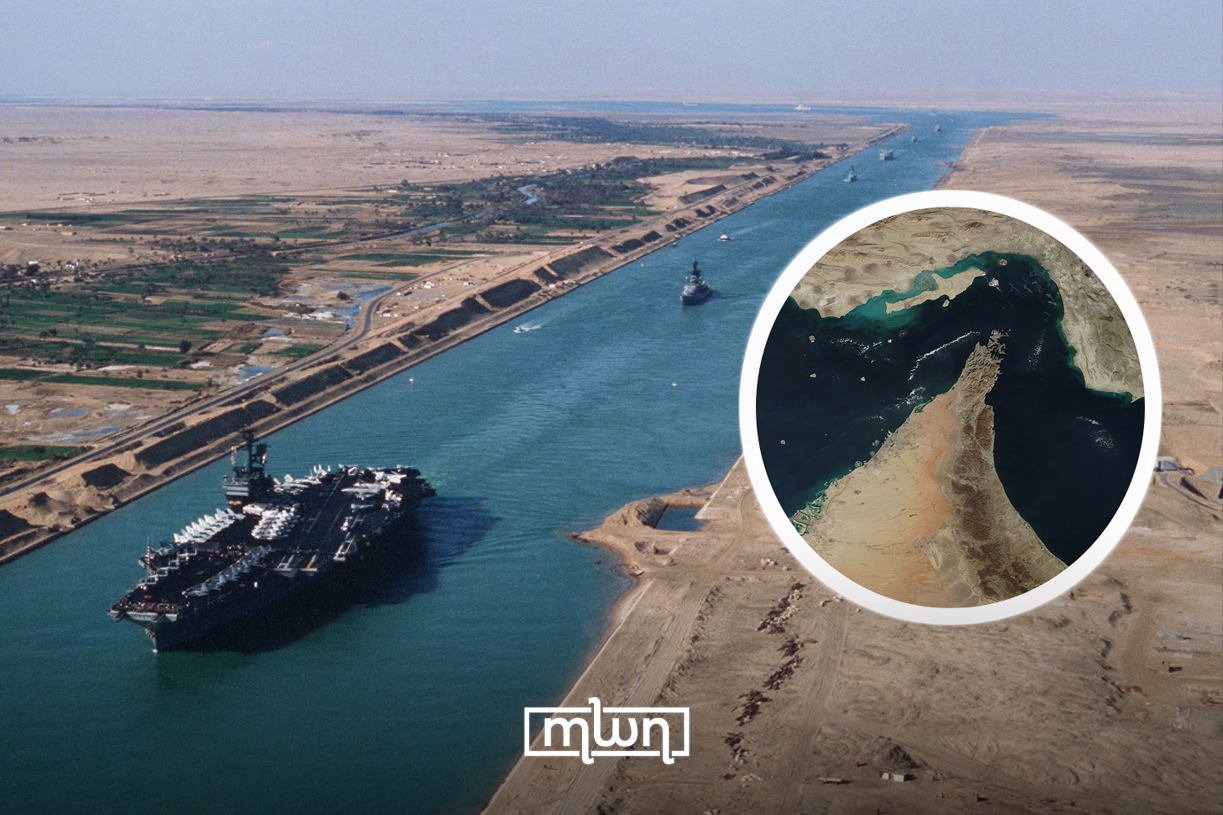
The concerns come as shipping through the Strait of Hormuz remains heavily disrupted, tightening global oil and refined fuel markets. The head of the International Energy Agency (IEA) warned in mid-April that Europe had “maybe six weeks of jet fuel left,” intensifying anxiety among policymakers and airlines.
Dependence on imports
Europe relies heavily on imported jet fuel, leaving it exposed to geopolitical shocks.
“France produces much less kerosene than it consumes,” said Wouter Dewulf, a professor of transport economics at the University of Antwerp. “About 3 million tons are produced each year, while the country consumes 5 million. The extra two million come from overseas, primarily the Middle East.”
Jet fuel, typically refined from crude oil as Jet A-1, has been particularly affected by the disruption. Before the war, around 20% of France’s supply came directly from the Middle East, with the rest split between domestic refining and imports from other regions.
“The continent produces very little oil and has reduced its refining capacity in recent years,” said Thierry Bros, an energy specialist at Sciences Po. “It increasingly depends on importing refined products, making it particularly vulnerable to international crises.”
Short-term relief, long-term risks
French officials have sought to reassure markets that immediate shortages are unlikely.
“At the moment, there is no risk of a kerosene shortage in the coming weeks,” government spokesperson Maud Bregon said, noting that France has strategic reserves equivalent to around two months of supply.
Airports in Paris are also relatively insulated. “Aeroports de Paris relies on a network of pipelines directly connected to refineries and a terminal in Le Havre,” said Christelle de Robillard, the group’s chief strategy officer. “The majority of crude oil comes from North America, so we are in a rather better position.”
However, smaller regional airports could face tighter conditions if the crisis persists.
Analysts say the duration of the war will be critical. “The combination of these factors should save the summer,” Dewulf said to France24. “But if the situation drags on, the same questions may arise in autumn.”
European authorities are already preparing contingency measures. The European Commission said it may consider “collective action” to safeguard supply and maintain the functioning of the single market, while France is due to meet airlines on May 6 to discuss the peak travel season.
Rising prices and cancellations
Even without an outright shortage, travelers are likely to face higher fares.
“We have to distinguish between availability and price,” Bros said. “Just because there isn’t a shortage doesn’t mean ticket prices won’t shoot up.”
Kerosene prices have more than doubled since the war escalated, and fuel can account for up to 40% of airline operating costs.
Low-cost carriers, which rely on thin margins, are particularly exposed. “It’s not so much a fuel shortage issue as an issue of profitability,” Bros said. “If costs become too high and passengers are unwilling to pay, grounding aircraft may be the most financially sound choice.”
Government officials echoed that view. “Airlines cancel flights for economic reasons,” Bregeon said. “These are flights that are no longer profitable due to increased fuel costs.”
Limited options for passengers
Under European Union rules, airlines can cancel flights without compensation if they notify passengers at least 14 days in advance or if cancellations are caused by “extraordinary circumstances,” such as geopolitical crises.
Passengers are entitled to a refund or rebooking, but little else. As uncertainty lingers over fuel supplies and prices, travelers heading into the busy summer season may face higher fares, fewer flight options, and last-minute schedule changes.