


 Join on WhatsApp
 Join on Telegram
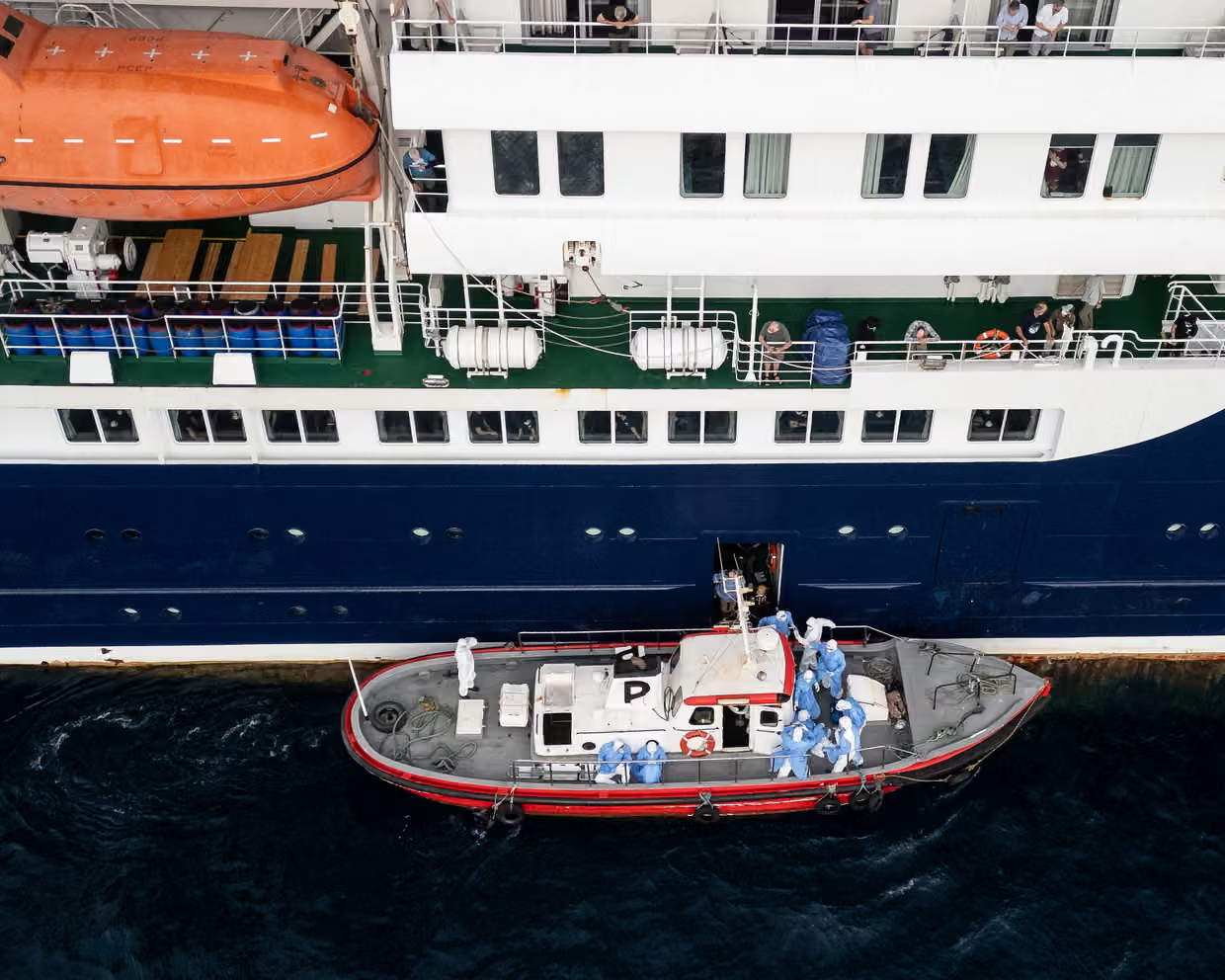
Rabat – A cluster of hantavirus cases has been reported on a cruise ship traveling between South America and Africa. The ship, the MV Hondius, carried around 147 passengers and crew when the outbreak began in April 2026.
At least seven people had become ill by early May, and three deaths have since been reported. Health agencies, including the World Health Organization (WHO), are now monitoring the situation, although the overall risk to the public is considered low.
Hantaviruses are a group of viruses carried mainly by rodents such as mice and rats. People usually become infected when they breathe in air contaminated with particles from rodent urine, droppings, or saliva. Infection can also happen through bites or scratches, but this is rare. In most cases, hantaviruses do not spread easily from person to person.
Read also: Morocco Reportedly Denied Airspace to Air Ambulance Carrying Hantavirus Patients
There are two main illnesses caused by hantaviruses, according to the US Centers for Disease Control and Prevention. One is hantavirus pulmonary syndrome (HPS), which affects the lungs and is found mostly in the Americas. The other is hemorrhagic fever with renal syndrome (HFRS), which affects the kidneys and is more common in Europe and Asia. HPS can begin with flu-like symptoms such as fever, fatigue, and muscle pain, but it can quickly worsen and cause severe breathing problems as fluid fills the lungs.
In this outbreak, tests identified the Andes hantavirus strain. This strain is unusual because it is the only type known to sometimes spread between people, although this only happens in rare cases and usually after very close contact. Health officials have isolated sick individuals and are tracing contacts to prevent further spread.
Early reports indicate the first cases appeared in mid-April, with passengers developing fever, headache, and digestive symptoms before some progressed to severe respiratory illness. Some patients were evacuated for medical care on land, while others were treated while still on the ship. Authorities later moved the vessel to different ports for monitoring and quarantine procedures.
There is currently no specific cure for hantavirus infections. Treatment focuses on supportive care, such as oxygen therapy or mechanical ventilation for severe lung problems, and dialysis if the kidneys are affected. Recovery can take weeks or months, and in severe cases, the disease can be fatal.
Health experts emphasize that hantavirus outbreaks remain rare, and most infections still come from contact with infected rodents in rural or wild environments.


