
 Join on WhatsApp
 Join on Telegram
Mexico’s government has officially reversed its previous decision to shorten the 2025-2026 school year ahead of the 2026 FIFA World Cup, backing away from the plan after days of heavy criticism from parents, teachers, and education experts.
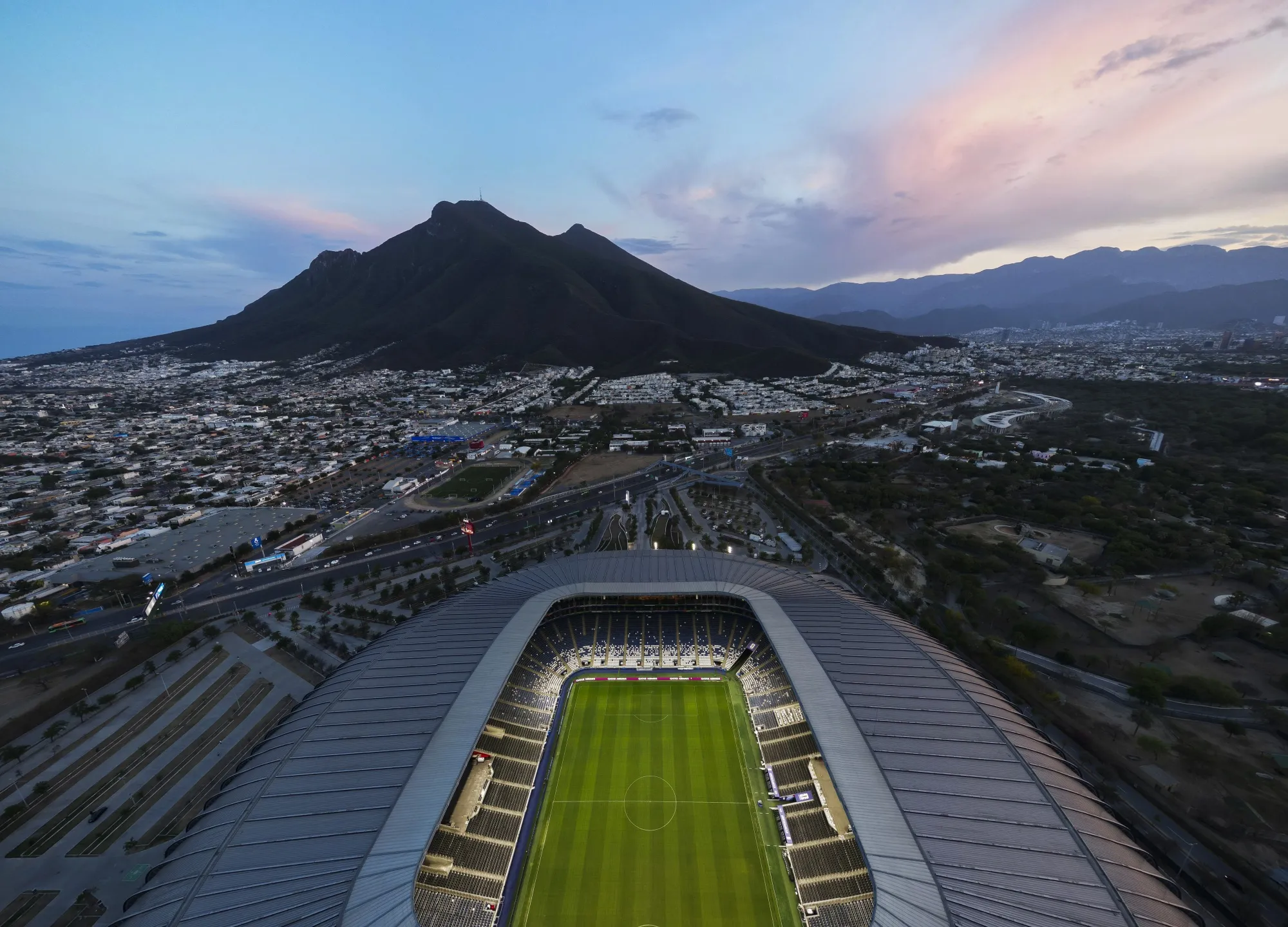
The country is preparing to co-host the 2026 FIFA World Cup alongside the United States and Canada, with the tournament set to begin on June 11 at Estadio Azteca. Mexico will stage 13 matches across Mexico City, Guadalajara and Monterrey.
Authorities confirmed that the academic year will now finish on July 15, 2026, restoring the original national school calendar after the Ministry of Public Education (SEP) had previously proposed ending classes on June 5.
The earlier proposal would have cut more than 40 days from the school year for roughly 24 million students across the country.
Why the government backed down
The initial decision had been presented as a response to two major concerns: the logistical pressure of co-hosting the World Cup and the impact of extreme heat across several regions of Mexico.
Officials argued that ending classes earlier would reduce congestion and limit health risks during what they described as an “extraordinary heat wave,” with temperatures already surpassing 42°C in some areas.
But the proposal quickly sparked backlash nationwide.
Parents’ associations, teachers and education specialists warned that removing more than a month of instruction could seriously affect academic progress, especially in public schools already dealing with learning gaps in recent years.
Critics also questioned why the entire country should lose classroom time for a tournament centered around only three host cities: Mexico City, Guadalajara and Monterrey.
Even though the national calendar has been restored, authorities said regional flexibility could still apply in exceptional situations linked to heat or specific logistical challenges during the tournament.
In the state of Jalisco, for example, classes will only be suspended during the four days in which Guadalajara hosts World Cup matches.
Nuevo León, meanwhile, had already decided to keep its school calendar unchanged from the beginning.
The reversal was finalized after an extraordinary meeting between federal and state education officials on May 11, where authorities agreed to preserve the standard 185-day academic calendar.