
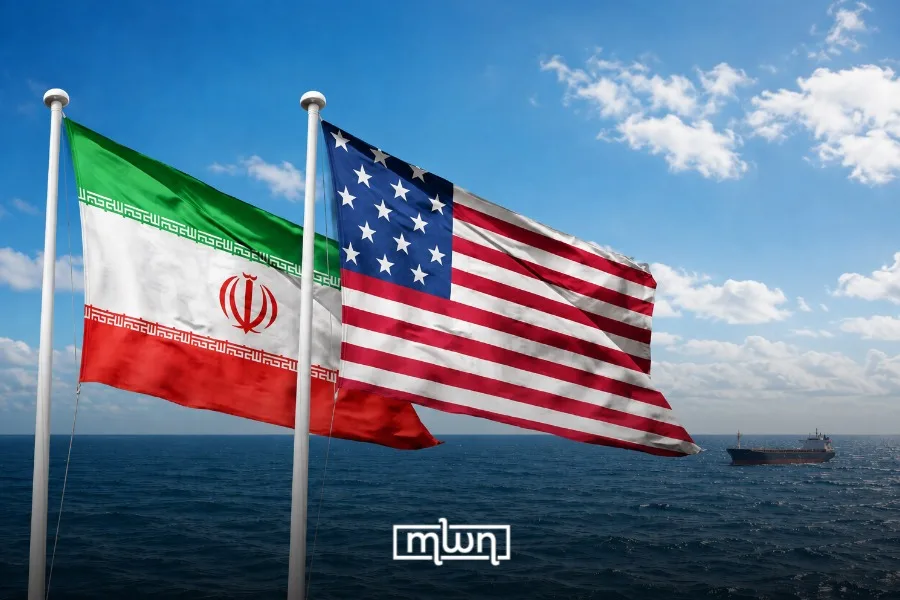
Fez – The United States has lifted its naval blockade of Iran after Washington and Tehran signed an initial agreement aimed at easing tensions and paving the way for a broader deal.
US Vice-President JD Vance announced on Thursday that the agreement had officially come into force, launching a 60-day period during which both sides will try to negotiate a final settlement.
He stressed that Iran would not receive any financial benefits or sanctions relief unless it fulfilled all the obligations outlined in the deal.
“The agreement creates a clear framework,” Vance said, adding that Tehran would have to prove its commitment before receiving any economic concessions.
The lifting of the naval blockade marks one of the most significant steps Washington has taken under the new agreement.
It also means that traffic through the Strait of Hormuz, a strategic waterway through which a large share of the world’s oil passes, will resume normally.
The preliminary accord was signed late Wednesday by US President Donald Trump and Iranian President Masoud Pezeshkian.
Shortly after the signing ceremony, Pezeshkian said the agreement demonstrated that Iran had not “traded its dignity” in exchange for economic relief.
The two countries have agreed on a 14-point memorandum of understanding that outlines the framework for future negotiations.
Among its main provisions are the reopening of the Strait of Hormuz and a proposed $300 billion plan aimed at supporting Iran’s reconstruction and economic recovery.
The next two months are expected to be crucial as Washington and Tehran attempt to transform the initial agreement into a lasting deal.
While both sides have presented the accord as a diplomatic breakthrough, significant challenges remain before a final settlement can be reached.