 Join on WhatsApp
 Join on Telegram
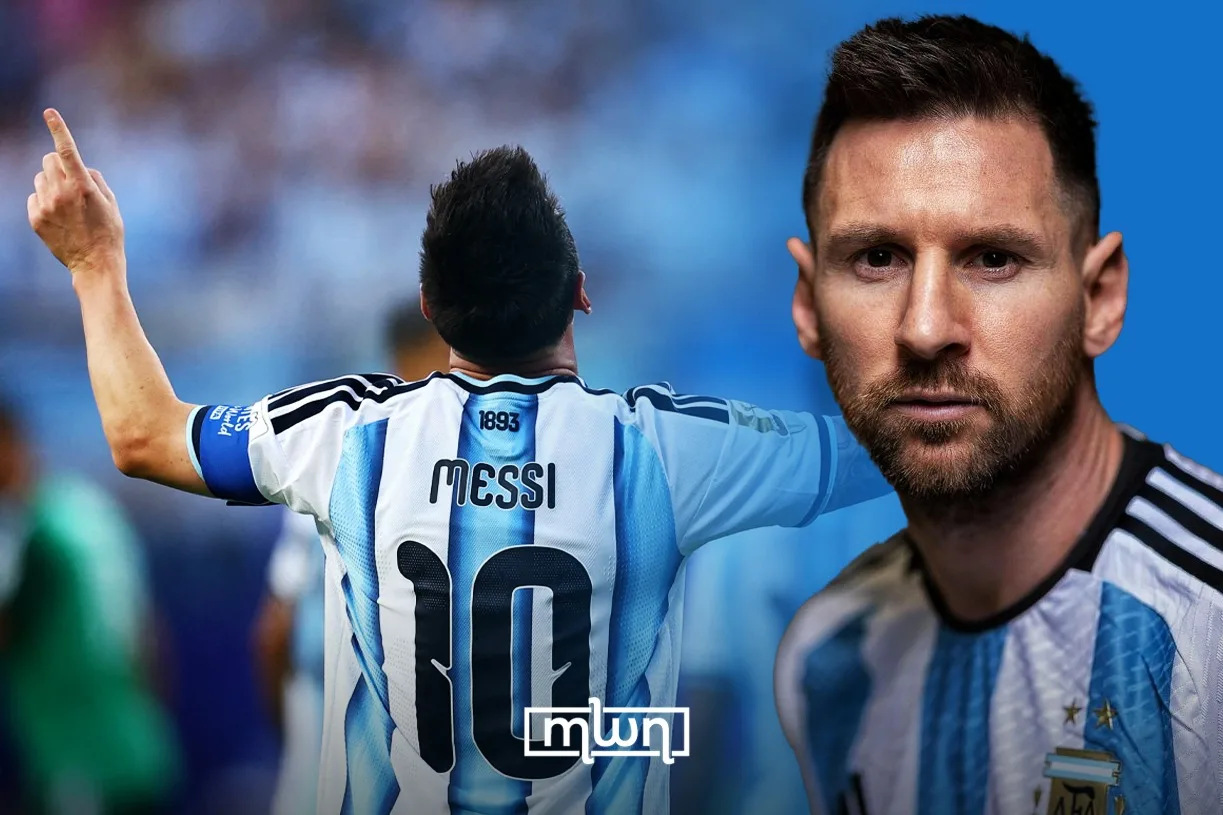
Rabat – Lionel Messi’s record-breaking start at the 2026 FIFA World Cup has been accompanied by a familiar debate: are referees treating football’s biggest star differently from other players?
The discussion intensified following Argentina’s 3-0 victory over Algeria, in which Messi scored a hat-trick to equal Miroslav Klose’s all-time World Cup scoring record. However, much of the post-match conversation centered on a first-half challenge involving the Argentine captain rather than his goals.
Around the half-hour mark, Messi caught Algeria defender Aïssa Mandi with his studs during a challenge. Referee Szymon Marciniak awarded a foul but chose not to show a card, while VAR officials did not intervene. The decision immediately sparked criticism from fans, pundits, and former players.
ESPN analyst Alejandro Moreno was among those questioning the decision, arguing that the incident deserved a red card.
Social media users also accused officials of showing leniency toward one of football’s most recognizable figures, with some claiming that another player would have been punished more severely for a similar challenge.
“Yes, superstars receive preferential treatment from referees, although nothing like as much as many fans seem to think,” ex-Premier League referee Graham Scott said.
The controversy has reignited a long-running debate that has followed Messi throughout his career. Due to his status as one of the sport’s greatest players, refereeing decisions involving him often receive far greater scrutiny than those concerning most footballers.
Supporters of the Argentina captain argue that every major star, from Messi to Cristiano Ronaldo and Kylian Mbappé, becomes the subject of controversy because of the attention they attract.
Others, however, believe the Algeria incident is evidence that elite players can sometimes benefit from subconscious bias. Critics point to the lack of disciplinary action despite multiple replay angles appearing to show significant contact.
At the same time, controversial officiating has not been limited to matches involving Messi. During France’s opening World Cup victory over Senegal, officials faced criticism for denying Mbappé a penalty after a VAR review, demonstrating that refereeing disputes have become a tournament-wide issue rather than one focused on a single player.
For now, there is no evidence proving that FIFA officials are intentionally favoring Messi. What remains clear is that every decision involving the Argentine superstar is being examined under an intense spotlight as he pursues what could be the final World Cup of his remarkable career.
The debate over whether that spotlight reveals preferential treatment or simply reflects his global stature is likely to continue throughout the tournament.