 Join on WhatsApp
 Join on Telegram
For years, Morocco arrived at major tournaments as the ambitious outsider hoping to challenge football’s established powers. That identity has changed. As the Atlas Lions face Scotland in their second Group C match of the 2026 FIFA World Cup, they do so not as a surprise package but as a team expected to compete among the world’s best, a new status that brings a different kind of pressure.
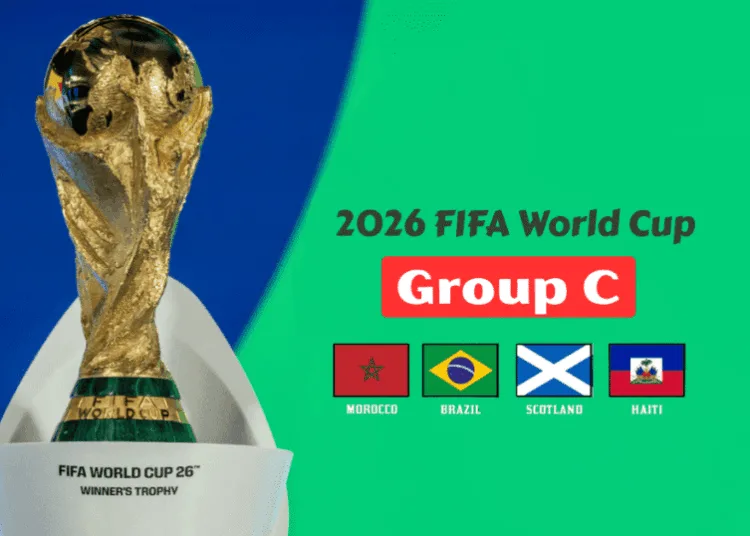
Morocco began their campaign with a 1-1 draw against five-time champions Brazil, a result that reflected their growing reputation on the global stage. Scotland, meanwhile, secured a 1-0 victory over Haiti, putting them in a strong position early in the group. Their meeting carries a different meaning from their previous World Cup encounter in 1998, when Morocco won 3-0. Today, the balance of respect has shifted.
The weight of the Qatar World Cup
Morocco’s transformation began at the 2022 World Cup in Qatar, where they became the first African nation to reach the semi-finals. Walid Regragui’s side shocked the football world by eliminating Spain on penalties and defeating Portugal in the quarter-finals after earlier topping a group featuring Belgium and Croatia.
That historic run changed perceptions of African football and turned Morocco from a hopeful challenger into a respected international force. Their success was built on defensive organization, team unity and a mentality that allowed them to compete with some of the world’s strongest nations.
Former England international and BBC pundit Rio Ferdinand was among those who recognized Morocco’s achievement, highlighting how the team’s performances had changed the way they were viewed globally. Although those reactions followed the 2022 tournament, they represent the turning point behind the expectations Morocco now carries in 2026.
Respect comes with pressure
Scotland head coach Steve Clarke has acknowledged Morocco’s new status, describing them as a top-level opponent and warning that the current squad may be even stronger than the team that reached the semi-finals in Qatar. Scotland captain Andy Robertson also recognized the challenge, admitting they are facing one of the world’s strongest teams while insisting his side can compete if they perform at their best.
Morocco’s own ambitions have also grown. After their 2022 success, then-coach Regragui said there was no reason the team could not “dream about winning the World Cup.” Those words carried a different meaning then; they came from a team exceeding expectations. In 2026, they represent the standard the Atlas Lions are expected to chase.
A new challenge
The pressure is even greater with a new coach in charge. Mohamed Ouahbi, who replaced Regragui, inherits a team that already has a strong foundation. His task is not to create Morocco’s identity, but to maintain the level that made them one of football’s biggest stories in recent years.
Morocco entered this World Cup respected, prepared for, and no longer underestimated. Every performance is now judged against the historic achievements of Qatar.
As they face Scotland, the battle is not only tactical but psychological. Scotland carry the freedom of being underdogs, while Morocco carry the expectations created by their own success. The Atlas Lions are no longer chasing the dream; they are now trying to prove they belong among those who can achieve it, the global powers.