
 Join on WhatsApp
 Join on Telegram
Rabat — Venezuela is grappling with one of the deadliest natural disasters in its modern history as the death toll from this week’s twin earthquakes climbed above 920, while more than 50,000 people remain unaccounted for amid frantic rescue efforts.
The two powerful earthquakes, measuring 7.2 and 7.5 in magnitude, struck northern Venezuela within seconds of each other on Wednesday, leaving widespread destruction across several regions. The second tremor was among the strongest recorded in the country in over a century.
Authorities said at least 3,360 people have been injured, overwhelming an already fragile healthcare system. Many of the wounded are receiving treatment in temporary medical facilities after hospitals and other critical infrastructure suffered severe damage.
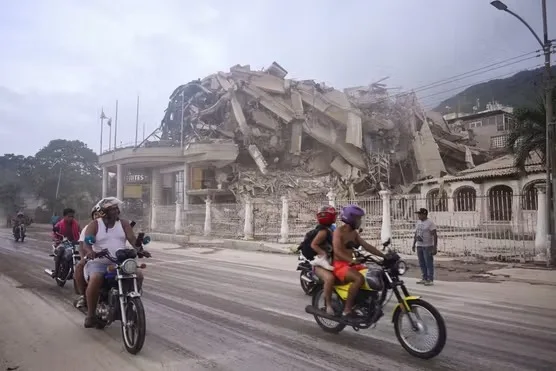
Coastal city La Guaira, located near the capital Caracas, has emerged as one of the hardest-hit areas. Entire residential blocks have been reduced to rubble, with desperate families, neighbors, and volunteers continuing to search for survivors beneath collapsed buildings.
“We need help. There are still people alive under the debris,” said survivor Marlon Ochoa, who escaped the collapse of a residential building but is still searching for his mother, wife, and son. He said rescuers on the ground lack the specialized equipment needed to cut through steel and move massive concrete slabs.
The scale of the disaster is expected to worsen. Speaking in Geneva, UN humanitarian chief Tom Fletcher said more than 50,000 people are currently reported missing, warning that the death toll could rise significantly as rescue operations continue.
Despite difficult conditions, authorities reported that dozens of survivors have been pulled alive from the wreckage, offering rare moments of hope amid the devastation.
Read also: US and Venezuela Restore Diplomatic Ties as Washington Seeks Mineral Access
Acting President Delcy Rodríguez announced Friday that 14,000 military and police personnel had been deployed to La Guaira, which has been placed under heightened security measures following reports of looting in some affected neighborhoods.
Officials said more than 200 aftershocks have shaken the country since the initial earthquakes, further complicating rescue efforts and raising fears of additional building collapses.
The disaster has damaged or destroyed hundreds of buildings, including hospitals, shopping centers, and key public facilities. Authorities estimate that at least 1,000 infrastructure sites nationwide have been affected.
International assistance has begun arriving nearly two days after the catastrophe. Search-and-rescue teams from at least 17 countries are now operating in Venezuela, joining local responders in the race against time.
The United States announced the deployment of a 250-member emergency team after pledging $150 million in aid and dispatching military vessels, transport aircraft, and helicopters to support relief efforts.
However, some international rescuers have expressed concern over the slim chances of finding more survivors. Nadiomar Polanco, who leads a Chilean rescue contingent working in La Guaira, said his team is increasingly focused on recovering bodies rather than locating survivors.
Among those confirmed dead are several foreign nationals, including Portuguese, Chinese, Spanish, Brazilian, Chilean, and Italian-Venezuelan citizens.
As rescue crews continue combing through mountains of debris, thousands of families across Venezuela remain trapped in agonizing uncertainty, waiting for news of loved ones still missing.