
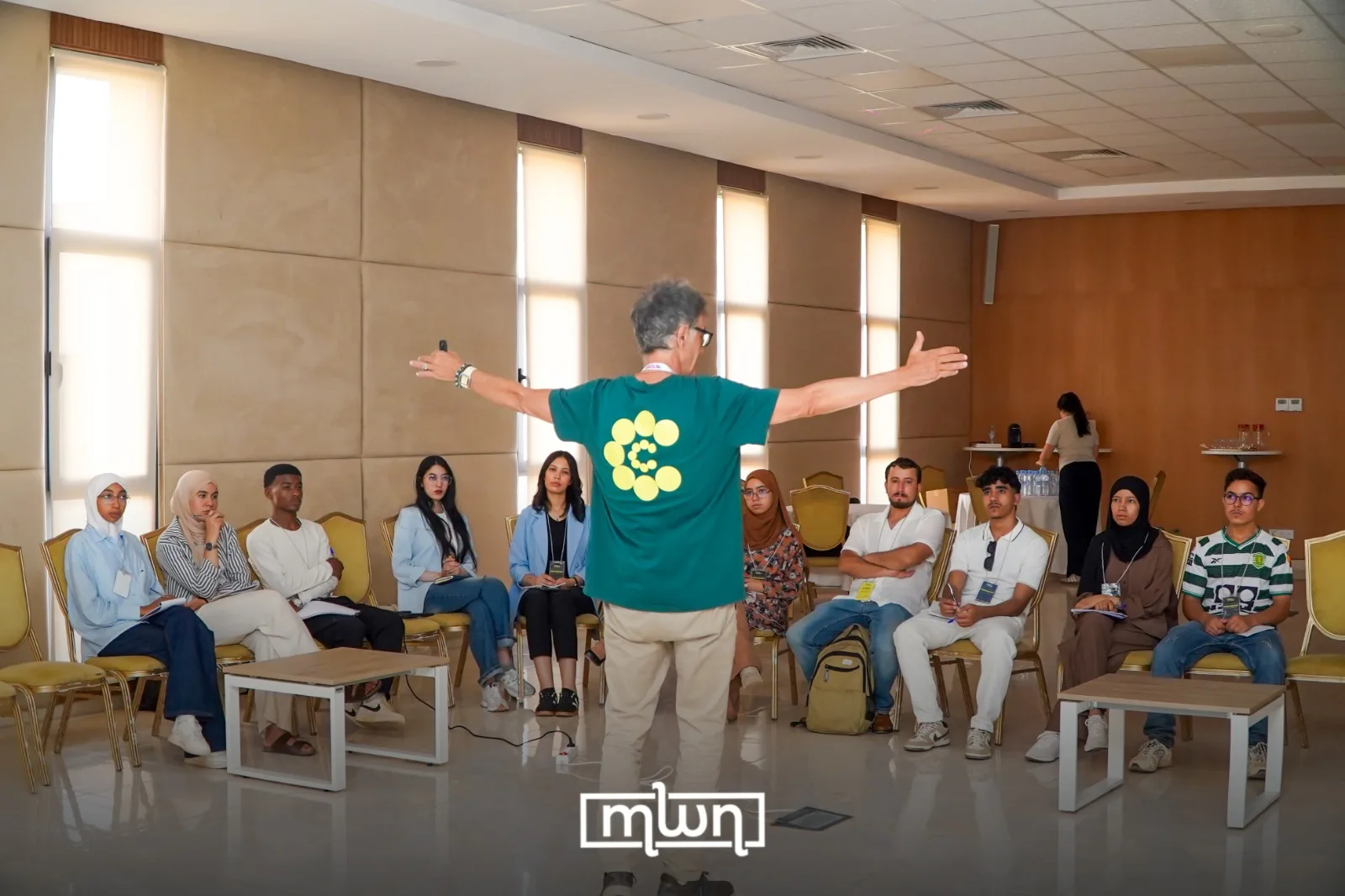
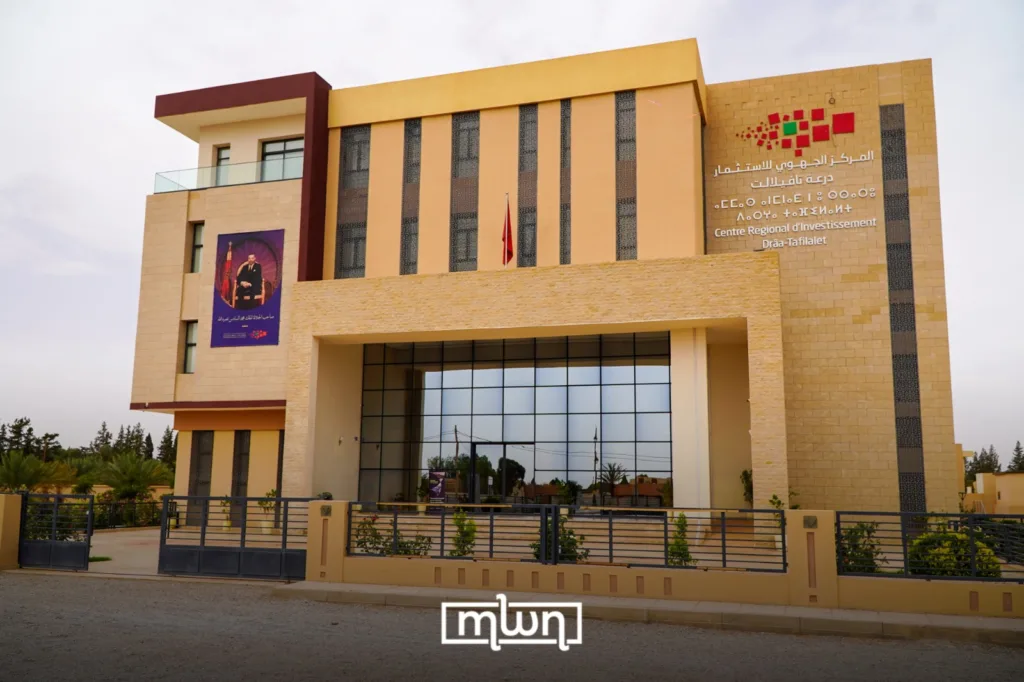
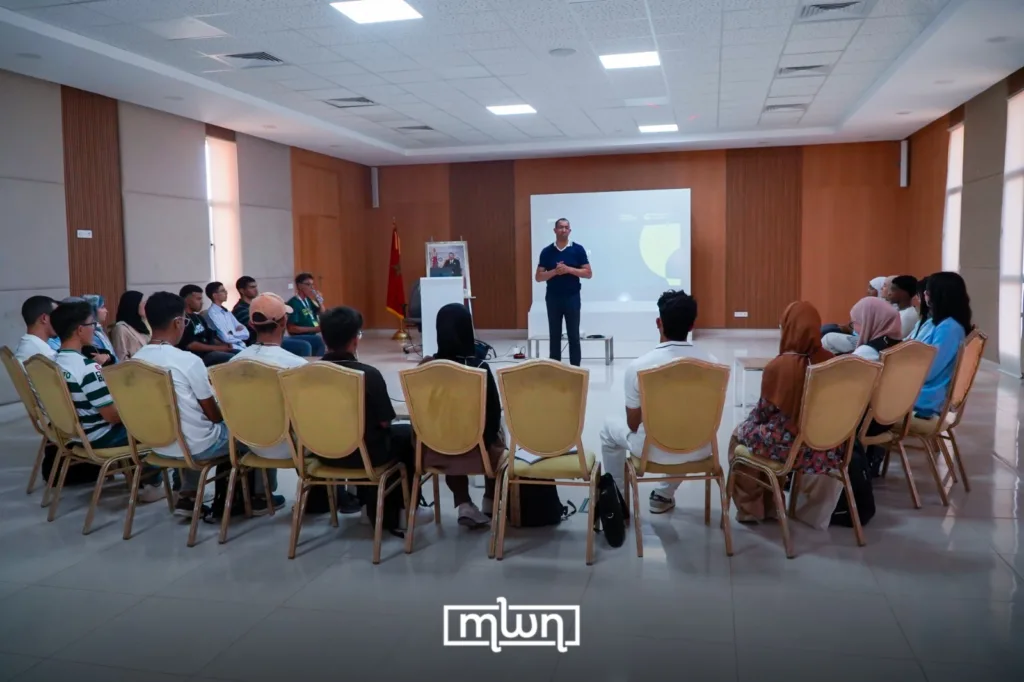
Errachidia — ClimateLaunchpad Morocco opened its Errachidia bootcamp on Tuesday at the Regional Investment Center (CRI) of Drâa-Tafilalet, welcoming entrepreneurs seeking to transform local climate challenges into viable businesses.
The July 14–15 program marks the second stop of the 2026 Regional Bootcamp Tour. It follows the opening sessions in Meknes and precedes the final stop in Agadir on July 17 and 18.
Ahmed Larouz, founder of Women in Cleantech and leader of ClimateLaunchpad Morocco, supervised the organizing team and welcomed the new cohort with an introduction to the competition.
Larouz told participants that Drâa-Tafilalet holds particular personal significance because he comes from the region. He said this connection strengthens his commitment to helping its young people access opportunities and pursue ambitious entrepreneurial paths.
His opening message centered on “passion and determination as the forces that move people beyond dreams” and toward measurable achievements.
Larouz also coordinated an online bootcamp running in parallel, reflecting ClimateLaunchpad Morocco’s wider effort to reach entrepreneurs through both regional and digital programming.
Building companies through collaboration
Dutch cleantech expert Ron Bloemers led the technical training, continuing a curriculum he has refined through years of work with climate entrepreneurs.
Bloemers is the founder and managing partner of START-U-UP and has spent more than two decades working in cleantech, entrepreneurship, and innovation. He previously worked as a renewable energy and climate change expert at McKinsey & Company.
He told participants that the greatest success of ClimateLaunchpad is “not the competition itself, but the collaboration it creates among founders, mentors, trainers, and regional ecosystems.”
The program describes itself as the world’s largest green business ideas competition. Its competition pathway combines bootcamp training, follow-up coaching, and opportunities to pitch at national and international stages.
ClimateLaunchpad Morocco is led nationally by Bridgizz. Women in Cleantech forms part of the wider Moroccan initiative and receives support from the German Agency for International Cooperation.
The support was developed through the Gender Responsive and Inclusive Politics and Economics in the Middle East and North Africa Region project, which seeks to strengthen women’s economic and political participation.
Hind Laârif, marketing lead for Women in Cleantech in Drâa-Tafilalet, said the program seeks to bring entrepreneurship opportunities closer to young people in a region that is often overlooked.
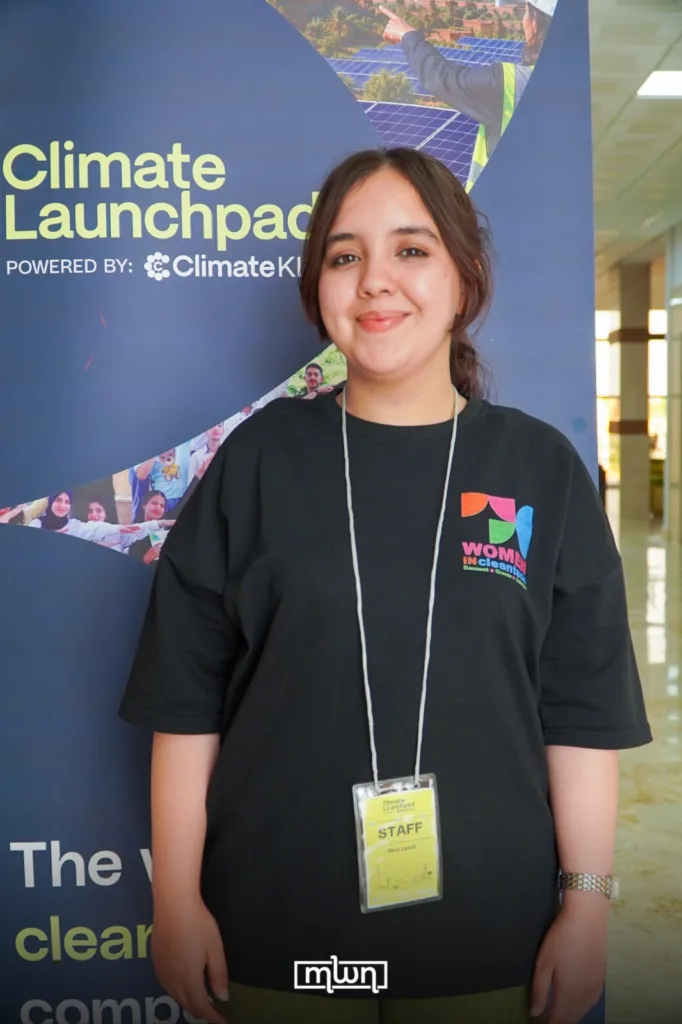
“We believe young people have the creativity and passion to build a more sustainable future,” Laârif told Morocco World News (MWN). “Our mission is to help them turn that vision into reality.”
She said the region has strong potential for green innovation because its entrepreneurs understand the environmental pressures affecting their communities.
Solving problems faster
Bloemers guided participants through exercises on founder identity, reputation, customer needs, business models, and structured problem-solving.
“Success as a startup depends on how fast you are at solving problems,” he told the cohort, a principle he has also emphasized in previous ClimateLaunchpad training.
One exercise used the Founder’s Dream canvas to help teams articulate what they wanted to build, whom they wanted to serve, and why their proposed solutions should exist.
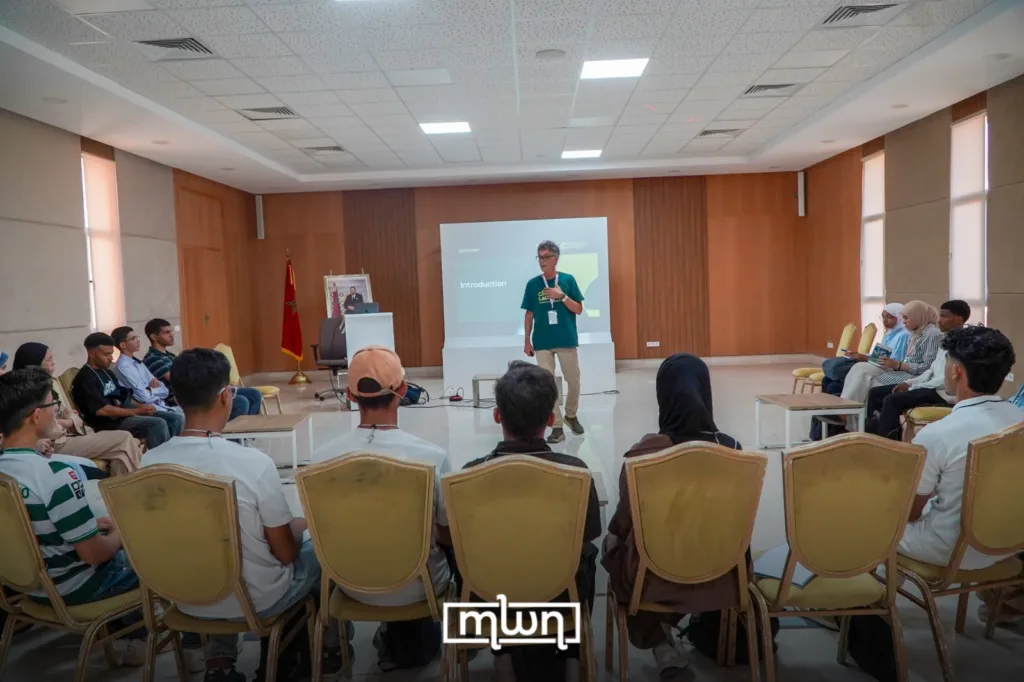
Bloemers also introduced “Mutually Exclusive, Collectively Exhaustive” (MECE), a consulting framework that helps with market segmentation.
His advice on presentations was more direct: Keep the pitch deck “stupid simple,” which is a principle he brought from work with McKinsey & Company.
The goal, he explained, is not to impress audiences with complexity. Founders must communicate their problem, solution, market, team, impact, and financial potential without making investors search for the main point.
Bloemers also discussed the power of two-sided markets, where a company creates value by connecting two groups with complementary needs.
Bloemers discussed Tuk Tuk Factory, which grew from a Delft University of Technology student project into an electric mobility venture back in 2008. He used the example to show how technical ideas can become scalable businesses through testing, partnerships, and strong execution.
Aqualytics monitors water networks
Among the participating teams was Aqualytics, led by founder Mouad El-Kandoussi.
The proposed artificial intelligence-powered device would monitor water flows at utilities and help operators identify flooding, leaks, or network irregularities more quickly.
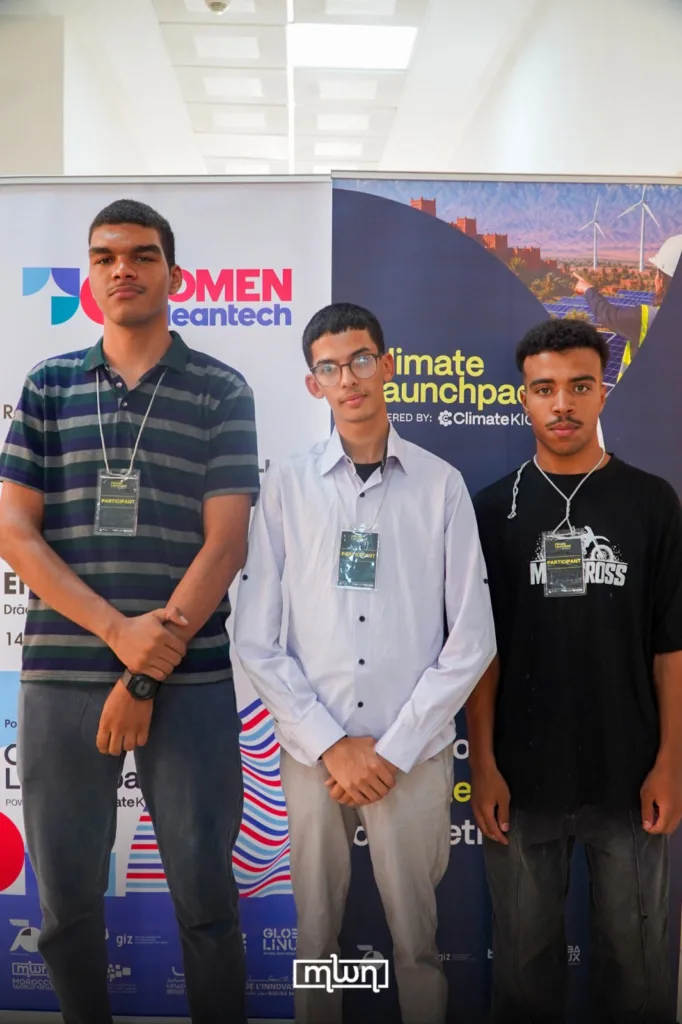
“Aqualytics began as an idea, two pens, and the hope of reaching the finals,” El-Kandoussi told MWN.
He credited ClimateLaunchpad with giving the team a structured opportunity to develop the concept and encouraged other Moroccan students to participate in similar programs.
The Aqualytics team also includes Mohamed Terfas, system design coordinator and workflow strategist, and Imad Talbioui, technical lead, device manager, and system engineer.
Together, they aim to improve the device, strengthen its operational model, and prepare the project for the competition’s next stages.
Plant Doctor connects agriculture and technology
Sisters Chaimae and Fatima-Ezzahra Oustani presented Plant Doctor, an artificial intelligence platform designed to diagnose plant diseases and optimize irrigation.
The application also seeks to connect farmers with researchers and biological input suppliers, reducing crop losses while helping agricultural users manage water and other resources more efficiently.
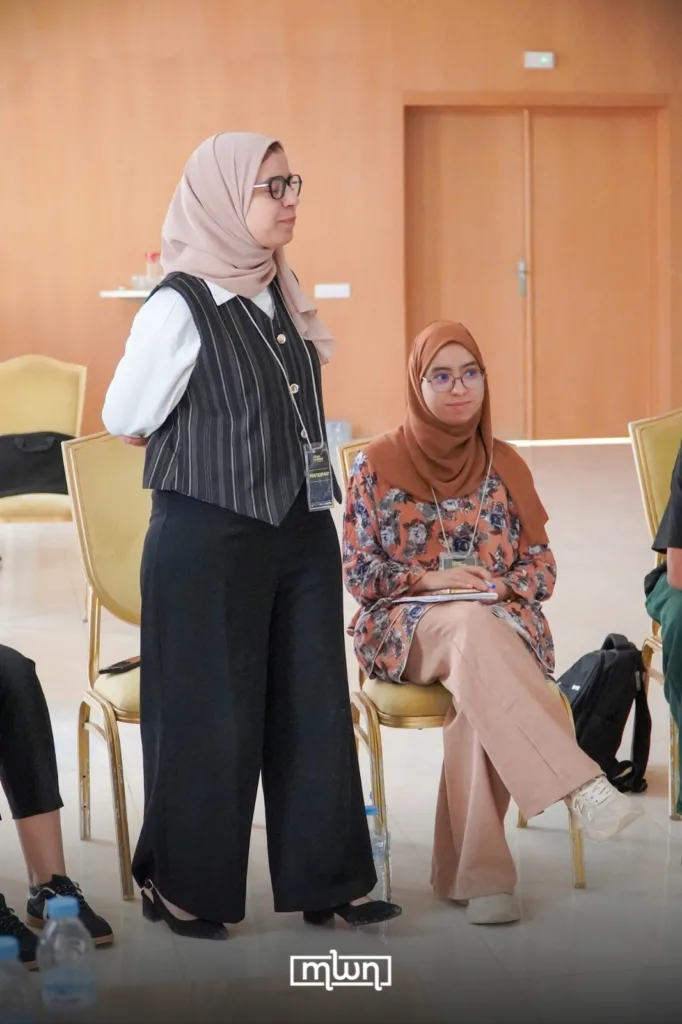
Chaimae Oustani, the project’s co-founder and a master’s student in applied informatics for business management, said the bootcamp strengthened both the project and its presentation.
“The bootcamp helped us learn more about the project, improve our pitch, and become more capable of presenting our idea to investors,” she told MWN.
She also welcomed the focus on women entrepreneurs, saying Women in Cleantech gives participants space to present their projects, build networks, and develop confidence.
Fatima-Ezzahra Oustani, a full-stack web developer, said the training pushed her to think beyond Plant Doctor’s technical functions.
She explained that Bloemers’ sessions helped the team consider how an innovative application could become a sustainable business. Constructive feedback from other participants also generated new ideas for improving the platform.
Fatima-Ezzahra credited her sister with encouraging her to join the program, work as part of a team, and move beyond her professional comfort zone.
The first day in Errachidia showed how regional climate entrepreneurship can combine personal ambition with locally informed solutions.
Compared with the Meknes group, the Errachidia cohort appeared younger and more reserved in its first interactions. The quieter atmosphere seemed to reflect, in part, the modest communication style common among many participants from the region. Their restraint did not suggest a lack of confidence or ability; rather, it revealed a thoughtful group whose technical competence and ambition became clearer as the sessions progressed.
The program is betting that Morocco’s next green business may emerge wherever talent receives the tools, networks, and opportunity to develop.
Larouz is hoping the next unicorn in cleantech will emerge from one of these regions, something that will certainly make him very proud.