
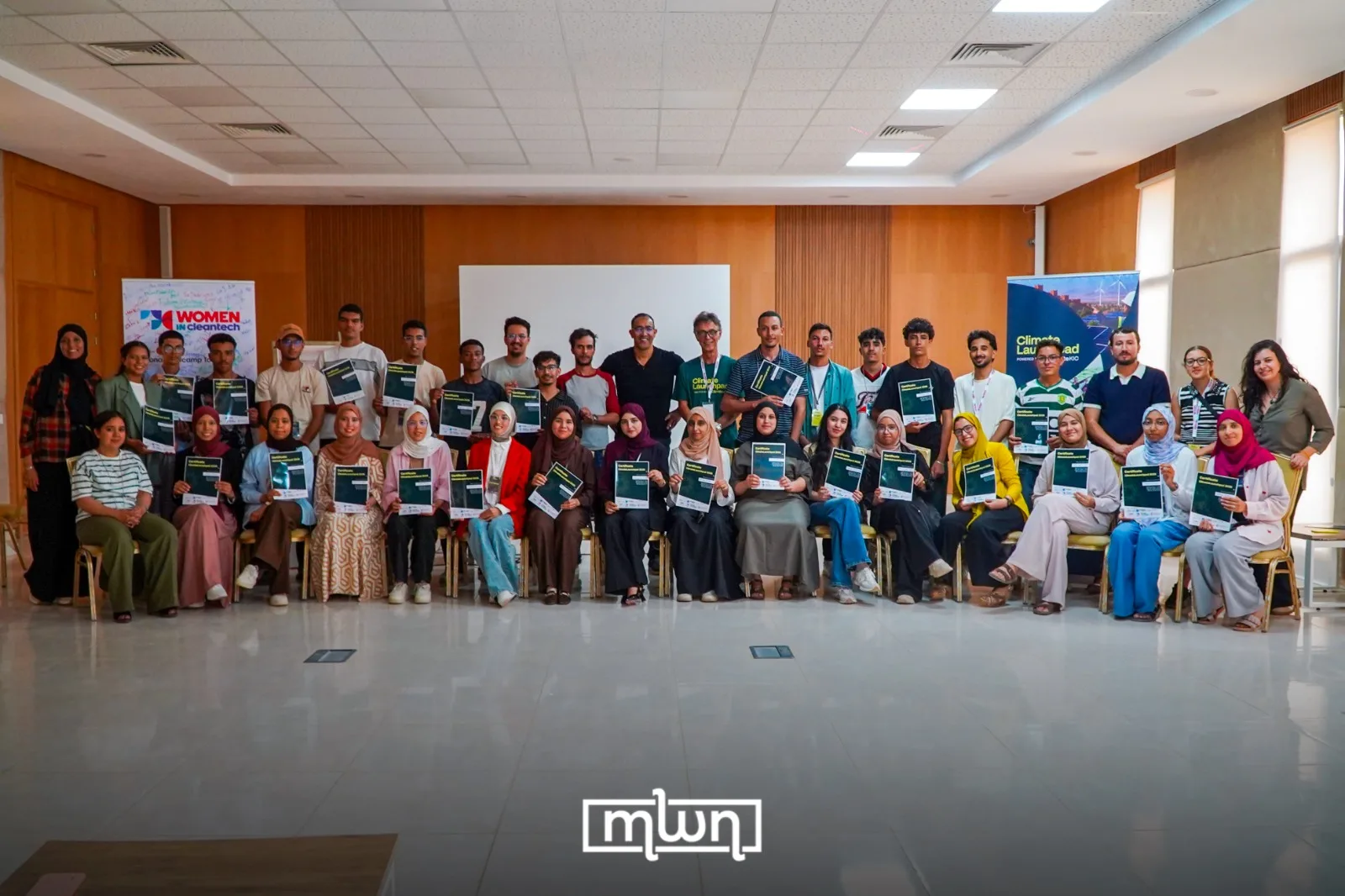
Errachidia — ClimateLaunchpad Morocco concluded its two-day Errachidia regional bootcamp on Wednesday, with participants receiving certificates after intensive training in climate impact, customer research, and startup development.
The July 14–15 program took place at the Regional Investment Center (CIR) of Drâa-Tafilalet. Errachidia was the second stop of the national tour following Meknes, with Agadir scheduled to host the final cohort.
Ahmed Larouz, founder of Women in Cleantech and head of ClimateLaunchpad Morocco, oversaw the Errachidia program, coordinating the organizing team, participant support, logistics, and the wider delivery of the two-day bootcamp.
Dutch cleantech expert Ron Bloemers led the technical sessions. Bloemers has worked in the global cleantech sector for more than 20 years and has trained ClimateLaunchpad participants since 2014.
Understanding the global climate narrative
Bloemers began the second day by placing climate entrepreneurship within the wider global debate.
He used Greta Thunberg and Donald Trump as contrasting examples of how climate change is discussed publicly, before moving beyond political personalities to the science and international policy framework.
The session introduced participants to the Paris Agreement, the legally binding climate treaty adopted in 2015, and the Conference of the Parties, the United Nations climate convention’s main decision-making body.
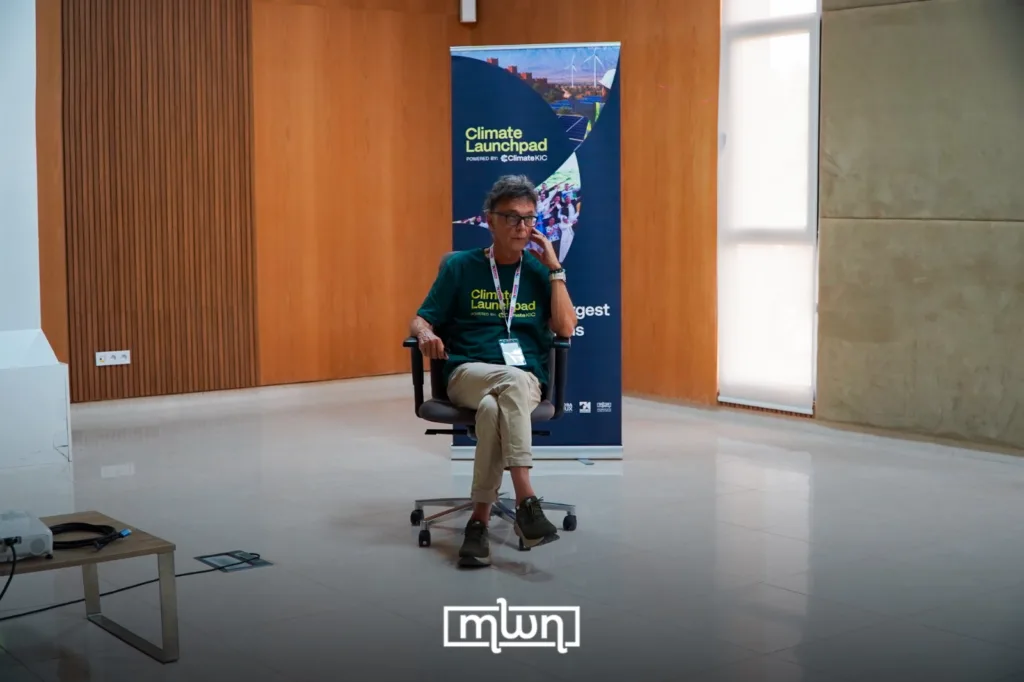
Bloemers explained that entrepreneurs in Errachidia were not simply developing isolated products. Their projects could contribute to wider efforts involving emissions reduction, adaptation, resilience, and the protection of vulnerable communities.
He also recalled the work of American climate scientist James Hansen, whose 1988 testimony before the United States Senate helped bring global warming into mainstream political discussion. Hansen argued that the greenhouse effect was already influencing observed temperatures.
The discussion emphasized the strength of the scientific consensus. A 2021 review of peer-reviewed climate literature found agreement exceeding 99% that modern climate change is mainly caused by human activity.
Making climate impact part of the business
Bloemers urged participants to place measurable climate impact at the center of their value propositions.
A startup, he explained, should clearly show whether its solution reduces emissions, protects water, strengthens food security, limits waste, or helps communities adapt to environmental pressures.
The urgency of a problem can also influence adoption. When a product addresses a threat to livelihoods, health, water access, or agricultural production, potential customers may have a stronger reason to test it quickly.
Participants examined the importance of early adopters, the first customers willing to use an unfamiliar solution and provide practical feedback.
Bloemers also introduced ideas from Rob Fitzpatrick’s “The Mom Test”, a customer-discovery approach that encourages founders to ask about real behavior and existing problems rather than seeking compliments about their ideas.
The lesson encouraged founders to avoid questions such as whether someone “likes” a project. Instead, they should investigate how potential customers currently solve the problem, what the problem costs them, and whether they have previously paid for an alternative.
Building opportunity in Drâa-Tafilalet
Youness Ait Ben Yssa, a software engineer and Drâa-Tafilalet team lead for Women in Cleantech and ClimateLaunchpad Morocco, said the regional team had spent six months creating opportunities across Errachidia and Ouarzazate.
“Our region has the talent and the full potential to create impact,” Ait Ben Yssa told Morocco World News (MWN). “What we were missing was access to opportunities, mentorship, and the right ecosystem.”
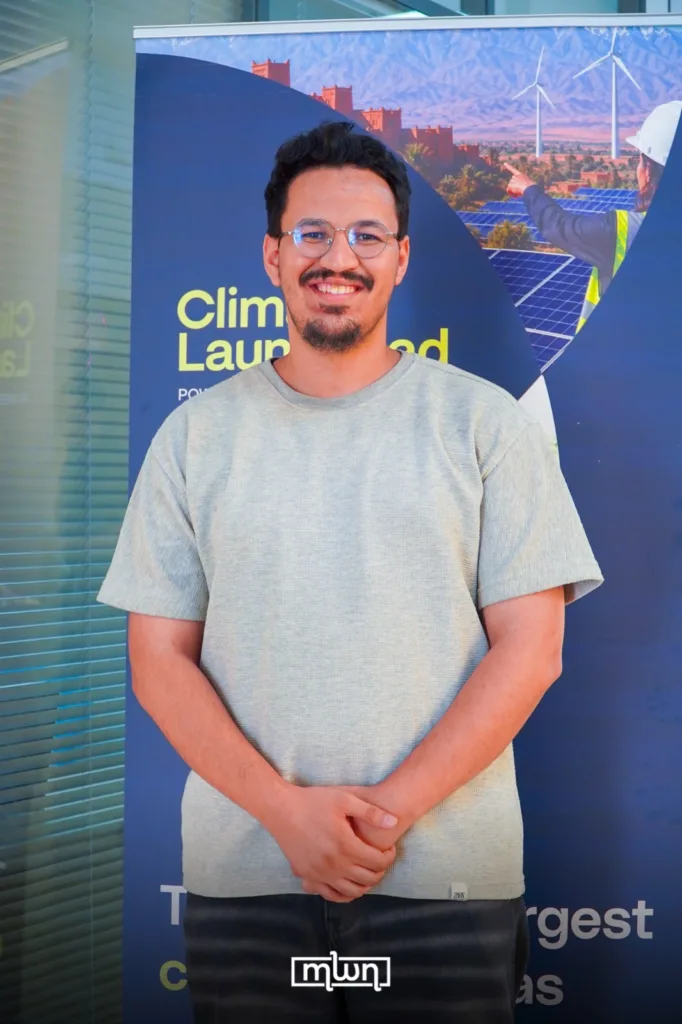
He said the team organized activities to introduce young innovators to climate entrepreneurship and help them discover programs capable of supporting their ideas.
“In a region that experiences climate change firsthand, empowering local innovators to develop local solutions is the best investment we can make,” he added.
His closing message focused on the region’s potential: “Give Drâa-Tafilalet a chance and an opportunity, and surely it will shine.”
Green Pulse travels from Laayoune
Ibtissam, founder of Green Pulse and a master’s student in Sustainable Heritage and Energy Efficiency, traveled approximately 25 hours from Laayoune to attend the Errachidia bootcamp.
Green Pulse is an artificial intelligence-powered structural health monitoring system designed for buildings and structures using environmentally responsible materials.
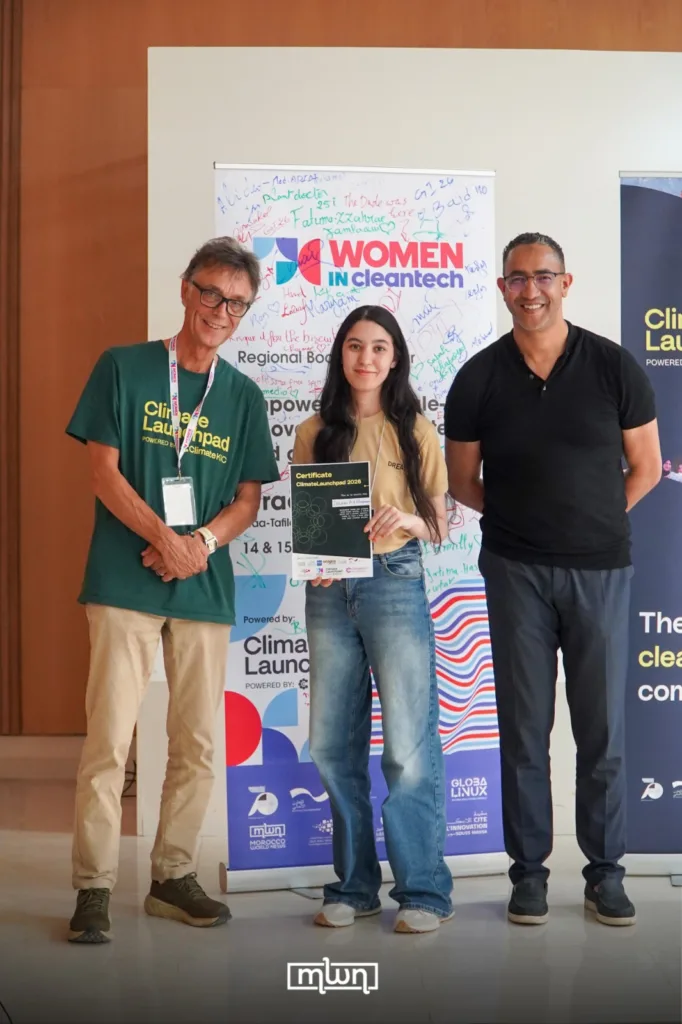
“I came from Laayoune to Errachidia to develop this idea, and the journey was worth it,” she told MWN.
She said she arrived with limited knowledge of marketing and business development but completed the bootcamp able to prepare a business model and present the project more clearly.
Ibtissam praised Bloemers’ training and thanked Larouz and the ClimateLaunchpad Morocco team for their guidance throughout the program.
Her journey reflected the bootcamp’s wider purpose: creating access for entrepreneurs willing to cross significant physical and professional distances to develop their ideas.
Certificates and closing reflections
Bloemers ended the training with personal remarks thanking the ClimateLaunchpad Morocco team for handling the coordination, travel, equipment, participant support, and other work required behind the scenes.
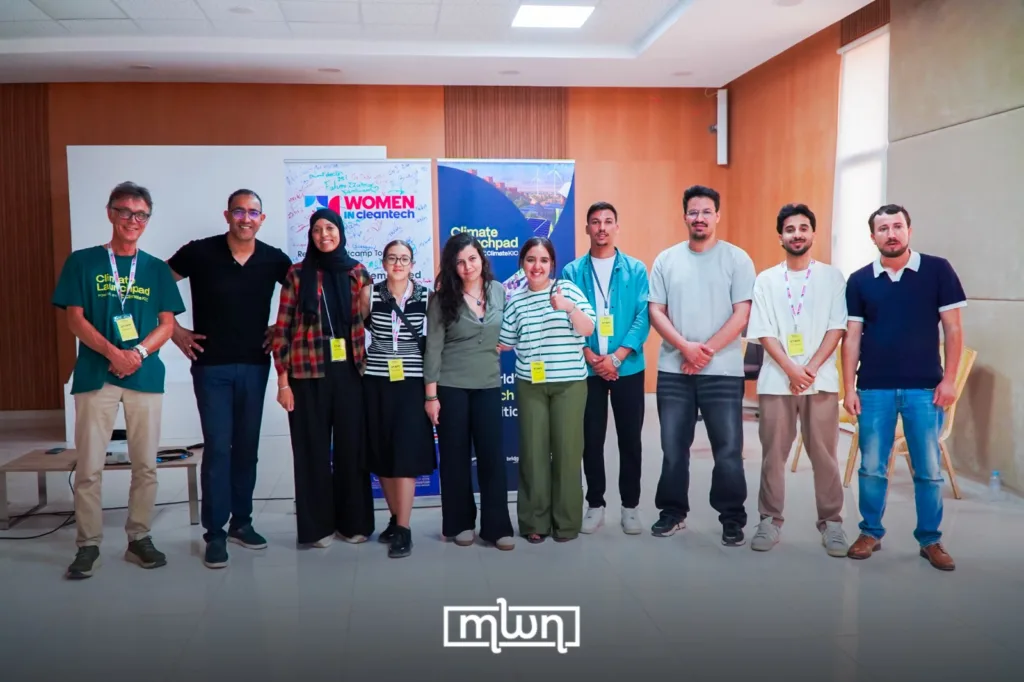
The closing ceremony brought everyone together for the distribution of completion certificates.
The cohort then gathered for photographs to document the experience and share the milestone through professional networks, including LinkedIn.
Before leaving, the team thanked the CIR of Drâa-Tafilalet for hosting the program, packed the training materials, and restored the space used during the two-day bootcamp.