


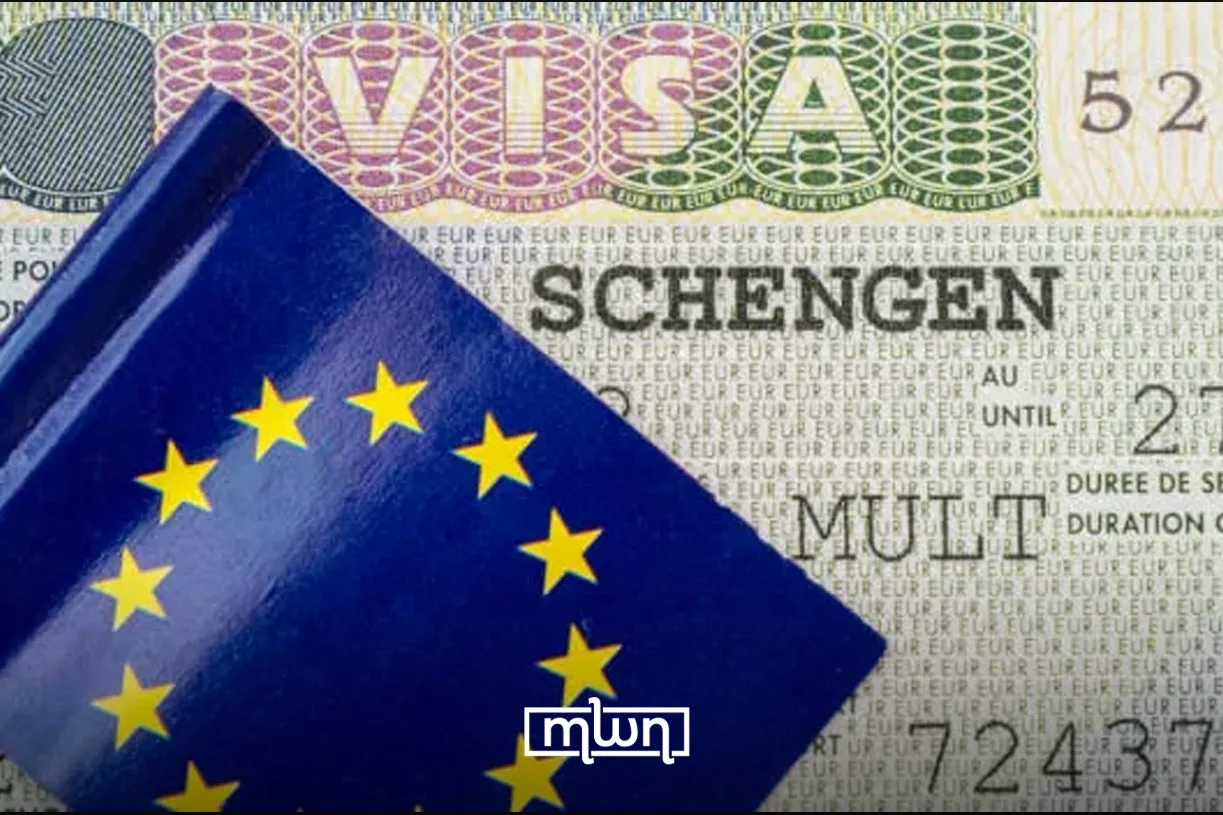
Marrakech – BLS International is reinforcing its visa operations in Morocco through intelligent monitoring, tighter operational controls, and governance aligned with international standards. The provider frames the effort around three goals: “fair access, transparency, and consistency” across every applicant touchpoint.
At the center of the overhaul is the appointment system. BLS International has deployed what it calls a “multilayer appointment-integrity” mechanism to protect bookings and block automated attempts.
It combines human-verification tools – CAPTCHA, one-time-password (OTP) authentication, and presence detection – with anti-automation controls such as booking-anomaly detection, attempt limiting, and response-time analysis. According to the company, these measures secure applicant data and widen equitable access to slots.
The changes respond to a familiar problem. For years, informal intermediaries known locally as “semsara” have preempted appointments through abusive bookings, feeding a parallel market that pushes applicants toward paid go-betweens.
Resold slots have reached as much as MAD 10,000 ($1,000), a sum that far exceeds the visa fee in most European countries, and applicants recover neither the visa fee nor the service charges when an application is refused.
To counter it, BLS International points to “real-time monitoring” of slot allocation, designed to deliver “smoother, more reliable and more equitable” experiences under public-authority oversight.
Beyond the booking stage, the operator has strengthened continuous supervision and structured quality reviews. The stated aim is to preserve “operational continuity, responsiveness, and a consistent applicant experience,” including during peak demand.
These operations rest on several international benchmarks. BLS International cites the ISAE 3402 Type II audit alongside ISO 9001:2015 for quality management, ISO/IEC 27001:2022 for information security, and ISO 22301:2019 for business continuity.
The company is also pursuing staff-training and process-review initiatives covering applicant support, communication standards, and service consistency across sites.
Read also: The Tollbooth at Europe’s Gate: How Your Passport Decides Your Worth
The current push builds on earlier moves. In February, BLS International reinforced its cybersecurity and launched a national awareness campaign warning applicants against unauthorized agents and urging exclusive use of official channels. Biometric data received dedicated safeguards, including server-side validation and liveness checks.
According to Amit Ganpuley, the company’s regional director for North Africa, BLS International invests “continuously in advanced security engineering and system resilience,” with technology playing “a central role” in protecting applicants, government processes, and public trust.
The company operates at scale. It works with more than 46 governments across over 70 countries, running a network of more than 50,000 service centers and employing over 60,000 people.
In Morocco, BLS International manages Spain’s Schengen visa applications. The appointment-broker problem, however, extends across the private firms that European states now entrust with visa collection. France’s provider, TLScontact, has faced the same pressures.
A written question filed in the French Senate by Ronan Le Gleut flagged “persistent” difficulties securing France-visa appointments in Morocco, with slots scarce and intermediaries reselling them.
In its February reply, the Foreign Ministry acknowledged that “officines” preempt appointments to create shortages, adding that most operate legally as intermediaries, which complicates enforcement. Countermeasures there have included CAPTCHA, session-expiration delays, prepaid service fees, and the random daily release of only part of the available slots.
TLScontact has also tightened identity checks. Since September 2024, applicants must complete a video-call verification and present their passport to a camera before they can book.
The operator has since moved further, shifting to automatic, random appointment allocation for certain visa categories.
Piloted in Rabat in autumn 2024 and generalized across Morocco during 2025, the system assigns slots to registered applicants rather than opening them for online booking, with confirmation conditioned on payment of the service fees; unpaid slots are reassigned to other applicants.


