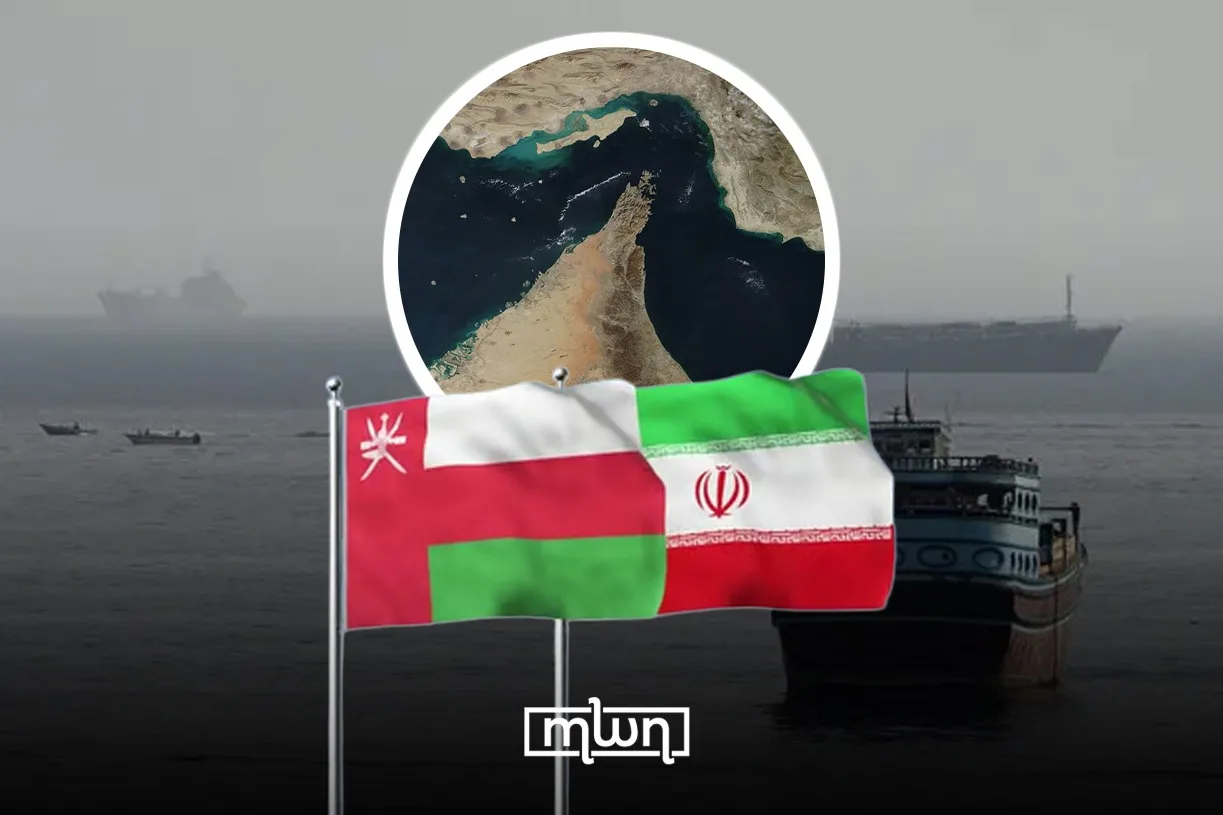
Rabat – Iran says talks with Oman over the future management of the Strait of Hormuz are entering their final stages, marking the clearest signal yet that months of on-and-off negotiations can produce a working framework for the world’s most critical oil chokepoint.
Iran’s Foreign Minister Abbas Araghchi told the country’s cabinet on Sunday that discussions with Muscat were “on the way to being finalized,” according to a report he shared via Telegram through IRNA, Iran’s official news agency.
He offered no timetable for a formal signing, but the language marked a firmer tone than previous updates from Tehran.
The announcement came within hours of a separate but connected development: US President Donald Trump said Washington and Israel had agreed to hold off on new strikes against Iran to give diplomacy a chance, adding that the “parameters” of a deal were already in place.
Foreign Ministry spokesman Esmaeil Baqaei said the talks with Oman are strictly bilateral and “do not concern any other party.” Iran has also said it is not currently negotiating with Washington at all.
“We currently have no negotiations with the United States; the negotiations are with Oman,” Baqaei told reporters, adding that any deal with Oman would not automatically mean the strait reopens.
At the same time, he stressed that talks with Muscat are focused on establishing a single shipping corridor through the strait, replacing the divided northern and southern routes currently in use.
Baqaei said Iran seeks a mechanism to ensure the strait “cannot be misused by parties that have committed aggression against Iran,” describing this as a matter of full respect for the country’s sovereign rights.
He added that during the first three weeks of the US-Iran memorandum of understanding signed on June 17, the northern route through the strait remained fully secure, before renewed fighting disrupted those shipping arrangements.
Oman anchors Hormuz talks in law
Oman has taken a more cautious public stance. Foreign Minister Sayyid Badr Bin Hamad Al Busaidi said that any bilateral understanding with Iran must fall within international law and the UN Convention on the Law of the Sea, adding that Oman is “not in favor of imposing transit fees,” which he described as prohibited under international law.
That position dates back to a 1974 bilateral maritime boundary treaty between the two countries, which grants Oman jurisdiction over the strait’s inbound shipping lane, a legal basis no other Gulf state shares with Tehran.
The current round of talks follows Oman’s late July proposal for a joint regional mechanism modeled on the Strait of Malacca, where vessels using the waterway voluntarily contribute to fund navigation, environmental protection, and search-and-rescue services.
The plan had won backing from other Gulf states and was designed to prevent Iran from exercising sole control over the waterway. Iran had reportedly rejected an equal division of the strait, insisting that shipping traffic pass through its waters in at least one direction.
Speaking days earlier, Al Busaidi framed Oman’s involvement as a matter of geography and responsibility rather than choice, saying that as one of the only two states whose territorial waters border the strait, Oman “has a special responsibility to work with both Iran … and the wider international community of Strait users.”
No signed agreement had been confirmed by either government, and both Araghchi and Al Busaidi have avoided giving a date. Technical and political consultations between the two foreign ministries are ongoing, Iranian officials say, even as the surrounding US-Iran-Israel track remains fragile after months of intermittent strikes.