
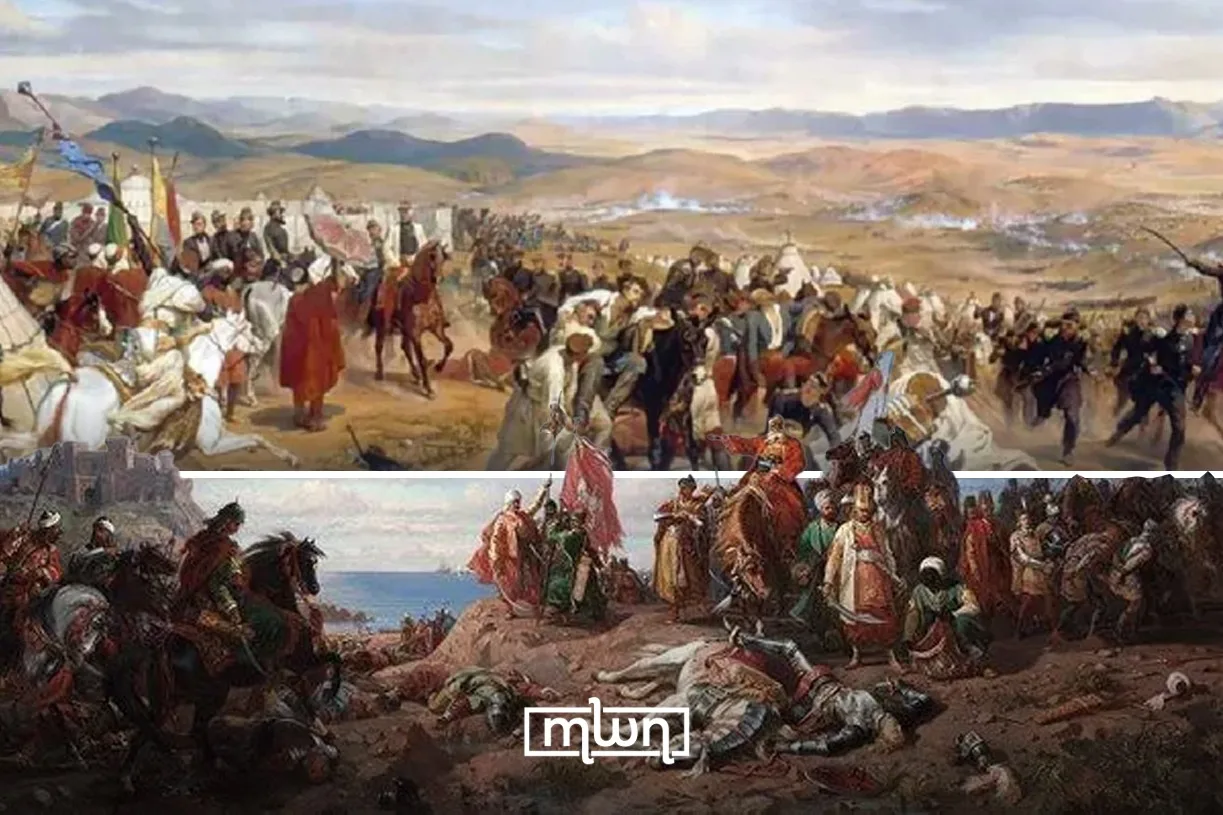
Rabat – Morocco marks today the 448th anniversary of the historic Battle of Wadi al-Makhazin, a major military victory that remains a symbol of national unity, resistance, and the defense of the country’s sovereignty.
To commemorate the occasion, the High Commission for Former Resistance Fighters and Members of the Liberation Army organized celebratory events at the historic site of the battle in the commune of Souaken, in Larache province.
Commemorating the Battle of Wadi al-Makhazin is not only about remembering a historic military victory, but also about preserving national unity and continuing efforts to defend Morocco’s sovereignty and territorial integrity, the commission said.
In a speech marking the 448th anniversary of the battle, the commission described the occasion as a reminder of the strong ties between the Moroccan state and society throughout the country’s history.
The commission stressed that Moroccans have remained united around their national institutions and shared values during major historical challenges, from the Battle of Wadi al-Makhazin to the resistance movement, the struggle for independence, and efforts to complete the country’s territorial integrity.
It also called for continued national mobilization, vigilance, and serious work to protect Morocco’s sovereignty and national unity.
The speech referenced Morocco’s recent diplomatic achievements regarding the Western Sahara issue, commending the country’s efforts to strengthen international support for its autonomy initiative.
The Battle of the Three Kings
The Battle of Wadi al-Makhazin, also known as the Battle of the Three Kings, took place on August 4, 1578, near the northern Moroccan city of Ksar El Kebir.
It came amid growing European ambitions to expand into North Africa. Portuguese King Sebastian I landed in Tangier with an army and allied himself with the deposed Moroccan Sultan Mohammed al-Mutawakkil in an attempt to restore him to power.
At the time, Morocco was ruled by the Saadi dynasty, which had successfully defended the country against European expansion and maintained diplomatic relations with major regional powers.
The Portuguese forces faced the Moroccan army led by Saadi Sultan Abd al-Malik, who was seriously ill but remained committed to leading the defense of the country. The two armies met near Ksar El Kebir, where Moroccan forces used a carefully planned military strategy and the area’s rivers and landscape to surround the Portuguese troops and limit their ability to retreat.
The battle ended in a major Moroccan victory and a devastating defeat for Portugal. King Sebastian and Mohammed al-Mutawakkil died during the fighting. Sultan Abd al-Malik also died after suffering from a serious illness, although his death was reportedly kept secret until the battle had been won to maintain the army’s unity and morale.
Read also: Why the Battle of the Three Kings Lives On In Moroccan Memory
The deaths of the three leaders gave the battle its well-known name, the Battle of the Three Kings.
Following the victory, Abd al-Malik’s brother, Ahmad al-Mansur, became sultan. Under his rule, Morocco strengthened its political and diplomatic influence and expanded its presence in parts of West Africa.
The defeat also had major consequences for Portugal. King Sebastian died without an heir, contributing to a political succession crisis that eventually led to Portugal’s union with the Spanish Crown.
More than four centuries later, the Battle of Wadi al-Makhazin remains a major part of Morocco’s national memory and a symbol of unity, resistance, and the defense of the country’s sovereignty. The battle has also inspired historical works, including the 1990 Moroccan film The Battle of the Three Kings by director Souheil Ben-Barka and the 1591 play The Battle of Alcazar by English playwright George Peele.