
Conservation has long been a global endeavor, but its success hinges on small, meaningful actions within communities. These efforts are not always grand but are often rooted in cultural traditions that have been passed down through generations. A prime example is Rwanda’s Kwita Izina, a gorilla naming ceremony that effectively demonstrates how local customs can evolve into significant conservation practices.
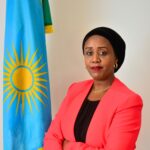
As the Rwandan Ambassador to Morocco, I have come to learn about Morocco’s rich biodiversity with over 24,000 animal species and 7,000 plant species and the kingdom’s efforts, in line with the vision of HM King Mohammed VI, to protect the environment, including the endangered species is of inspiration to Rwanda.
From the Atlas Mountains to coastal areas, Morocco’s commitment to conserving its biodiversity underlines the importance of local species and their habitats. Both Rwanda and Morocco leverage ecotourism to promote conservation while generating revenue. Sustainable tourism practices in Morocco resonate deeply with Rwanda’s own experiences and aspirations and can serve as a model for Rwanda’s tourism sector. Morocco and Rwanda share in common rich cultural heritage intertwined with natural landscapes where conservation efforts focus on preserving both the environment and traditional practices that sustain local cultures, underscoring our mutual commitment to preserving our natural heritage.

In the aftermath of the 1994 Genocide against the Tutsi, Rwanda faced monumental challenges. The tragedy impacted not only the people of Rwanda but also its natural habitats and wildlife. Among the severely affected species were the country’s mountain gorillas, then teetering on the brink of extinction. As Rwanda embarked on a path to rebuild its nation, its government, formed in the wake of unimaginable human loss, recognized the critical need to include the protection of its natural heritage in its recovery efforts.
This led to the inception of ‘Kwita Izina’ (loosely translated as “naming”) in 2005. Inspired by a centuries-old tradition where Rwandan families gathered to name newborn children eight days post-birth, Rwanda decided to extend the ceremony to its beloved residents – the mountain gorillas – to promote their conservation and protection. This event was not just a naming ceremony but a societal celebration to integrate the child into the community.
When the Rwandan government began officially naming mountain gorillas, it formally declared the value of each gorilla to the Rwandan nation, and the importance of protecting both the gorillas and their habitat. Now, Kwita Izina has evolved into a global event that draws conservationists, celebrities, and policymakers from around the world to celebrate Rwanda’s dedication to preserving its biodiversity.

This year marks the 21st Kwita Izina Gorilla Naming Ceremony and will take place on Friday, 4 September 2026, at the foothills of Volcanoes National Park in Kinigi, Musanze District. under the theme “Conservation is Life: Sustaining the Future”, the ceremony will celebrate Rwanda’s conservation achievements while highlighting the importance of sustaining biodiversity, ecosystems and community livelihoods for future generations.
The ceremony also highlights the role of local communities, conservationists and park rangers who are at the forefront of the conservation battle. These individuals put their lives on the line to protect Rwanda’s mountain gorillas, and Kwita Izina celebrates their vital work. Kwita Izina is an opportunity to educate the public and generate support for the resources these guardians need to continue their work effectively. Conservation researchers provide essential data to guide policy to protect wildlife, park rangers ensure the safety of both the gorillas and visiting tourists, and local communities have a key role in preserving the biodiversity that characterizes their homeland. Many of these efforts are powered by global investors and donors, and Kwita Izina also celebrates their commitment to conservation.
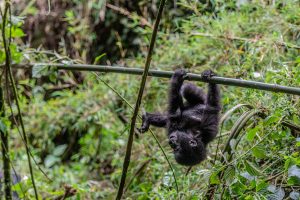
Kwita Izina has had a transformative impact on gorilla conservation. The mountain gorilla population, marked as an endangered species in the 1980s with fewer than 250 individuals, has experienced a remarkable resurgence. By 2010, the population grew to 480, reached 604 by 2016, and now is close to 1,100, thanks to dedicated conservation efforts. This significant recovery has led to the mountain gorilla being removed from the critically endangered species list.
This year’s Gorilla Naming Ceremony will see 22 baby mountain gorillas receive names from distinguished Namers representing conservation, business, sports, entertainment, philanthropy and public service from Rwanda and around the world.
Kwita Izina, the country’s flagship conservation event, reaffirms Rwanda’s commitment to protecting mountain gorillas while demonstrating how conservation continues to drive tourism growth, create economic opportunities and improve livelihoods for communities living around the country’s national parks.
Rwanda’s tourism sector continued its sustained growth in 2025, generating a record USD 685 million in tourism revenues, up from USD 647 million in 2024, supported by 1.49 million visitor arrivals, representing a 9 per cent year-on-year increase.
The country’s tourism sector has also become increasingly diversified. Rwanda’s Meetings, Incentives, Conferences and Events (MICE) sector generated USD 94.7 million in revenues in 2025, an increase of 11.8 per cent, while hosting 165 international and regional meetings and events that attracted more than 61,000 delegates.
Rwanda has ambitious plans to double down on the country’s commitment to conservation. The government has embarked on an exciting project to restore and expand Volcanoes National Park, which will continue to protect the gorillas living there while providing more space for other species to thrive. The project’s success hinges on global participation, and Rwanda is seeking support from around the world to make this project a reality.
As we celebrate more than two decades of successful conservation through Kwita Izina, our call to action is clear: the global community must support African wildlife conservation. Rwanda has demonstrated through this humble, yet powerful ceremony, that our wildlife is our family. By supporting such initiatives, we contribute to a global movement that values biodiversity as a cornerstone of our environmental, social, and economic well-being.
We invite the world to draw inspiration from Kwita Izina. To adopt and adapt Rwanda’s blueprint for local contexts. Whether through supporting global conservation efforts, engaging in community-based activities, or simply educating others about the importance of biodiversity, each of us has a role to play. The future of our planet depends on these collective actions. Let’s embrace the spirit of Kwita Izina and commit to a world where both nature and humanity can prosper together.