

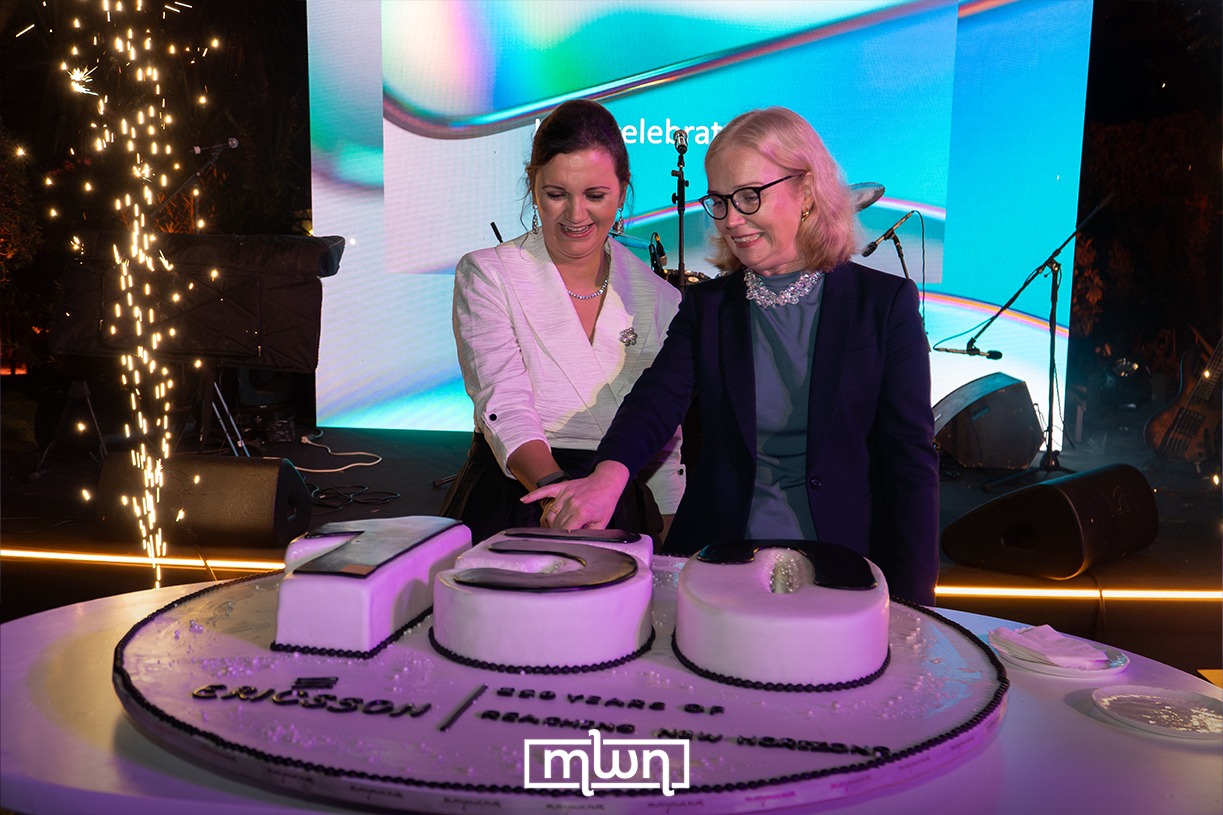
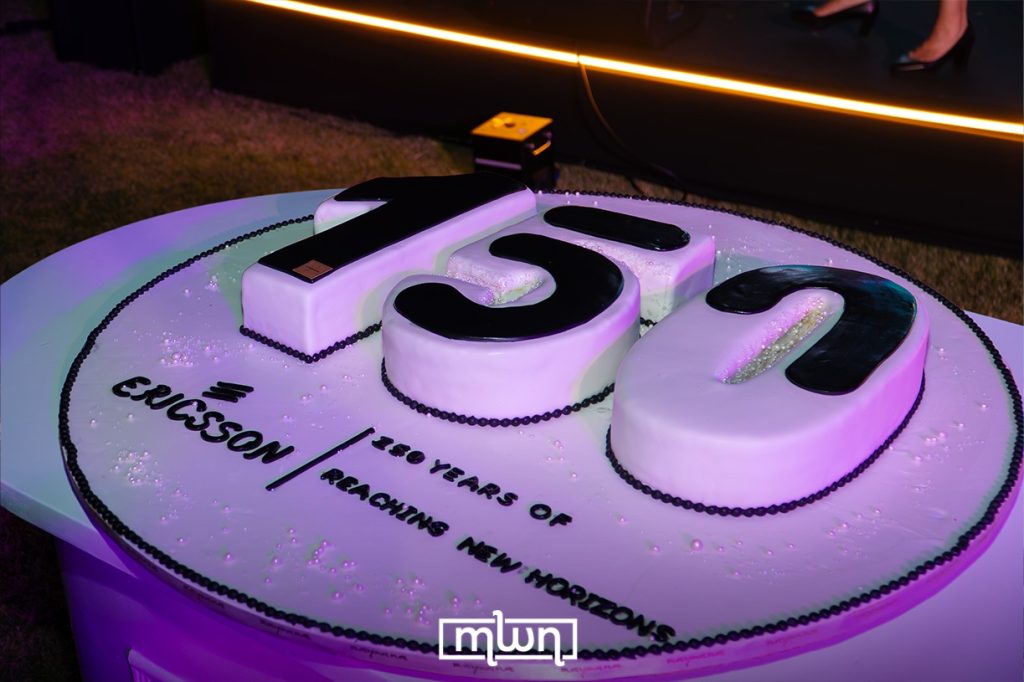
Rabat — Ericsson marked its 150th anniversary at the Swedish residence in Rabat on October 6, bringing together partners, customers, and Nordic diplomatic representatives for an evening centered on innovation, trust, and the company’s decades-long presence in Morocco.
The milestone dates back to April 1, 1876, when Lars Magnus Ericsson opened a small mechanical workshop in central Stockholm. Ericsson traces its beginnings to that 13-square-meter operation, where telephone and telegraph equipment was initially repaired before the company began producing its own devices.
A century and a half later, the company’s focus has shifted from early telephones and switchboards to mobile communications, 5G, cloud infrastructure, artificial intelligence, and research into future networks. Ericsson currently holds more than 60,000 granted patents worldwide.
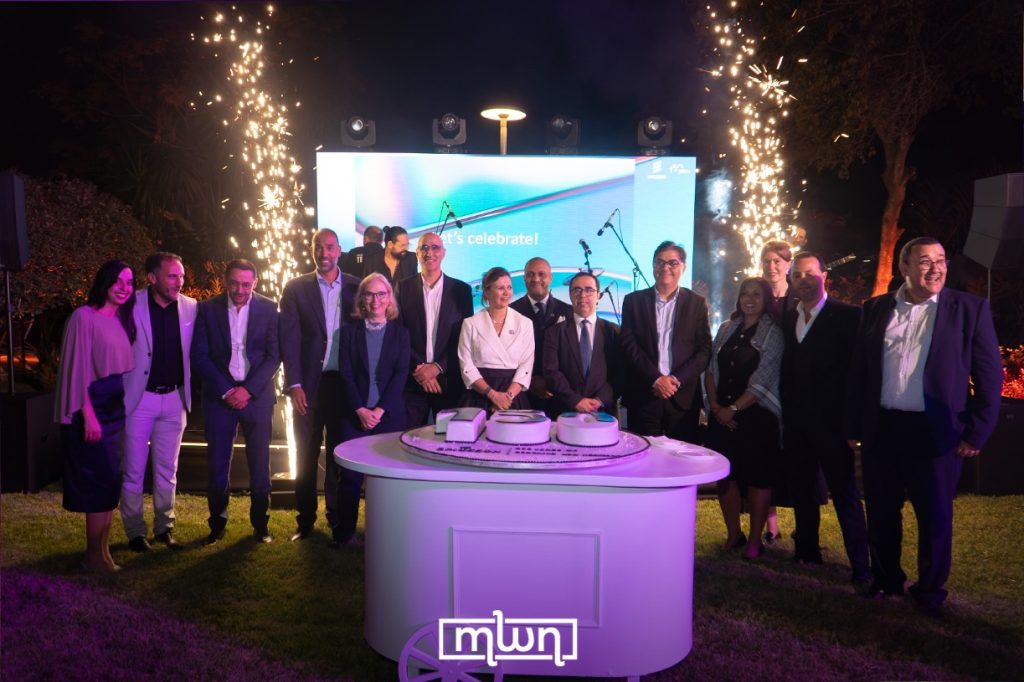
For the company’s leadership in Morocco, however, the Rabat celebration was about celebrating both the company’s legacy and vision for the future.
Trust at the center of Swedish-Moroccan cooperation
Sweden’s Ambassador to Morocco, Fredrika Ornbrant, also placed the anniversary within the broader history of Swedish innovation.
“We’re here tonight to celebrate Ericsson’s 150 years of innovation and entrepreneurship,” Ornbrant told MWN.
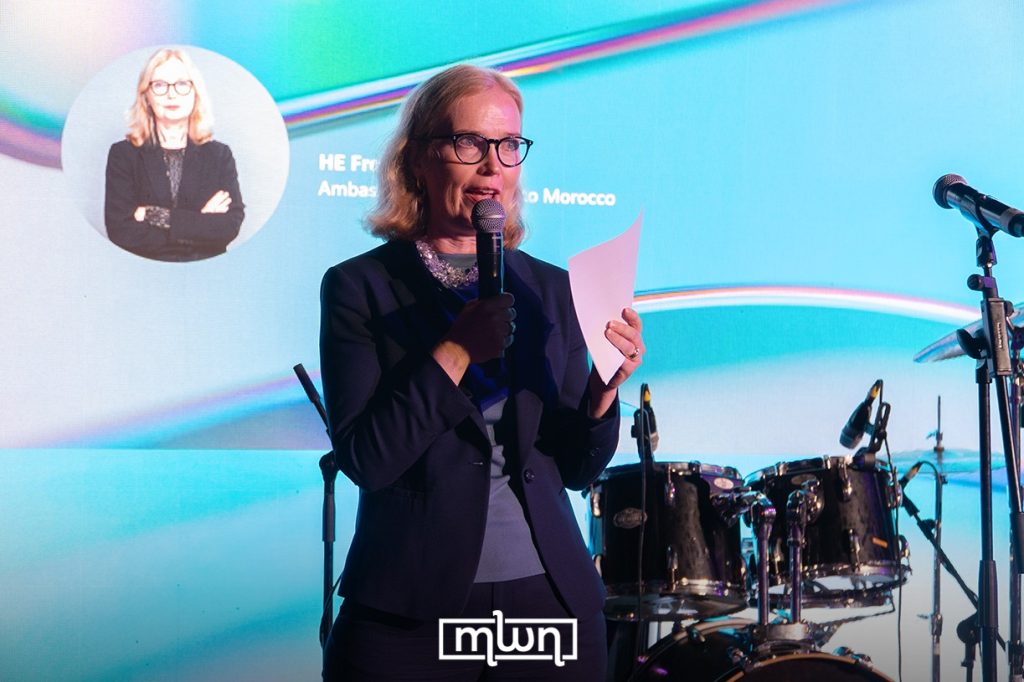
“Innovation doesn’t happen in isolation. It’s based on cooperation, trusted partnerships, and exchange of ideas across borders.”
Ornbrant, who has headed Sweden’s embassy in Rabat since August 2025, leads Sweden’s diplomatic mission in Morocco at a time when technology and business cooperation form part of wider bilateral ties.
She pointed to Ericsson’s 42-year presence in Morocco as an example of the importance of long-term relationships.
“Trusted partnership is key,” she said. “Ericsson has been in Morocco for 42 years. And that is a sign of long-term engagement, which is critical for the company’s success.”
Ornbrant added that the future will inevitably bring uncertainties, making reliable international partnerships increasingly important in shaping technological and social change.
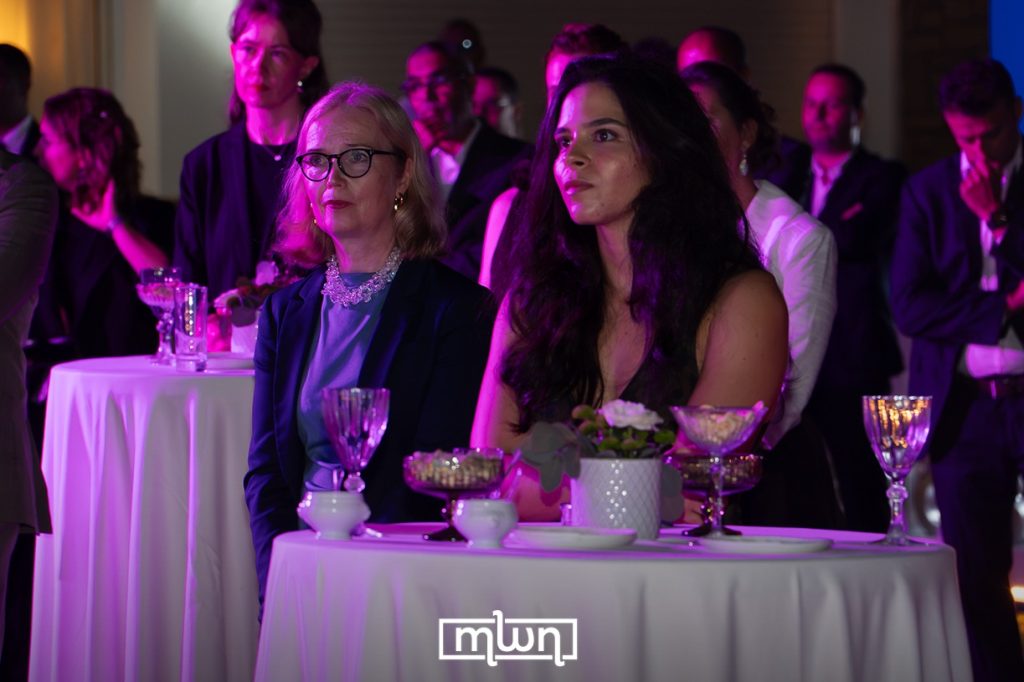
The ambassador also linked Ericsson’s story to Sweden’s wider identity as an innovation-driven economy, noting the role of patents, research, and technological development in that trajectory.
‘Celebrating the past, but also looking forward’
Majda Lahlou Kassi, President of Ericsson Morocco and Vice President and Head of Ericsson West and Southern Africa, described the evening as a recognition of both the people behind the company’s history and the partnerships that have sustained its presence in the Kingdom.
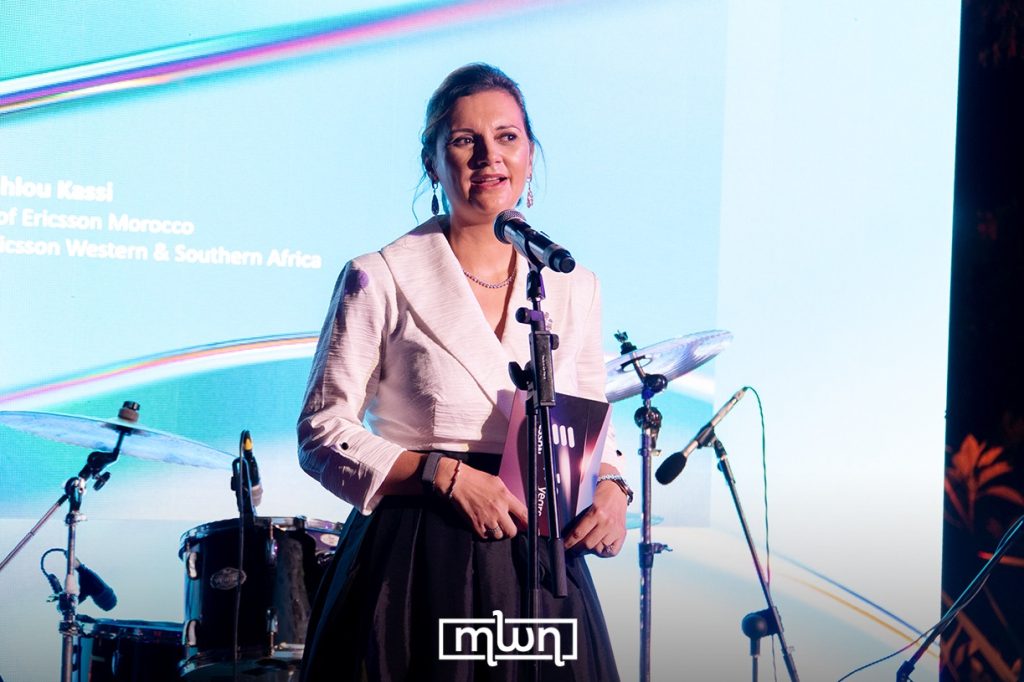
“We’ve been in Morocco for over four decades,” Kassi told Morocco World News (MWN). “We are very proud to contribute to the digital economy and to continue to bring new technologies like 5G, AI, and cloud to the service of the people, the communities, and the businesses.”
Kassi said Ericsson has participated in successive generations of telecommunications networks during its time in Morocco.
“Tonight is celebrating the past, but it’s also looking forward and building the future,” she added.
Her current role covers West and Southern Africa, where Ericsson’s work increasingly centers on expanding advanced connectivity and preparing networks for growing demand.
Four decades of connectivity in Morocco
Ericsson’s presence in Morocco dates back to 1984, when telecommunications in the Kingdom still relied largely on fixed networks. The company contributed to the development of that infrastructure, first through mechanical switches and later through their evolution toward digital exchanges.
By the end of the 1990s, Ericsson had expanded its activities to intelligent network services before accompanying successive generations of mobile networks.
The latest major shift came with the launch of 5G. In November 2025, inwi, Orange Maroc and Maroc Telecom launched their 5G services simultaneously, with Ericsson accompanying operators in that stage.
The company now works with the three operators as well as public institutions, educational establishments and other actors in the technology ecosystem, and has offices in Rabat and Casablanca.
Ericsson’s activities in Morocco now extend beyond 4G and 5G networks to new uses for businesses and industry, automation, infrastructure resilience and digital skills.
The company has also been working with the Ministry of Economic Inclusion, Small Enterprise, Employment and Skills on digital inclusion, support for small businesses and skills adapted to new digital uses.
In April 2026, Orange Maroc and Ericsson announced a partnership focused on private 5G adoption by Moroccan companies. An Ericsson Private 5G platform was integrated into Orange Maroc’s 5G Lab to develop and validate use cases, including automation, the Internet of Things (IoT), and operational digitalization.
Ericsson also participated in GITEX Africa 2026 as the official digital infrastructure partner, while the modernization of Orange Maroc’s network announced in 2025 is another recent reference for the company’s work in Morocco.
The company says its next steps in Morocco will include supporting operators as 4G, 5G and future networks evolve, alongside private 5G, IoT, automation, industrial connectivity and AI-assisted network operations.
It also plans to continue working with institutions, education, industry and telecom stakeholders while developing digital skills, with security, resilience, sustainability and trust remaining part of that approach.
At the anniversary event, Lahlou Kassi thanked Ericsson’s partners, customers and the ambassadors of Nordic countries who attended, and said the company was looking forward to continuing the partnership for many years to come.