
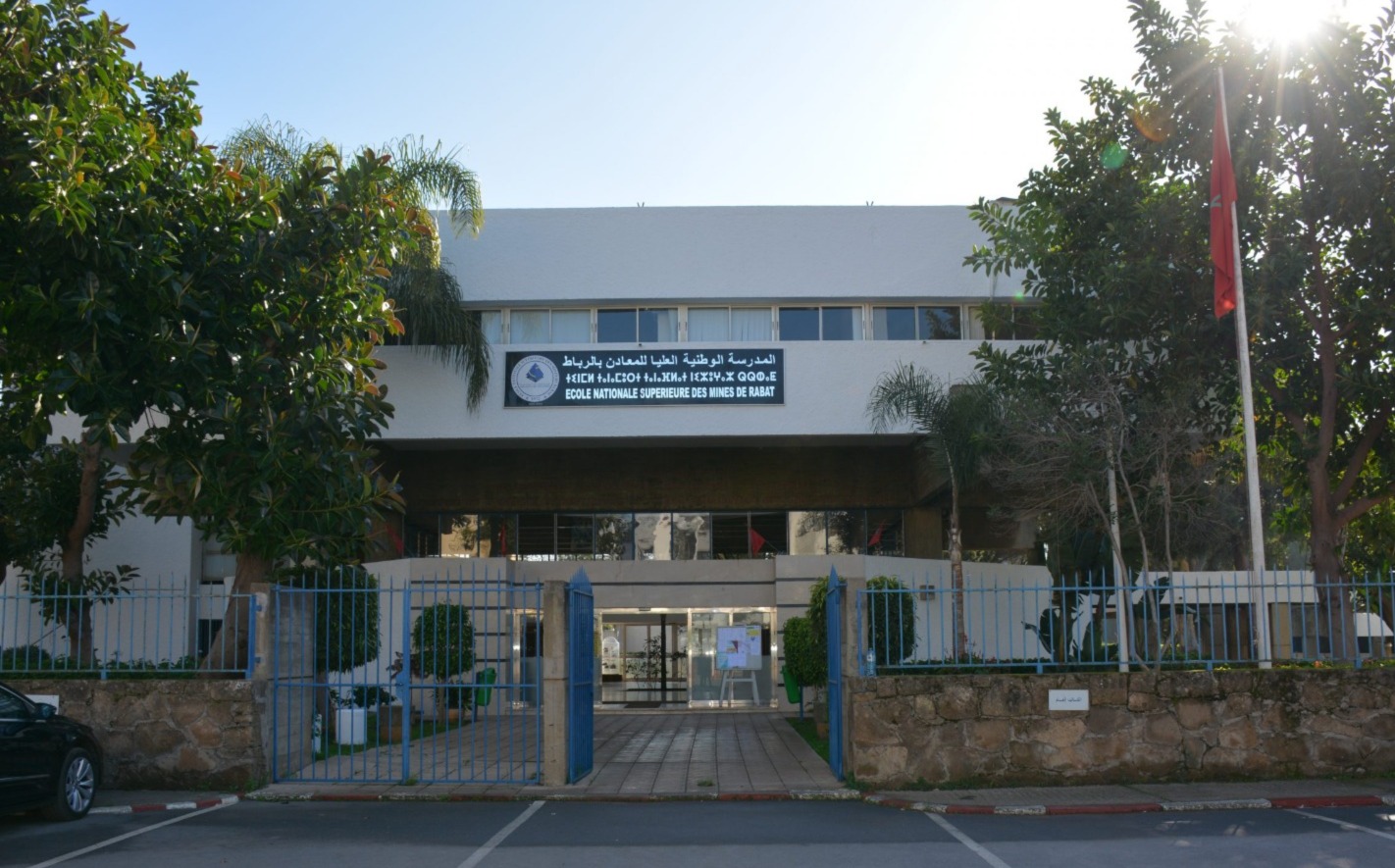
Tan-Tan – A group of first-year students at the National School of Mines of Rabat, known as Mines Rabat or ENSMR, have reportedly complained about hazing practices they say have gone beyond student integration activities and begun to affect their dignity, rest, and safety.
Several Moroccan media outlets reported that in a complaint addressed to the school administration and the authority overseeing the institution, the students described a series of practices allegedly carried out by older students during the first weeks of the academic year.
According to the complaint, the activities can continue for around 15 days and involve both group and individual practices. Students alleged that some first-year students are repeatedly deprived of sleep and rest, while others are pressured to remove their clothes or remain in sleepwear.
The complaint also alleges that students are forced to use offensive language and perform humiliating positions, including what the students called the “Position Minotte,” in which participants place their faces on tables, lower their heads, and put their hands behind their backs.
Other alleged practices include eating with their hands while sitting on the floor, performing movements described as the “duck walk” and “caterpillar,” and collectively shaving the heads of male students.
The students further claimed that refusing to participate can lead to social pressure or exclusion from some extracurricular activities and group settings. They alleged that some of the activities are organized with the involvement of members of the school’s student association and take place in areas where school employees and security personnel can see them, added the reports.
The complaint also mentions an alleged incident in which a copy of the school’s internal regulations was burned in front of first-year students. Yet that claim, like the other allegations in the complaint, has not been independently established.
What is hazing?
The French term “bizutage” generally refers to initiation practices imposed on newcomers by older students. Such activities can be presented as a way of welcoming new students, creating bonds between different classes, and helping newcomers integrate into the school community.
The problem begins when initiation turns into coercive, humiliating, or degrading practices and attitudes.
France’s public administration, for example, defines hazing as forcing someone, whether they agree or not, to undergo or perform humiliating or degrading acts in an educational or socio-educational setting. French higher education authorities have similarly warned that integration events can become hazing when group pressure is used to impose degrading practices.
Students who filed the complaint said they are not objecting simply to the existence of activities intended to bring new and older students together. Their argument is that certain practices have crossed the line between integration and humiliation.
Debate returns
The controversy also has a history at the school. Mines Rabat faced another major hazing controversy in 2019 after videos circulated showing a confrontation involving female students.
Some Moroccan outlets initially linked the incident to hazing, while the school administration and student representatives rejected that account, saying the confrontation happened outside the school and was unrelated to the initiation activities.
The latest allegations have produced a divided online reaction. Some commenters have strongly condemned the reported practices and called for their abolition. Others, however, have defended hazing as a long-standing part of student life and argued that the current controversy has exaggerated what happens at Mines Rabat.
Several commenters identifying themselves as ENSM students or graduates wrote that hazing was mainly about “fun and entertainment” and said graduates continued to remember the experience positively. Other commenters described the tradition as a way of building social relationships between students.