
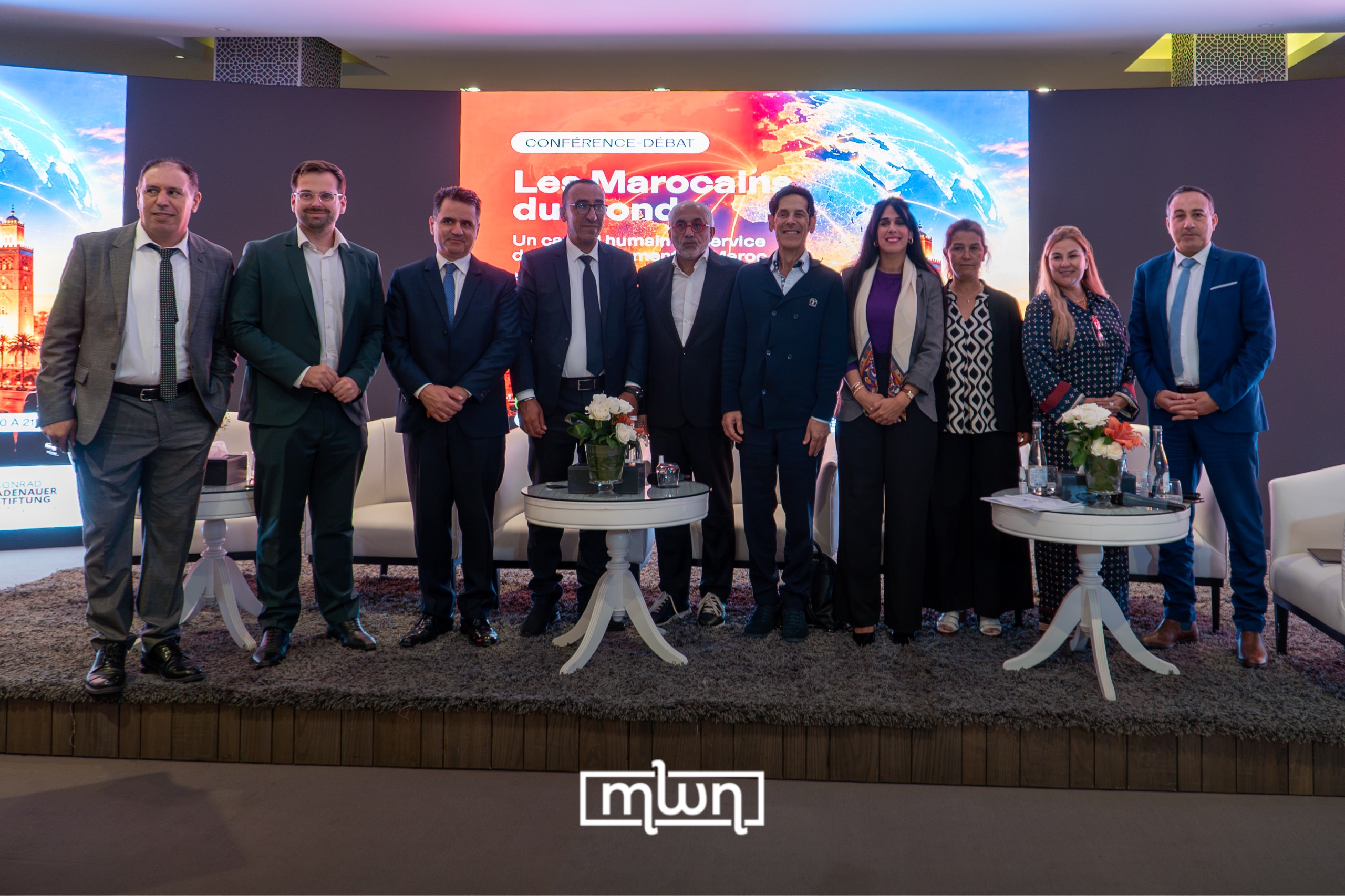
Rabat – HEM International University and the Konrad Adenauer Stiftung (KAS) held a conference-debate in Rabat on Thursday on the role of Moroccans abroad in Morocco’s development.
The event, titled “Moroccans Around the World: Human Capital Serving Morocco’s Development,” took place ahead of the first anniversary of Unity Day on October 31.
In November 2025, King Mohammed VI declared October 31 an annual national holiday, named Unity Day, following the UN Security Council’s adoption of Resolution 2797 on Western Sahara. The Royal Cabinet said the occasion celebrates Morocco’s “national unity and the unshakable territorial integrity of the kingdom,” marking a historic diplomatic turning point.
The program featured a panel with Karim Amor, Jamal Belahrach, Samir Bennis, Mohamed El Karz, and Hafida Moukadiri, moderated by journalist Nisrine Aouzdagh.
Bouchra By, Director General of HEM International University, said Moroccans abroad could contribute through investment, entrepreneurship, technology, innovation, research, and international networks.
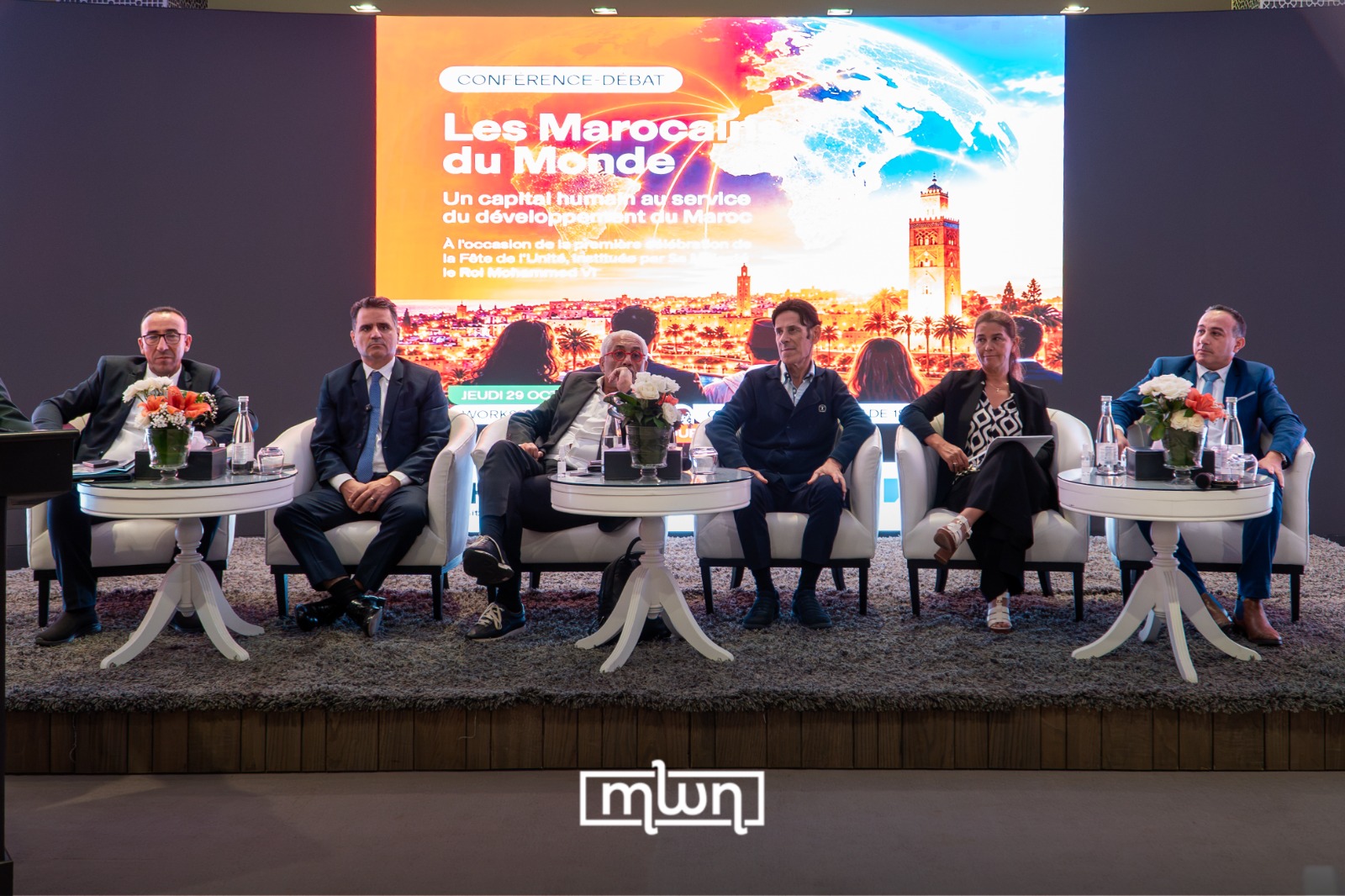
“These are all resources that the diaspora can make available to their country of origin, Morocco,” By said. She added that the subject spoke to her experience as a Moroccan living abroad.
Lahcen Aqartit, HEM’s Director of Public Relations and Partnerships, said Morocco’s political and economic context made diaspora engagement especially important. He urged the country to draw on Moroccans living in Europe, Canada, and the United States.
“The diaspora numbers more than six million,” Aqartit said, adding that such a large community “should not remain outside this dynamic.” He said diaspora members and Moroccans heading companies and national institutions could contribute proposals for the relevant authorities.
Bennis calls for a stronger international narrative
Samir Bennis, Moroccan author and political analyst, said Morocco must do more to shape how international audiences understand the country, particularly on the Sahara dispute.
“The problem Morocco has suffered from since the Green March, now 50 years ago, is that we forgot the importance of being present on the narrative front,” Bennis said. He said Algeria gained the upper hand after recognizing the dispute also played out through competing narratives.
Bennis linked that concern to his decision to launch Morocco World News (MWN) with his brother, Adnane, in New York in 2011. He said his work at the United Nations on the Sahara dispute convinced him Morocco needed an English-language platform to present its perspective abroad.
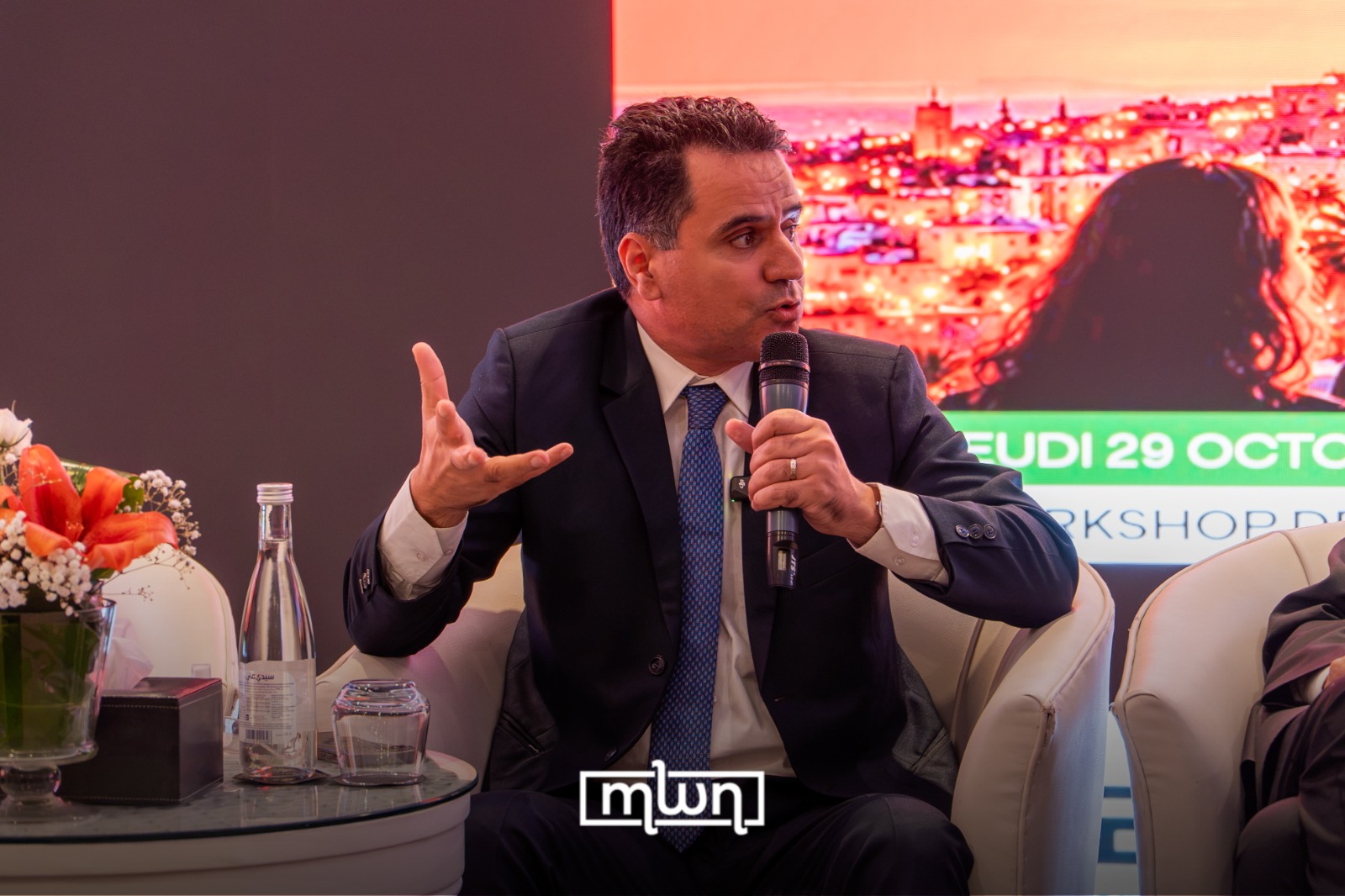
He said Morocco had made progress in raising public awareness, partly through social media, but had yet to adopt policies that connect diaspora professionals with national communication efforts. He pointed to Moroccans working at the United Nations, International Monetary Fund, World Bank, and other institutions who could help explain the country’s positions.
However, he explained those willing to contribute often struggle to obtain information or guidance from Moroccan officials. “We receive no guidance on how to proceed or which narrative we should defend,” Bennis maintained, calling for clear channels between officials and diaspora professionals.
Bennis links communication to 2030 World Cup
Bennis urged officials to engage more actively with diaspora members, particularly in English-speaking countries, and move beyond Morocco’s traditional focus on France and French-speaking audiences.
“Washington remains the world’s political capital, while New York is its diplomatic capital,” he said, arguing that Morocco should work more closely with professionals based in those centers. He added that many Moroccans abroad want to help their country without expecting anything in return.
Drawing on his experience as a senior political adviser at the Qatari Embassy in Washington, Bennis said he witnessed the scrutiny Western media directed at Qatar ahead of the 2022 World Cup. He warned that Morocco could face similar coverage as it prepares to co-host the 2030 tournament.
“The challenge Morocco has faced, and will continue to face over the next three years as the 2030 World Cup approaches, is communication,” he warned. Stadiums and infrastructure alone, in his reading, would not be enough if Morocco failed to shape its image internationally.
Bennis also cited Spanish media coverage during recent tensions around Ceuta, saying outlets published more than 16,000 articles over three months, with, in his estimate, 99% criticizing Morocco. He said the government should give diaspora professionals reliable information and clear points of contact so they can respond to misinformation and explain the country’s positions.
Read also: Spain’s Own Official Records on Ceuta Crisis Undercut Its Case Against Morocco