


Creating impressive visual content is no longer limited to professional designers with years of experience using complicated editing software. Artificial intelligence is opening new creative possibilities, allowing people to turn simple ideas into detailed visuals through written instructions. From product advertisements to social media graphics, AI-powered tools are gradually changing how digital content is planned, created, and refined.
However, generating an attractive image is only part of the challenge. Creators also need flexibility to adjust small details, maintain consistent compositions, and produce designs that suit their intended purpose. This is where newer image generation technology becomes particularly interesting. Seedream 5.5 introduces a range of capabilities designed to make visual creation more controlled, detailed, and adaptable.
Moving beyond basic AI image generation
Traditional AI image generation often begins with a simple process: enter a description, wait for the result, and decide whether it matches the original idea. While this approach is useful, it can become frustrating when the generated image looks appealing but misses an important detail.
Imagine creating a promotional image for a skincare product. The overall composition might be excellent, but the bottle could have the wrong color, the lighting might feel too harsh, or the background might distract from the product.
Instead of abandoning the entire result, creators need the ability to make focused changes. Seedream 5.5 addresses this creative requirement through more precise editing and multiple rounds of refinement. Users can describe individual adjustments while specifying which parts of the original composition should remain unchanged.
This makes the process feel less like repeatedly generating random alternatives and more like developing a visual concept through guided revisions.
Turning written instructions into more detailed visuals
The quality of an AI-generated image depends heavily on how clearly its intended appearance is communicated. A short description might produce an interesting result, but detailed instructions can provide a stronger creative direction.
For example, someone designing a travel advertisement could describe a coastal landscape, golden-hour lighting, a specific camera angle, and open space for promotional text. These details help establish the visual structure before generation begins.
The model is designed to support complex visual compositions, making it relevant for projects that involve more than a single subject against a plain background.
Creators can experiment with different arrangements, visual styles, and design elements without manually constructing every component. This can be particularly useful when developing campaign concepts or preparing several creative variations for different audiences.
Transparent images for flexible design projects
Not every visual needs a complete background. Sometimes, a designer only needs an isolated product, decorative object, character, or sticker that can be placed into another composition.
Transparent assets are especially useful in website graphics, presentations, advertisements, and social media designs. They allow individual elements to be reused across different backgrounds without requiring extensive manual removal.
One notable capability highlighted for Seedream 5.5 is RGBA image generation, which supports fully transparent and semi-transparent regions. This gives creators another way to prepare visual elements for layered projects.
For instance, an online store could benefit from isolated product visuals that fit different promotional layouts. Similarly, a graphic designer could create decorative elements once and experiment with multiple background colors and arrangements.
It is important to check the exported image’s actual transparency before using it in a final design, as a checkerboard appearance alone does not guarantee a transparent background.
Better possibilities for typography and complex layouts
Visual communication frequently involves both imagery and written information. A poster needs a headline, an advertisement may require a promotional message, and an infographic must organize several pieces of information without overwhelming the viewer.
Combining these elements can be challenging because text placement, spacing, and visual balance all influence readability.
Seedream 5.5 explores more structured text-rich designs and complex layouts. This can help creators experiment with posters, promotional graphics, and other compositions where typography plays an important role.
A useful approach is to provide clear instructions about the wording, text hierarchy, placement, and surrounding visual elements. Even with improved text generation, important information should be checked carefully before publication, particularly when accuracy matters.
Creating more natural portraits through lighting
Lighting can completely change the personality of a photograph. Soft lighting may create a calm and welcoming atmosphere, while stronger shadows can make a portrait feel dramatic or cinematic.
For creators working with digital portraits, controlling these visual characteristics is an important part of achieving the desired result.
The model highlights realistic portrait generation alongside intelligent lighting controls. These capabilities provide more opportunities to explore different moods, facial presentations, and photographic styles through descriptive instructions.
For example, a creator developing a fashion campaign might want a softly illuminated portrait with natural-looking details. Another project may require a darker setting with directional lighting to establish a dramatic atmosphere.
Rather than treating lighting as an afterthought, creators can include it as an essential part of their initial visual brief.
How AI image tools can support everyday creative work
The practical value of image generation becomes clearer when considered across different industries and creative activities.
- Digital marketing: Businesses can explore promotional concepts and develop visuals for different campaigns.
- Social media: Content creators can experiment with original graphics, portraits, and eye-catching compositions.
- E-commerce: Online sellers can develop product-focused visuals and isolated assets for promotional materials.
- Graphic design: Designers can test layouts, typography, and visual elements before finalizing a project.
- Personal projects: Individuals can explore artistic concepts without needing advanced technical design experience.
These examples demonstrate how AI can support different stages of the creative process. It can help with initial experimentation, visual development, and revisions, while the creator remains responsible for the final creative decisions.
Connecting visual creativity with audio experiences
Modern digital storytelling rarely depends on visuals alone. Videos, promotional campaigns, and social media projects often become more engaging when images are supported by suitable sound.
Alongside its image-focused development, Dreamina has also integrated Seedaudio 1.5, bringing another AI-powered creative option into the wider multimedia environment. Its audio-focused capabilities complement the growing interest in producing visual and sound elements for digital content.
This connection is particularly relevant for creators who work across multiple formats. A promotional concept, for example, may begin with a visual design and later develop into a short video supported by suitable audio.
Although image and audio creation serve different purposes, having both areas represented in a creative workflow opens additional opportunities for experimentation.
Why human creativity still matters in an AI-driven future
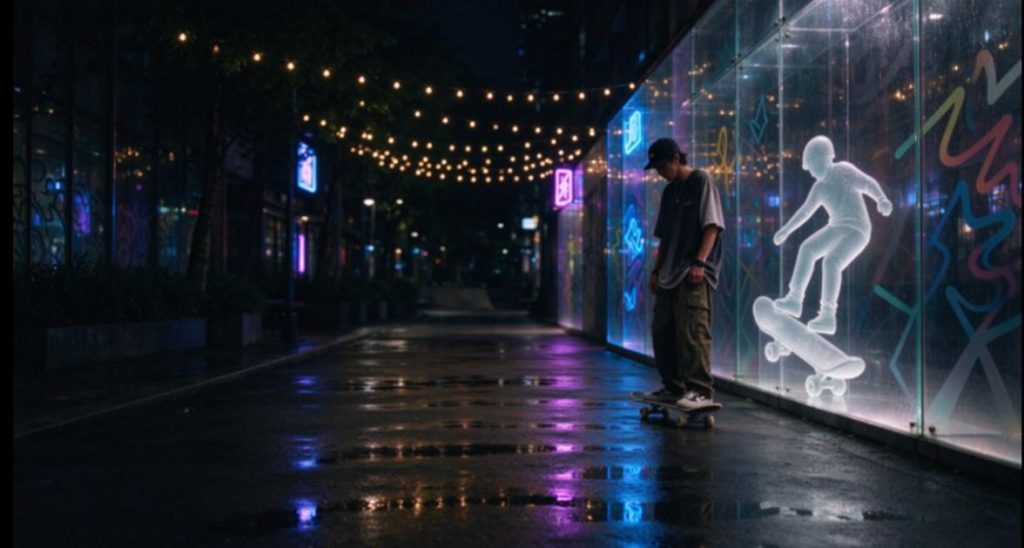
As image generation technology develops, it may become easier to produce visually impressive content with fewer technical steps. However, accessibility does not automatically guarantee originality or quality.
A successful design still needs a clear purpose, an understanding of its audience, and thoughtful creative direction. AI can help generate possibilities, but choosing the right concept and deciding how it communicates a message remain important human responsibilities.
Creators should also review generated images for visual inconsistencies, inaccurate text, and details that may not match their requirements. For professional projects, licensing, privacy, and commercial usage conditions should be considered before publishing any generated material.
Seedream 5.5 represents an interesting direction in this evolving landscape. Its emphasis on precise editing, transparent assets, detailed compositions, and lighting control reflects a shift toward more flexible AI-assisted design.
The future of visual content creation is unlikely to be defined by automation alone. Instead, it will be shaped by how effectively people combine their imagination with technology to produce work that feels purposeful, distinctive, and meaningful.
Frequently asked questions (FAQs)
1. What is Seedream 5.5?
Seedream 5.5 is an AI-powered image generation and editing model designed to help users create and refine visual content. Its highlighted capabilities include transparent image generation, detailed editing, complex layouts, realistic portraits, and lighting controls.
2. Can Seedream 5.5 create images with transparent backgrounds?
Yes. The model supports RGBA generation, including fully transparent and semi-transparent areas. This can be useful for creating stickers, isolated products, and graphic elements for layered designs.
3. How does its multi-round editing capability help creators?
Multi-round editing allows users to make specific changes without repeatedly rebuilding an entire image. They can describe the desired adjustment and identify which surrounding elements should remain consistent.
4. Is Seedream 5.5 suitable for marketing content?
Its visual generation and editing capabilities can support marketing projects such as promotional graphics, product visuals, campaign concepts, and social media content. Final images should still be reviewed to ensure they meet brand and communication requirements.
5. Can it help with text-based visual designs?
Yes. Its highlighted capabilities include complex text-rich compositions and structured layouts. Users can provide instructions about wording, placement, and visual hierarchy when developing posters or promotional graphics.
6. What makes lighting controls useful in AI image creation?
Lighting influences the mood, realism, and overall appearance of an image. More controlled lighting options give creators additional flexibility when developing portraits, product visuals, and cinematic compositions.
7. What is Seedaudio 1.5?
Seedaudio 1.5 is an AI audio model integrated into the same creative ecosystem. It extends creative possibilities beyond static images by introducing an additional option for audio-related content creation.
8. Will AI image generation replace professional designers?
AI image generation is more likely to change how designers approach their work than eliminate the need for creative professionals. Design decisions, originality, visual communication, and quality control still require human judgment.


