Join on WhatsApp
 Join on Telegram
Rabat – A theological question which had consequences on the politics and sociocultural possibilities in Muslim countries is whether men can or cannot partake in specificities of God. In other words, would claiming that men share some specificities with God be committing the sin of associationism or not? Surely God sees, hears, knows, says, has hands and feet, can sit, etc. Theologians argue that none of these faculties and attributes is like those men enjoy or can imagine and that these words are used only to make the Divine, that is inaccessible to normal Men, closer to their imagination and their mind. God knows. He refers to himself as the All knower, the One who knows everything. Actually, as everything is His creation, nothing can be unknown to Him.
The Koran exalts and praises knowledge and science (Ailm) as well as their pursuit. They are the way to God, to piety and to the fear of Him. The Koran encourages men and women to explore the universe and to contemplate the greatness of the creator in His creation. Whenever either is mentioned, it is to exalt it and exalt those who engage in it. They are considered the best endowment of God as well as the feature by which He distinguishes the human from the non human, the wise from the non wise, those who can find, accept and follow the right path and those who will go astray and be lost and who will be the recipients of the wrath and punishments of God (Koran, XXXIX, 9). Those who accept to pursue knowledge and indulge in cultivating it are raised in status such as has been the case of Adam who has accepted the teachings of God. He was raised above all other creatures including the angels.
“Allah will exalt those who believe among you, and those who have knowledge, to high ranks.” (Al-Mujaadilah, 58:11)
“And He taught Adam all the names, and then showed them to the angels, saying: Inform Me of the names of these, if you are truthful. They said: Glory is to You! We have no knowledge but that which You have taught us; surely You are the Knowing, the Wise. He said: “Oh, Adam! Tell them their names.” When he had told them, God said: “Did I not tell you that I know the secrets of heaven and earth, and I know what you reveal and what you conceal?” And behold, We said to the angels: “Bow down to Adam” and they bowed down…” (Al-Baqarah, 2:31-34)
In like manner, God did the same with his other prophets and messengers. To Mohamed, he said:
“God has revealed to you the Book and the Wisdom, and He has taught you what you did not know, and God’s Grace on you is very great.” (An-Nisaa’, 4:113).
Knowledge is therefore a gift of God. It includes the capacity of knowing God, that is, of finding faith and accepting it both on face value and on the basis of evidence.
Furthermore, the people of knowledge are even raised to the most honorable status of being mentioned along with God and the angels in the following aya:
“There is no God worthy of worship but He: That is the witness of God, His angels, and the people of knowledge, standing firm on justice. There is no God worthy of worship but He, the Exalted in Power, the Wise.” (The family of ‘Imran, 3:18)
Muslims tend to believe that this attitude towards knowledge, science and their pursuit is specific to the Koran and is not equalled by other holy books. In fact, the Koran distinguishes the era it opens from those preceding it in terms of their adherence to knowledge and science as well as by their compliance with them in both the every day lives of the people and their conception of Divinity and their relationship with and worship of God (Koran, 39:9). The era immediately preceding the “revelation” is referred to as the “jahiliya,” literally, the era of ignorance and the strong implication of a culture and behavior which are moulded and rooted in (i) disrespect of the other especially when they are weaker, poorer and vulnerable, (ii) violence, (iii) extreme hedonism, and (iv) lack of any vision of what may be next after life!
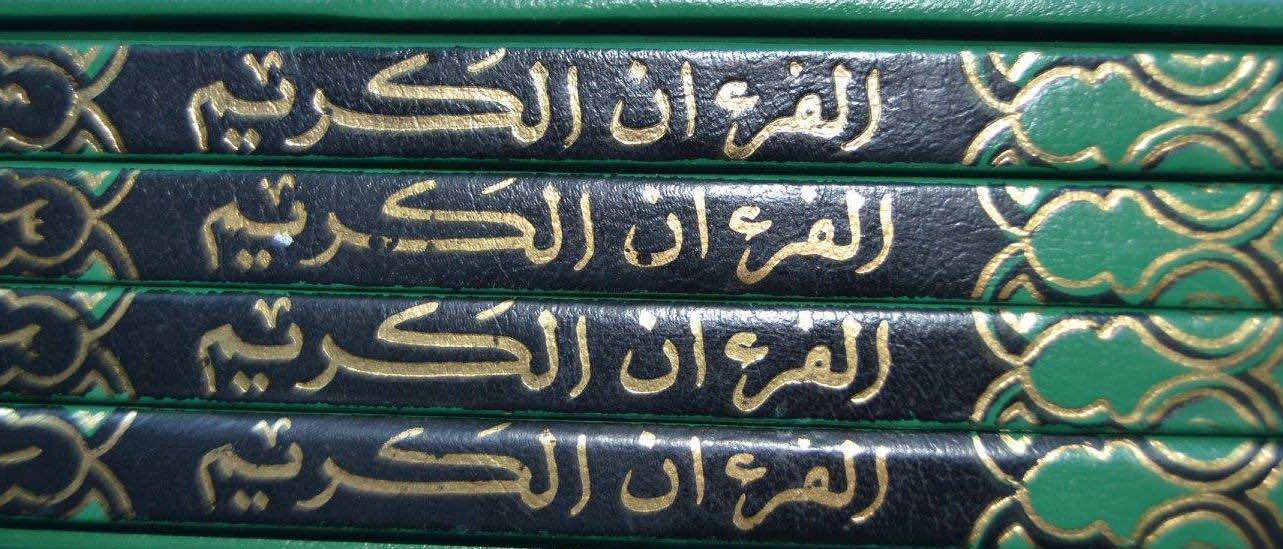
Knowledge and science are a privilege God has granted Man and which not all men acknowledge. God reminds Man that He has taught him all that he knows, revealed to him all that he ignored (Koran, 96:5).
In fact, the endowment and the privilege are those of a mind, an intelligence, and a heart that can guide Man to true knowledge and through which he can explore, contemplate, discover, and learn about the secrets of God’s creation. Giving up this endowment is denying God and showing ungratefulness to Him, to his kindness, to his generosity, and to his offer of salvation.
There is, however, one single exception to Man’s access to God’s secret
Man will not be able to uncover the secret of (ruh), a concept which has been translated at times as “soul” and at others as “spirit,” which will remain the exclusive knowledge of God. Man is invested with the responsibility of improving his living conditions and of making his stay in the world more comfortable, more pleasant and more meaningful by learning everything else than the ruh. In fact, God has created every single creature, living or not, so as man finds ways of making good use of it.
Man is thus encouraged to learn about the stars, the skies, the oceans, the lands, animals, insects, plants as well as about himself, his body, his intellectual faculties, his motivations and drives, his social organization, his history, present and past populations, tribes and nations, and about everything that is for the dual purpose of knowing his God better and for improving the quality of his own life. The more Man learns, the better he can perceive and appreciate the greatness of God through the many signs He has created for him to see and, consequently, the more at peace with himself, the most serene and happy he will be and he will be able to make others.
The many intricacies and orderly complexities of every creature as well as the harmonious relationships and complementarities amongst them are all signs of the uniqueness of God and his exclusive might as they all reveal the necessity of a One and Only omnipresent and omniscient creator. The very set up of the universe is meant to witnesses to the oneness of God and to the fact that there can be no associates to Him!
If, at any time or anywhere in the world, this harmony and these complementarities are upset, it is always because God and His schemes have not been duly acknowledged and complied with. One case is that of those kings who destroy cities and humiliate men where they were honored and respected. Another case is that of those who deny the messages of God and continue perpetrating injustice against God as well as against their people and against the environment. These call for the wrath of God which is both a reminder of His all powerfulness and a correction of whatever had gone wrong.
The mind as well as all the other means of knowledge which God has granted Man are, therefore, not to be used in vain efforts or in mischievous activities nor should they be turned against the good and happiness of people. They are, on the other hand, to excel and compete in the development of all intellectual means to allow for the formulation of significant questions and for seeking answers to them. This is why Muslim scholars have encouraged work in mathematics, physics, chemistry, agronomy, astronomy, geography, philology and the study of language, philosophy, history, the study of society, the arts, etc. The only one condition to comply with while pursuing knowledge, as has already been mentioned, is to avoid the ambiguities that might result from such pursuits as would raise questions about the ruh and thus lead to challenging the principle of oneness of God and of his uniqueness as the sole and only creator. This would be the worst form of vanity and of denial of God’s supreme might and exclusive faculty to create. The only sin that God will not forgive.
Furthermore, when the pursuit of knowledge ceases to result either or both in the confirmation of God’s oneness and supremacy and/or the happiness of Man, it becomes vain and thus falls, at best, in the superfluous that is not worth the energy, the investment and the life of Man, or at worst, in heresy, and has to be discontinued immediately (Koran, 30:7) & (Koran, 45:123).
Only those who achieve knowledge will have access to the utmost felicity of wisdom which puts on the right track: “And such are the Parables We set forth for mankind, but only those who have knowledge understand them.” (The spider, 29:43); and who will know God well enough to fear Him: “Only those among His servants who possess knowledge truly fear Allah.” (Fatir, 35:28).
Among all those who have knowledge of God, prophet Mohamed is the one who has as comprehensive one as any man can have. Al Bukhari reports the following Hadith: “I am the most knowledgeable of you regarding God, and the most fearing of Him.”
© Morocco World News. All Rights Reserved. This material may not be published, rewritten or redistributed without permission
The views expressed in this article are the author’s own and do not necessarily reflect Morocco World News’ editorial policy