


 Join on WhatsApp
  Join on Telegram
 Rabat – Amina Bouayach, the President of the National Council for Human Rights (CNDH), reaffirmed the council’s dedication to advocating for the abolition of the death penalty in Morocco during a press conference today.
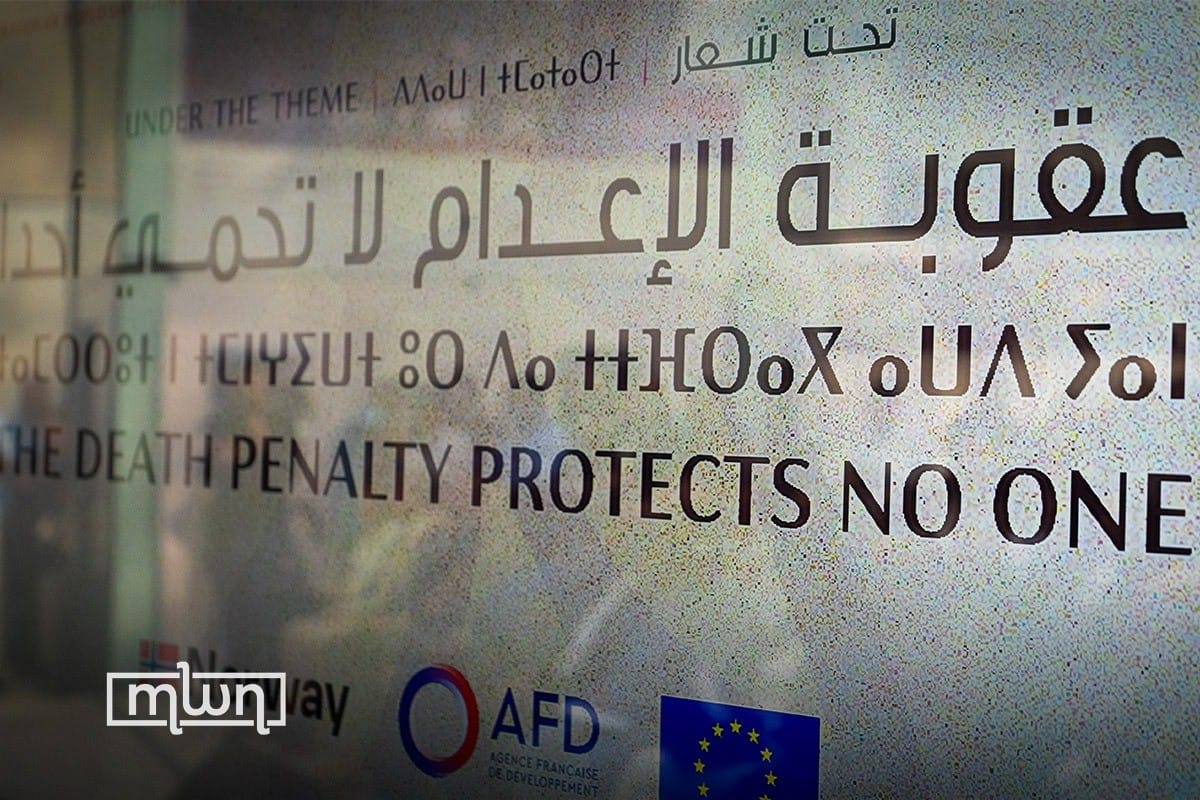
The event took place on World Day Against the Death Penalty, which this year carries the theme, “The Death Penalty Protects No One.”
Bouayach expressed her concerns about the psychological and social repercussions of maintaining a moratorium on the death penalty, which, while currently in effect, is still legally recognized.
She pointed out the urgency of addressing the prolonged uncertainty experienced by death row inmates and their families. “The death penalty does not protect anyone,” she stated, noting that its implementation fails to provide reassurance for victims’ families or society as a whole.
Read Also: World Day Against Death Penalty: Morocco’s Abolition Push Gains Momentum
Reaffirming the CNDH’s commitment to abolition, Bouayach pointed out the inherent right to life as the foundation of all other rights. She called on lawmakers “to align legal provisions with Article 20 of the Moroccan Constitution and the international treaties and agreements ratified by Morocco.”
This effort reflects the CNDH’s intention to ensure that its advisory opinions on criminal matters clearly advocate for ending the death penalty. In this context, advancing human rights is vital for questioning the legitimacy of capital punishment.
The participation of non-state actors, particularly entrepreneurs, brings fresh perspectives for promoting this cause, as they utilize their influence and resources to drive meaningful societal changes.
Nadia Benhida, coordinator of the Network of Entrepreneurs Against the Death Penalty (RECPM), stated that “The active involvement of the CNDH makes this meeting an unmissable event every year to commemorate the World Day Against the Death Penalty. This is a testament to its strong commitment to defending the most fundamental human rights.”
The event was attended by several ambassadors and representatives of the diplomatic corps accredited in Rabat, as well as representatives from national and international human rights institutions.
According to the official website of the CNDH, “The death penalty constitutes a grave violation of human rights and a deprivation of the right to life, which is an inherent and absolute right for every human being. It is, in fact, a fundamental condition for the exercise of all other rights.”
On October 28, 2019, the CNDH presented its memorandum on Bill No. 10.16, which aims to amend and supplement the Penal Code, recommending the abolition of the death penalty.


