By Paul Bonicelli
July 5, 2011 (Foreign Policy)
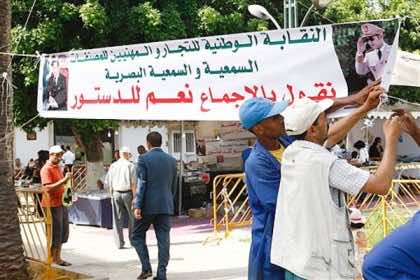
Morocco took an important step forward last Friday in approving constitutional changes. The vote was symbolic and substantive, and both characterizations are important. The United States should take note and show support for the changes and how they were brought about. The European Union has already weighed in affirmatively.
The symbolism is important because King Mohammed VI has taken a step that other Arab monarchs are reluctant to even contemplate, much less take. The House of Saud is using dollar diplomacy and other forms of persuasion to encourage all Arab monarchs to stand pat and not respond to the Arab Spring with reforms of any significance. Senior fellow at the Council on Foreign Relations and former deputy national security advisor Elliott Abrams has commented incisively on this issue. The monarchies have been in less political trouble than the fake republics and so the pressure to respond to demands for reform is less intense; the Saudis believe this passionately and want fellow monarchs to remain in the fold.
Thus, Mohammed VI’s careful trek down this path to a constitutional vote in which the Yes vote garnered 98 percent (with 73 percent turnout) is encouraging.
As to substance, the new constitution does not represent earth-shattering changes and the real power of government continues to be in the hands of “one man,” as the youth movement rightly points out, to their dismay (they had encouraged the public to boycott the vote while most civic, media, political and religious groups supported it). The king will retain control of the military, religion and the judiciary and a prime minister will be chosen from the largest party in the parliament and will be head of government with executive over the rest of the government.
But the point is that the king, who has a history of showing his concern for modernization and acting on it cautiously, has offered a new constitution that breaks with the typical oriental despotism of the Arab world: the king, will NOT continue to control every aspect of government and will share power with others-notably, elected representatives of the people. That might not be earth-shattering in terms of Western notions of government, but it counts for such in the Arab world. And it will be understood that way in Morocco and importantly, in other Arab countries by rulers and ruled alike.
The symbolism is, therefore, the most important substance in this event and it should bring about more substance; that is, if the transition results in stability and slow but steady reform (think hundreds of years of British constitutional reform), then the king will have succeeded magnificently and his subjects will become more and more like citizens. The youth movement played an important role in provoking this change, but the older hands with a larger view of what is and is not possible in an Arab and Islamic kingdom tempered demands for change that are rightly judged too fast and too risky, for now.
Picture credit: AP