

Rabat – Morocco is seeking to expand its exports to Egypt after a trade deficit of more than MAD 10 billion ($1 billion) in 2025 exposed the gap between imports and Moroccan sales in one of its key regional markets.
The Moroccan Confederation of Exporters (ASMEX) and Egypt’s embassy in Rabat have outlined three areas of action to help Moroccan businesses gain a stronger foothold in Egypt: expand sales by existing exporters, introduce Moroccan products to new buyers, and ease administrative procedures that complicate market access.
The priorities emerged during a meeting on October 22 between ASMEX President Sonia Mezzour and Egypt’s Ambassador to Morocco Ahmed Nehad Abdel-Latif, alongside representatives of both sides.
The trade imbalance has added urgency to efforts to help Moroccan companies tap into Egypt’s market. Rather than focus solely on new export opportunities, the two sides also want to help businesses that already operate there reach more buyers and increase their sales.

ASMEX and the embassy plan to connect Moroccan exporters with Egyptian importers, distributors, and potential commercial partners. They will also seek to identify the obstacles that prevent established exporters from expanding their business.
Four product categories have emerged as potential areas for growth: fertilizers, canned and frozen seafood, cosmetics, particularly argan-based products, and olive oil.
These products could help Moroccan suppliers enter market segments that currently rely on imports from other countries. However, their prospects will depend on whether they meet Egyptian buyers’ requirements for quantities, technical specifications, prices, and commercial terms.
To explore these opportunities, the two sides are preparing a visit to Morocco by a delegation of Egyptian importers and investors. Authorities in both countries are reviewing the arrangements for the mission, which could include business-to-business meetings and discussions on potential commercial and industrial partnerships.
Market access also featured prominently in the talks, particularly the administrative requirements that Moroccan exporters must meet in Egypt.
The two sides discussed difficulties related to Egypt’s General Organization for Export and Import Control (GOEIC), which oversees import and export procedures. To help Moroccan businesses navigate these requirements, the Egyptian embassy will designate a contact point to guide exporters and follow up on their cases.
ASMEX will collect complaints from its members and bring them to the attention of the relevant institutions through established channels.
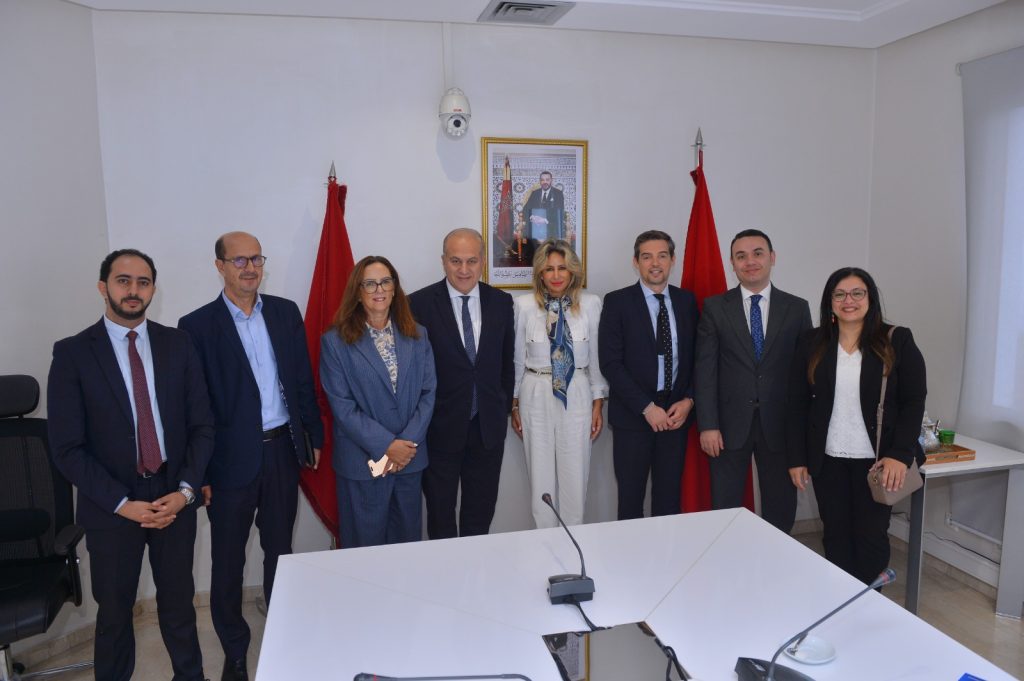
The talks also went beyond direct exports to examine opportunities for joint industrial projects between Moroccan and Egyptian companies.
Morocco’s Investment Charter could provide incentives for joint ventures that use the two countries’ industrial capacities to produce goods for international markets, particularly the European Union and sub-Saharan Africa.
Mezzour said the confederation wants to help businesses turn commercial opportunities into actual contracts and higher export revenues. Ambassador Nehad Abdel-Latif, for his part, stressed that closer private-sector cooperation remains essential to stronger economic ties between Rabat and Cairo.
ASMEX will now seek to identify Moroccan companies with the strongest prospects in Egypt, assess the needs of local importers, and arrange targeted meetings between businesses. It also plans to relay exporters’ concerns to the relevant institutions.
The initiative reflects a broader effort to give Moroccan businesses greater access to foreign markets and reduce trade imbalances through stronger export performance.