


 Join on WhatsApp
 Join on Telegram
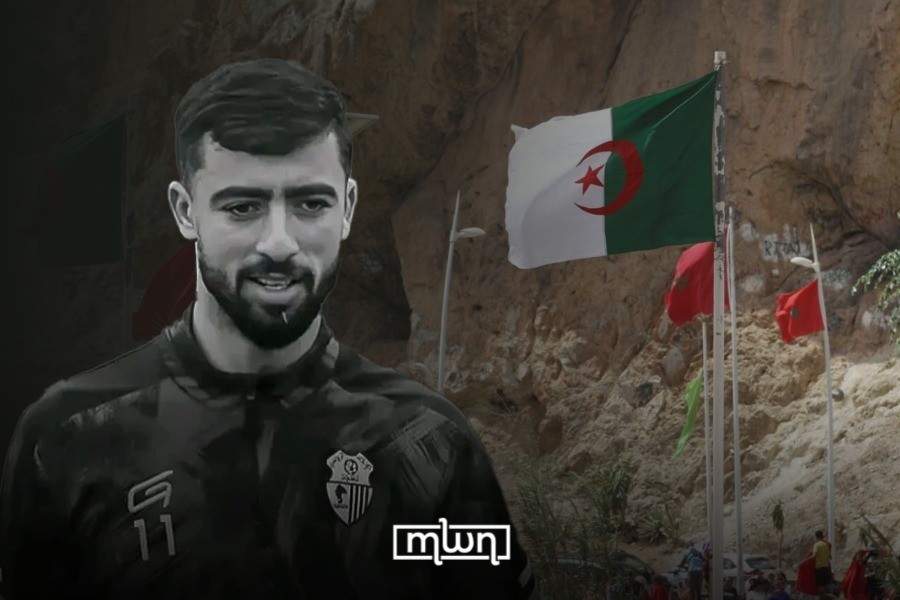
Doha – After an agonizing four-month wait, Moroccan authorities have finally received the body of footballer Abdellatif Akhrif from Algeria, marking the end of a complex diplomatic and administrative process that highlighted the strained relations between the two North African nations.
The body of the 24-year-old Ittihad Riadhi de Tanger (IRT) player was handed over to Moroccan authorities late Thursday night at the Zouj Bghal border crossing near Oujda, following months of bureaucratic complications and delays that drew widespread attention across Morocco.
The tragic sequence of events began on July 6, when Akhrif and four companions, including two teammates, embarked on a pleasure boat excursion from Restinga beach near M’diq. The outing turned fatal when their vessel capsized during a storm.
While the Moroccan navy successfully rescued three passengers, Akhrif and his friend Salman Harraq were lost at sea. Harraq remains missing to this day.
On August 8, a body was discovered off Cap Falcon, near Oran, Algeria, approximately 400 kilometers east of the accident site. Although the family initially identified Akhrif through his clothing, DNA confirmation became a point of prolonged contention.
Moroccan Royal Gendarmerie collected DNA samples from Akhrif’s parents on August 14 and forwarded them to Algerian authorities for comparison.
What should have been a straightforward identification process stretched into months of waiting. The Algerian Consulate in Casablanca only transmitted the DNA confirmation results to Moroccan authorities on November 28.
On December 2, Morocco’s Consulate in Oran requested a death certificate and transfer authorization from the local prosecutor’s office.
The case gained significant public attention in Morocco, particularly after Akhrif’s mother made an emotional video appeal on December 1, broadcast by Tanjaoui media, pleading with “Algerian brothers” to return her son’s remains.
Read also: Deported Algerians Become Pawns in Algeria’s Fury at France’s Western Sahara Position
The French newspaper Le Monde, in its coverage of the incident, pointed to what it called a “diplomacy of bodies,” suggesting the case exemplified the deteriorating bilateral relations between Algeria and Morocco.
According to Le Monde, experts from various international organizations indicated that such identification procedures typically take only days or at most a few weeks.
A source close to the case told Le Monde the “abnormally long delay” was attributable to the political tensions between the two countries, which have had no official diplomatic relations since August 24, 2021.
Le Monde drew parallels between Akhrif’s case and that of Abdelali Mchiouer, a Moroccan resident of Paris whose body was similarly held in an Algerian morgue for four months after he was killed by alleged Algerian coast guard fire while jet skiing near Saïdia in August 2023.
The prolonged retention of Akhrif’s body sparked widespread sympathy throughout Morocco, with football supporters across the country’s various clubs joining in calls for his return.
The movement gained particular momentum in Tangier, where Akhrif played as a left-winger for IRT in Morocco’s top division.
The body’s final transfer to Morocco occurred without the initially requested death certificate and burial authorization, as these documents were ultimately deemed unnecessary, allowing for an expedited return process.
Akhrif’s remains have been transported to the morgue in Oujda, from where they will be transferred to Tangier for his long-awaited funeral services.




