


 Join on WhatsApp
 Join on Telegram
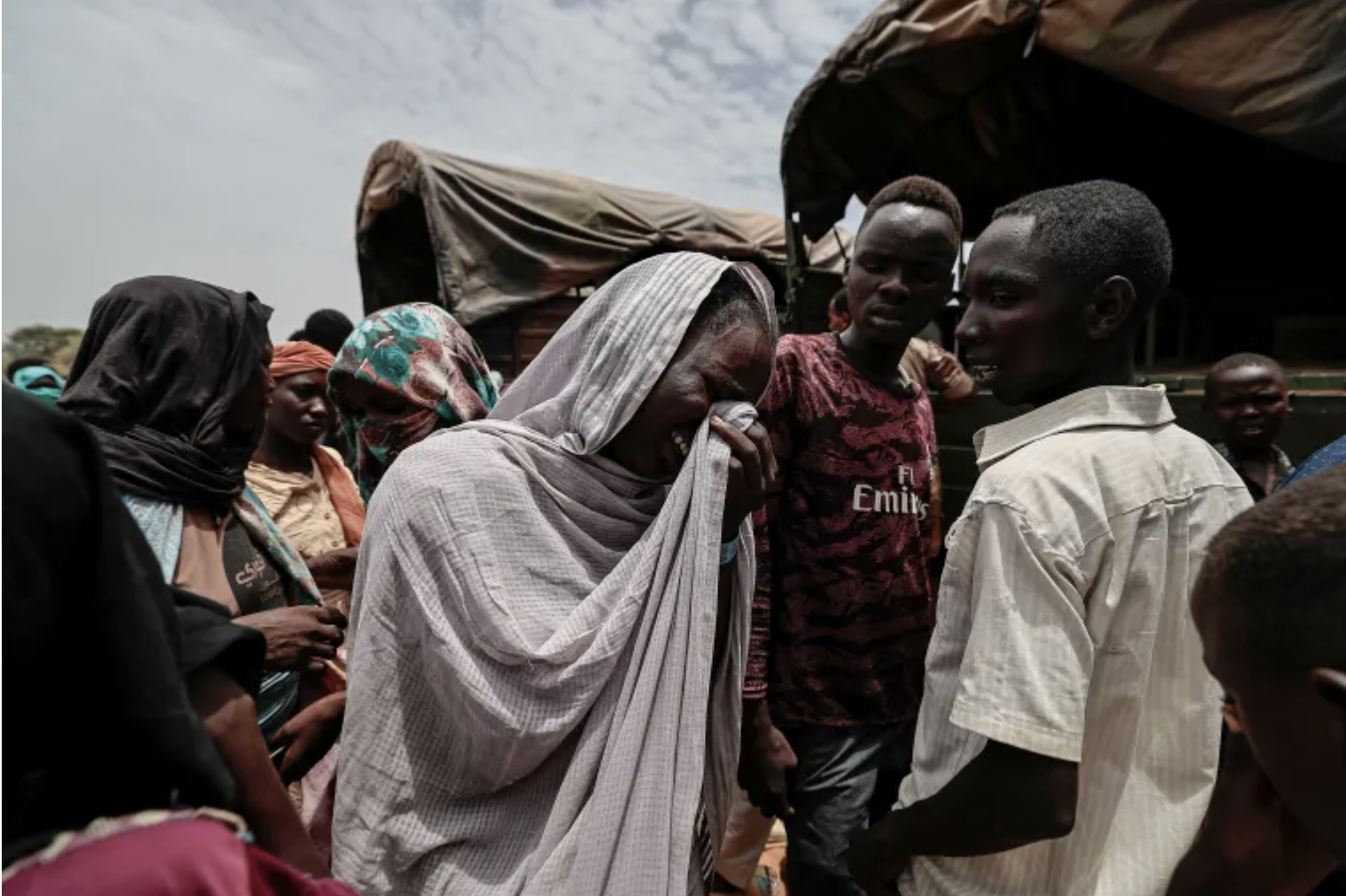
Rabat – The outbreak of conflict between the Rapid Support Forces and the Sudanese Armed Forces in Khartoum in mid-April 2023 has caused an escalating, critical humanitarian catastrophe, with more than six million people forcibly displaced from their homes, and 24.5 million needing humanitarian support.
As the city of Khartoum and the Darfur region have been devastated and dispelled into chaos, reports of incidents of gender-based violence atrocities committed by RSF and SAF members have emerged. According to converging reports by human rights groups, both camps have used acts of widespread sexual violence against women and girls as a despicable weapon of war, to punish and humiliate communities.
UN experts have published reports highlighting their concerns about actions perpetrated by the RSF, including sexual exploitation, slavery, trafficking and rape.
The reports show that these acts of abuse have spreaded beyond Khartoum and Darfur, though the RSF has not demonstrated a “commitment to address these abhorrent atrocities by their forces and those associated with them,” said the UN experts.
“We are appalled by reports of widespread use of gender-based violence, including sexual violence, as a tool of war to subjugate, terrorise, break and punish women and girls.” they added.
Following attacks in April by the RSF in El Geneina in West Darfur, 11 young Masalit women who claim to have been sexually assaulted, came forward in November to tell their stories, which were documented in a Reuters Special Report.
Read also: Save the Children: Hunger Claims Lives of 500 Children Amidst Sudan’s Escalating Conflict
Survivors recount being raped at gunpoint, and some endured multiple days of assault. Assailants were reported to use ethnic slurs against victims, invoking their Masalit identity in ethnically targeted attacks.
“For three days, they were raping me,” the special report quoted a 19-year-old survivor of an RSF attack in El Geneina.
Another survivor of the attack, aged 24, recalled the harrowing experience of being impregnated by her rapists. “I cried for three days. I didn’t want this baby,”she said. These heart-wrenching testimonies, reported by Reuters, may constitute war crimes under the Rome Statute, prohibiting sexual violence in conflict. Human Rights Watch and the UN have reported conflict-linked sexual violence, including specific targeting of Masalit women.
A women’s rights activist who was raped by RSF fighters told Reueters, “I screamed: Kill me. Death is mercy to me.”
The Reuters Special Report shed light on the use of sexual violence as a tool of war in the Sudanese conflict, particularly the ethnic targeting of Masalit women. These accounts are consistent with reports of pervasive conflict-related sexual violence. Yet the RSF, the accused perpetrator of these reprehensible crimes, has strongly denied responsibility.
The UN experts have condemned the surge of sexual violence in Sudan’s conflict, suggesting RSF combatants have been at the forefront of much of this criminal trend. They have called for an international investigation into these violations in Sudan, stressing that RSF has failed to address these heinous violations. “We are gravely concerned at the inability of victims of violence and sexual exploitation to receive the attention and care that they need, due to insecurity and lack of access of humanitarian and relief actors to the affected areas,” the experts stated in the report. “The world must not turn a blind eye to the atrocities and large-scale sexual violence unfolding in Sudan.”
Read also: Sudan’s Second City on Verge of Humanitarian Crisis As RSF Clashes Intensify
A further UN report, released on Tuesday this week, indicated that as of October 15, 4.2 million people in Sudan are in need of gender-based violence services, quoting the Office of the High Commissioner for Human Rights’ (OHCHR) alarm that women and girls are suffering under “inhuman, degrading slave-like conditions.”
“We are running out of words to describe the horror of what is happening in Sudan,” stressed the OHCHR in its report.
Meanwhile, the Special Procedures of the United Nations’ Human Rights Council (UNHCR) have expressed concern about the underreported cases of sexual violence, lamenting that only three percent of actual incidents are likely documented.
Aid groups such as the Combating Violence Against Women Unit routinely document and report GBV cases to the UN, while organizations such as UN Women and the Peace for Sudan Platform advocate for women’s rights and peace amid the raging civil war.
Women-led organizations, including the Peace for Sudan Platform, Mothers of Sudan, and the Women Against War network, are engaged in grassroots organizing to support and protect Sudanese women and girls. These organizations advocate for the inclusion of women in peace efforts and democratic transitions to break the cycle of violence that has plagued Sudanese women for decades.
Read also: Sudan’s Second City on Verge of Humanitarian Crisis As RSF Clashes Intensify
The upsurge in sexual violence orchestrated by the RSF in Sudan has led to a flood of reports to human rights and women’s organizations, yet the true of the horrific weaponization of Sudanese women’s bodies and honor remains unknown due to fear of stigma and reprisals. Equally tragically, survivors continue to struggle with limited access to healthcare, contributing to undocumented cases and escalating the humanitarian crisis.




