 Join on WhatsApp
 Join on Telegram
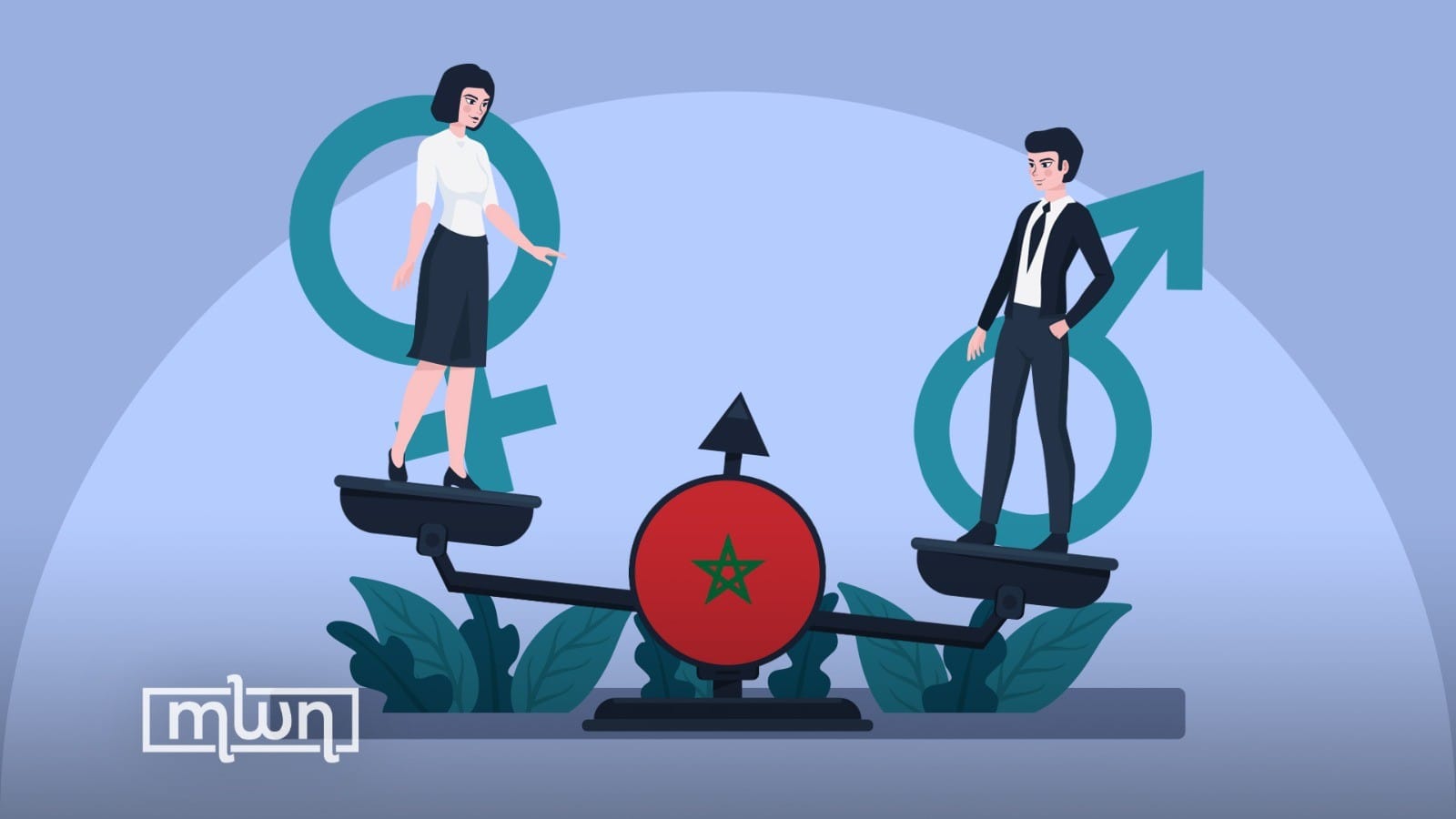
Marrakech – A comprehensive guide released this month offers solutions to tackle Morocco’s persistent gender pay gap. According to “Égalité Pro, STOP aux ECARTS” by Maria Charaf, women in the private sector earn 42.8% less than men, with the overall national gender pay gap averaging 23%, effectively meaning women work three months per year for free.
The report, which provides a practical toolkit for employers, employees, unions, and government agencies, draws on official data from Morocco’s High Commission for Planning (HCP).
In 2019, the median monthly salary for men in the private sector was 3,360 MAD ($336) compared to just 2,800 MAD ($280) for women, meaning half of all female employees earned this amount or less.
The gap varies significantly by profession and age. For senior executives and managers, women earn 38.1% less than men (9,000 MAD ($900) vs. 12,400 MAD ($1,240)).
Middle managers and employees face a similar disparity of 38.4% (3,600 MAD ($360) vs. 5,000 MAD ($500)). Among non-agricultural laborers, women earn 30% less (2,000 MAD ($200) vs. 2,600 MAD ($260)).
Using the Oaxaca-Blinder model (1973), the HCP attributes 91% of this gap to gender discrimination, with only 9% explained by differences in educational levels and professional training.
The situation is markedly better in the public sector, where the average pay gap is just 2.4% (women earning 8,300 MAD ($830) vs. men at 8,500 MAD ($850)).
Gender gap persists despite steady progress
However, women remain underrepresented in leadership positions, occupying only 23.5% of responsibility posts in public administration as of 2021, with some improvement to 28% by 2022.
In corporate governance, progress has been slow but steady. Following the introduction of mandatory quotas through Law No. 19-20 (Official Bulletin No. 7014, August 19, 2021), publicly listed companies must have at least 30% representation of each gender on their boards by 2024, increasing to 40% by 2027.
By the end of 2023, women held 23.2% of board seats in listed companies, with 31% of boards already meeting the 30% threshold.
The guide offers practical tools for organizations to address these disparities, including audit grids, compliance checklists, salary gap assessment matrices, and harassment prevention procedures.
It recommends a three-step approach: conduct a diagnosis using existing HR data, build a realistic action plan with preventive and corrective measures, and publish clear annual results.
The document stresses that gender equality is not just a matter of social justice but also economic necessity. According to the World Bank, closing the gender employment gap could increase Morocco’s GDP per capita by nearly 40%.
The guide draws inspiration from international best practices, bringing up Iceland’s Equal Pay Standard (ÍST 85), France’s Professional Equality Index, and Canada’s Federal Pay Equity Act as models Morocco could adapt.
For sustainable progress, the report calls for greater transparency in indicators, strengthened labor inspection, effective collective bargaining, planned salary adjustments, and concrete measures to break the glass ceiling that continues to limit women’s professional advancement in Morocco.
Read also: Female Empowerment in Morocco: An Unfinished Progress