 Join on WhatsApp
 Join on Telegram
Rabat – The leadership of Morocco’s government majority has expressed “full readiness” to listen to young people’s demands and work to improve health, education, and social services through dialogue and legal channels.
“After reviewing the developments linked to youth expressions in online and public spaces, the government affirms that it listens carefully to and understands the social demands,” the leadership said after a meeting today.
The meeting comes after a wave of protests led by young groups such as GenZ212 and Moroccan Youth Voice has spread to at least 11 cities. Protests were driven by anger over inadequate public services especially in healthcare, rising inequality, and poor education system.
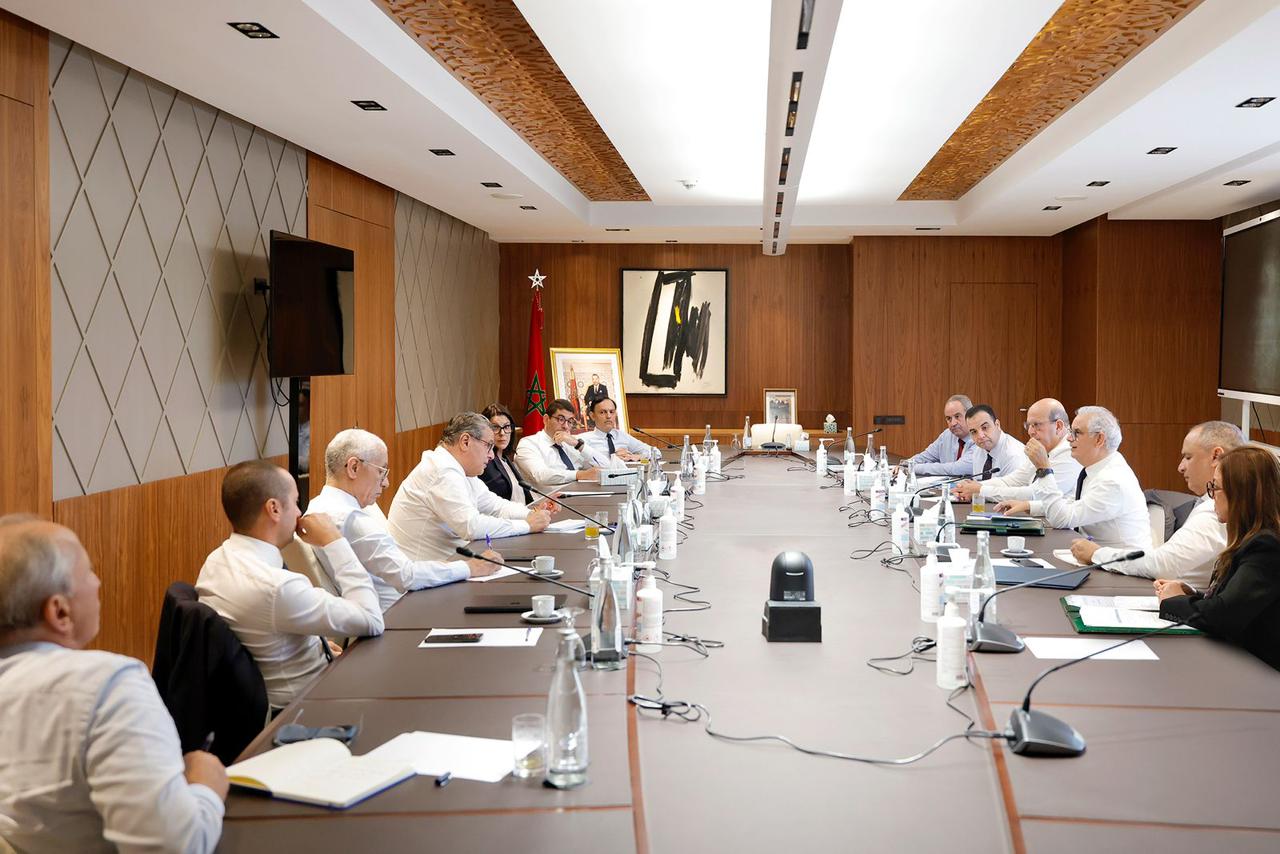
Today’s leadership meeting was chaired by Aziz Akhannouch, leader of the National Rally of Independents (RNI), and attended by senior figures from the coalition parties, including Fatima Zahra Mansouri, Mohamed Mahdi Bensaid, Nizar Baraka, and other ministers and party leaders.
The leadership said it is “ready to respond positively and responsibly through dialogue and discussion within institutions and public forums, and by finding realistic, implementable solutions that serve the interests of the nation and citizens.”
‘Measured response’
The statement added that dialogue is the only way to solve the country’s problems. It also commended what it called the “measured response” of security forces, claiming that their actions followed the relevant legal procedures.
However, footage and eyewitness accounts from the recent protests tell a completely different story. Dozens, if not hundreds, of videos circulating online show security forces shoving, pushing, and using force to disperse groups of young people, including plainclothes officers forcibly and sometimes violently detaining young people attempting to chant slogans or speak to the press.
The statement added that the leaders discussed the current political, economic and social situation in the country. They stated that they have taken the royal directives in the recent Throne Day speech seriously and will use them to shape a new set of local development programs. These programs will be reflected in the 2026 Finance Bill, the statement said.
The government acknowledged the “long-standing accumulations and problems affecting the health system over decades” and said major reforms are already under way.
It argued that results cannot appear instantly because the health reforms are large and include creating local health groups, upgrading hospitals, and increasing the number of health professionals to meet international standards.
The leadership said it welcomes moves to open a wider debate on health reform, including a parliamentary initiative to invite the health minister to provide a detailed briefing to parliamentary committees. It said the government remains open to suggestions from all parts of society to improve the health system.
The Gen Z protests followed recent demonstrations in Agadir due to the poor services and lack of proper care at the Hassan II regional hospital. The hospital protests began in mid-September following the deaths of at least eight young women after cesarean surgeries.
Families and activists described the conditions as “questionable,” citing overcrowding, understaffing, and lack of medical equipment. Despite assurances from the ministry of health, the protests spread to other hospitals across Morocco, eventually fuelling the Gen Z protests that aim to address several other challenges, including education and social inequalities.
Many of the protestors chanted “we do not want the World Cup, we want health and education,” referring to the 2030 World Cup Morocco is set to host alongside Spain and Portugal. Moroccan youth have been criticizing the government for building stadiums for the global tournament while neglecting hospitals, schools, and other essential services.