
 Join on WhatsApp
 Join on Telegram
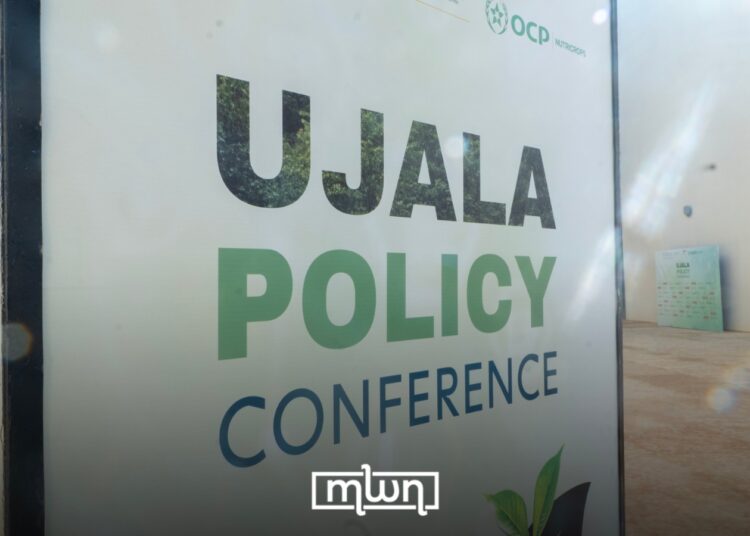
Rabat – Mohammed VI Polytechnic University (UM6P), in collaboration with J-PAL and OCP Nutricrops, hosted the UJALA Policy Conference on January 12 at its Rabat campus, bringing together policymakers, researchers, and practitioners to discuss how research can better guide agricultural policy across Africa.
Under the theme “Aligning research, public action, and field practice for an evidence-driven agricultural future,” participants explored approaches to applying scientific findings in shaping, implementing, and adapting agricultural policies, particularly in regions facing climate challenges, limited resources, and diverse farming systems.

Agriculture at the Core of Africa’s Policy Challenges
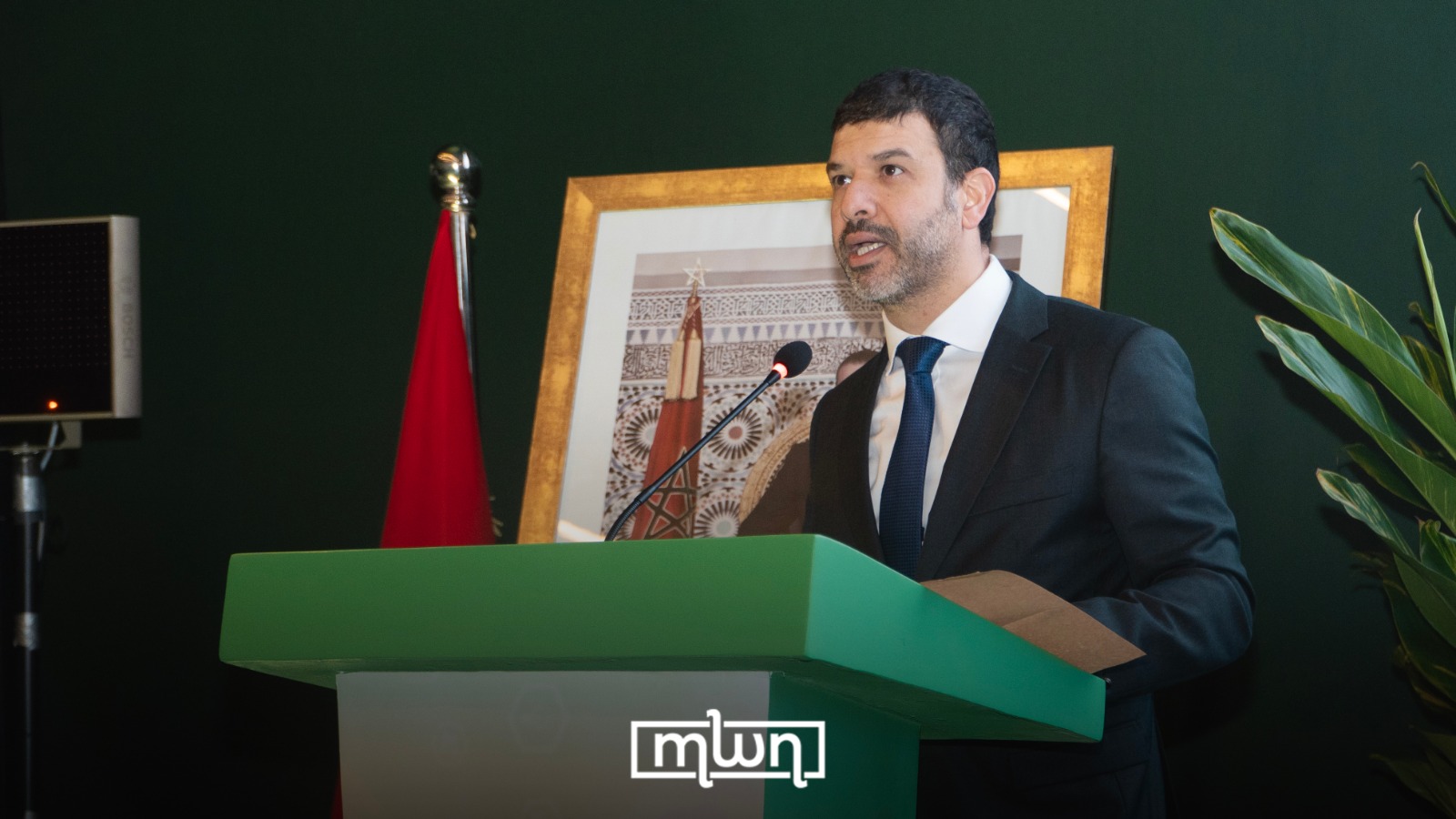
Opening the conference, UM6P President Hicham El Habti showcased the strategic weight of agriculture in Africa’s economic and social landscape.
He noted that the sector accounts for around 23% of the continent’s GDP and employs more than 60% of the active population, while also facing structural vulnerabilities.
More than 65% of farmland in Africa suffers from soil degradation, and crop yields are two to three times lower than the global average. Climate shocks make the situation worse.
“In such a context,” El Habti said, “the question is no longer only what to do, but how to decide, on what basis, with which learning tools, and with what capacity to adapt over time.”
He added that agricultural policy choices directly affect millions of people and can have lasting consequences, making evidence-based decisions a necessity.
From Evaluation to Action
El Habti said the conference was designed as a shared space where research, policy, and fieldwork stay in constant dialogue. He argued that evaluation should not come after programs are finished but should guide decisions from the start.
This reflects UM6P’s vision of turning knowledge into action, he added. In agriculture, that vision is carried out through the College of Agriculture and Environmental Sciences and projects like Al Moutmir, which turn research and agronomic data into practical advice for farmers.
Bridging Research, Policy, and Practice
UJALA, the UM6P–J-PAL Applied Lab for Agriculture, is a set up to test and evaluate farming programs using rigorous methods. By showing what works for which farmers, and under what conditions, it aims to improve public policy and protect agricultural investments through evidence-based learning.
Youssef El Bari, CEO of OCP Nutricrops, spoke of the critical significance of scaling up farming solutions. He stressed the need to keep linking science, evaluation, and decision-making, especially when programs affect hundreds of thousands or even millions of farmers.

This principle shaped UJALA’s design and led OCP Nutricrops to create an internal Evaluation and Learning unit, ensuring evidence guides program adjustments, priorities, and long-term impact, he explained.
The agenda also included keynotes and panels on smallholder productivity, digital tools, soil health, and climate resilience. Academics, policymakers, and practitioners came together to examine how research can guide better policies and practical solutions.