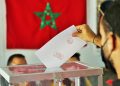
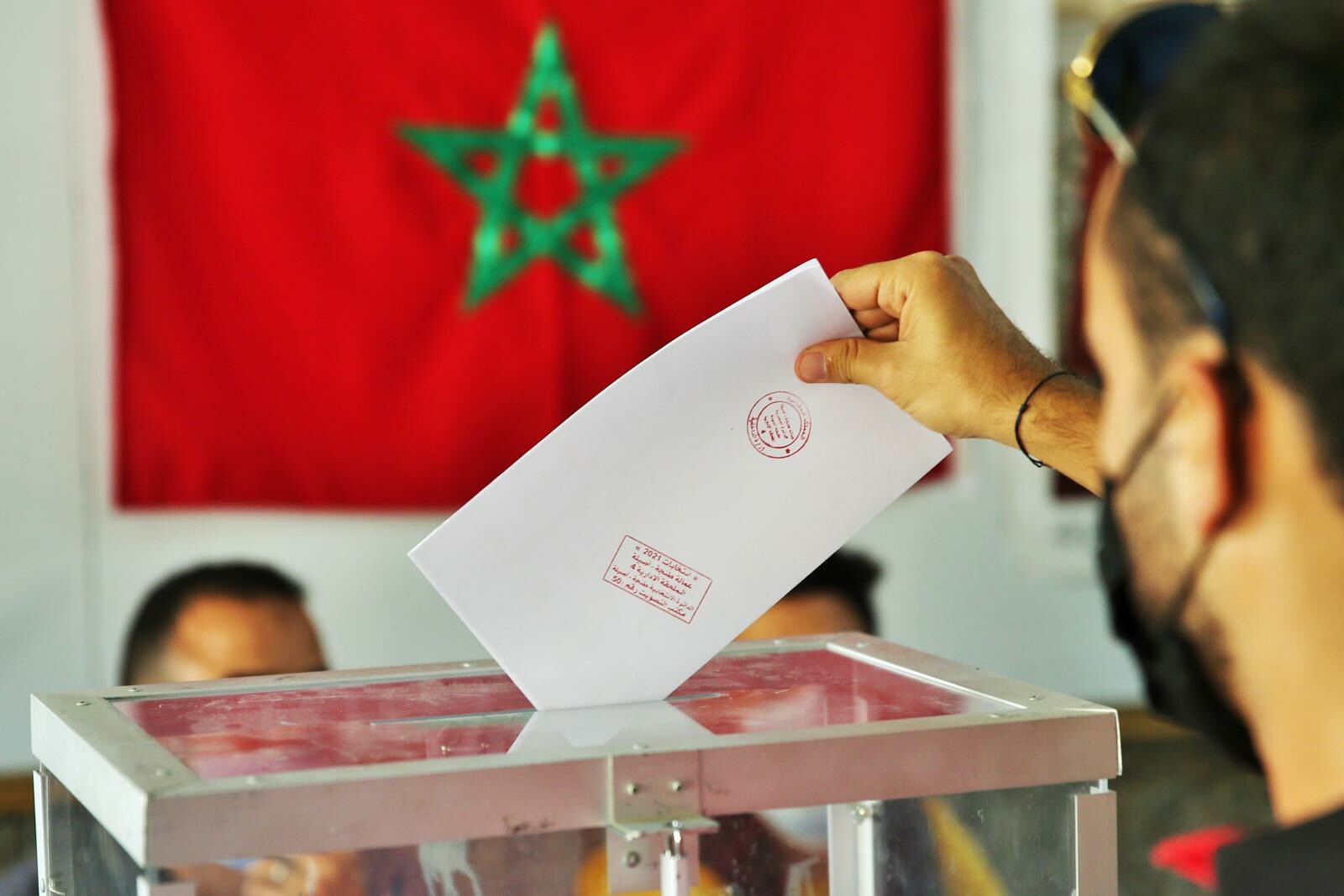
Casablanca – The Moroccan Center for Research and Policy Analysis (CEMRAP) has published a reading of the election programs of the three parties that formed the previous government coalition, the National Rally of Independents, the Authenticity and Modernity Party and the Istiqlal Party, following the September 23 legislative elections.
The center said the programs largely focus on social and economic issues, while giving little attention to political and constitutional reform.
CEMRAP said the programs do not propose changes to the electoral system, electoral oversight, political representation or the process of forming governments, despite longstanding debate around these issues.
It also noted the lack of proposals concerning the balance between the central government and territorial authorities, particularly the distribution of powers and responsibilities.
The programs instead place social policy at the center. They include proposals to provide adequate housing for 500,000 families, strengthen public healthcare, expand healthcare coverage and reinforce public services, including schools and the wider education system.
The center also raised questions about the financial basis of several promises. One party proposed implementing its program at a total cost of MAD 350 billion.
CEMRAP pointed to direct public debt of MAD 1.145 trillion at the end of December 2025, after a 5.9% increase, while Morocco’s trade deficit reached MAD 352.3 billion in 2025 after rising 15.5%, according to Bank Al-Maghrib.
Economic measures in the programs include gradually raising minimum wages and pensions, supporting young graduates entering the labor market and creating jobs to reduce unemployment.
The Istiqlal Party proposed financial support for young people preparing to marry, while other parties proposed a return-to-work allowance. Some programs also projected average annual growth of 5% and a reduction in unemployment to 7%.
CEMRAP also examined digital sovereignty, artificial intelligence, energy security and water resources. The programs call for stronger digital regulation, greater protection of national digital systems, diversified water sources and increased domestic green energy production.
The center said the parties also emphasize investment and major infrastructure projects, including preparations for the 2030 World Cup, alongside continued social assistance for vulnerable groups.
It noted that the programs largely avoid detailed discussion of defense, civil protection and foreign policy, beyond reaffirming Morocco’s position on the Western Sahara issue.
CEMRAP ultimately described the programs as ambitious in their social and economic promises but said many proposals lack detailed and sustainable funding mechanisms. The center also said the programs contain few structural proposals for addressing institutional and political challenges.