 Join on WhatsApp
 Join on Telegram
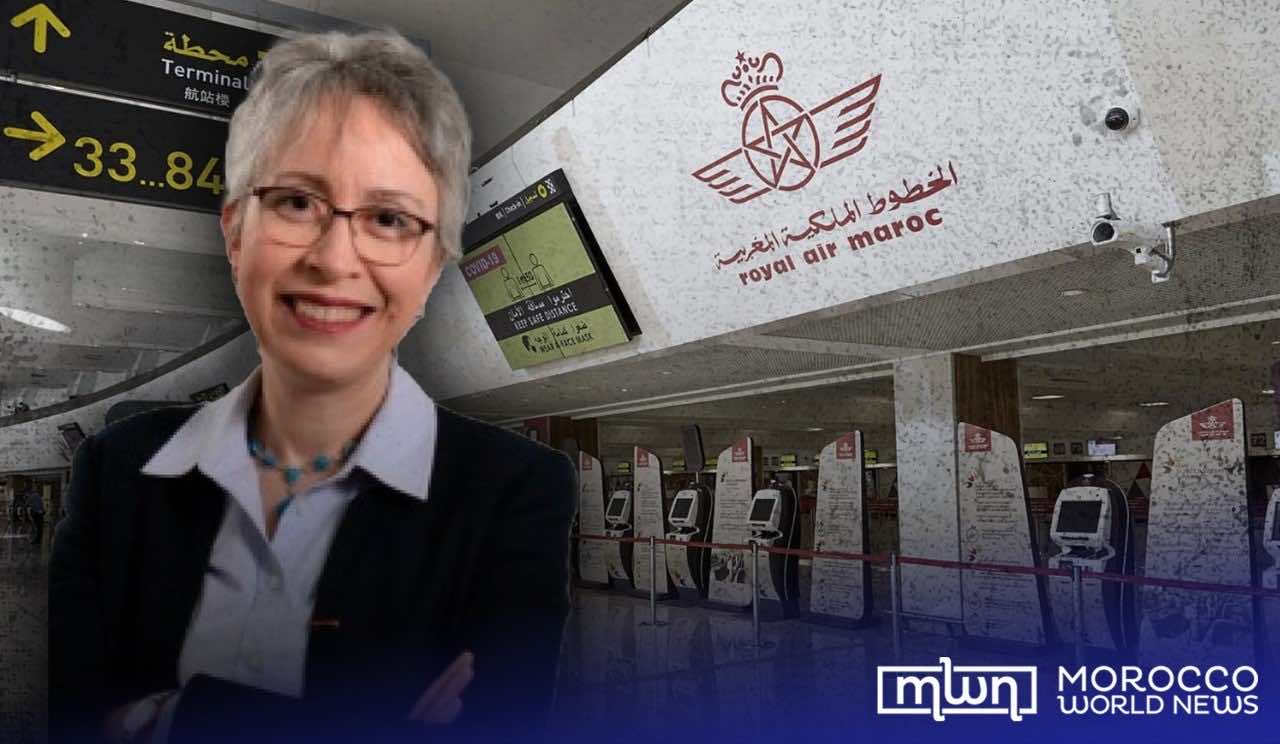
Rabat – In a bid to improve the quality of services in its international airports, Morocco’s National Airports Office (ONDA) is seeking to accelerate its digital transformation, arguing that digitization “is no longer a choice but an imperative.”
In an interview with Airport World, Director General of ONDA Habiba Laklalech stated that the COVID-19 crisis underlined the need for the digitization of passenger journeys and baggage management, as well as the automation of airport resource management with the use of big data, cloud technologies, and internet of things (IoT) solutions.
Technologies such as paperless check-in and contactless biometric technologies, Laklalech argued, “will raise the capacity and operational efficiency of existing facilities and bring high added value for passengers at the same time as reducing the need to invest in costly new infrastructure.”
These changes come as part of Morocco’s “Flight 2025” strategy. Launched in July 2021, the four-year plan seeks to improve the quality of the country’s air navigation services and the operations of airports. The strategy further seeks to expand the country’s aviation infrastructure to increase passenger capacity.
In the case of Marrakech-Menara airport, the ONDA official shared plans to double the capacity of its terminal 1 to handle up to 12 million passengers per year by 2040.
Read Also: Middle East Aviation Sector Recovers, Reaching 80.5% of 2019 Capacity
By expanding the Marrakech airport’s capacity, ONDA seeks to boost the city’s tourism sector given that 97% of the airport’s traffic comes from international flights, particularly ones connecting the Moroccan tourism hub to Paris, London, Madrid, Barcelona, and Marseilles.
As Morocco’s medium and long-term aviation visions aim to reinforce the national infrastructure, the country expects to welcome 19 million passengers this year which would constitute a 76% rebound in passenger capacity and a 78% recovery for aircraft movements compared to pre-pandemic levels.
The nationwide rebound in aircraft activities is highly driven by the quick recovery of passenger traffic in northern provinces, says Laklalech.
In the first eight months of 2022, Tangier Ibn Batouta, Nador El Aroui, Oujda Angad, and Tetouan airports recorded the country’s highest year-on-year recovery rates.
While the Tangier, Nador, and Oujda airports all registered a recovery rate of 100% or more, Tetouan’s airport saw a staggering 364% recover in 2022.
Explaining the high aerial traffic in northern provinces, Laklalech stated Morocco’s northern airports “have traditionally benefited from Moroccan and African diaspora, and prolonged separations caused by the COVID crisis have only served to dramatically increase demand for this kind of traffic.”
Read Also: Royal Air Maroc Eyes Expansion in Europe, Africa in Post-COVID Economy