


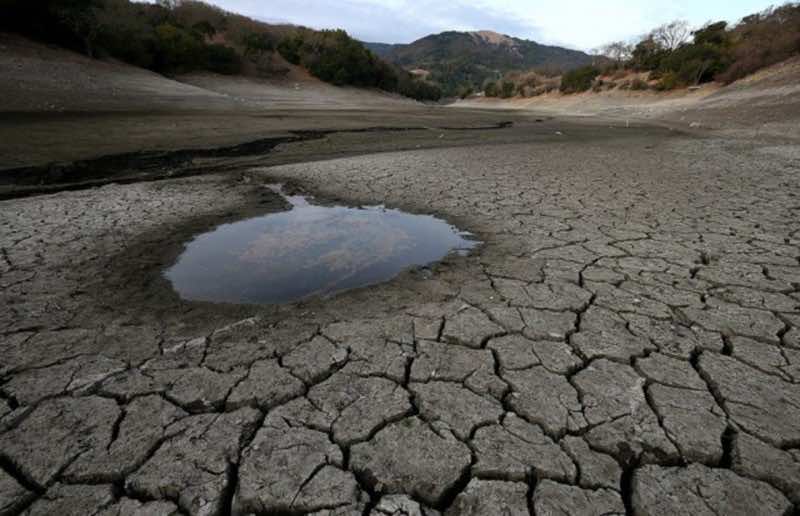
Rabat – Morocco is currently facing its worst drought in over three decades, prompting authorities to adopt a series of measures to ration water.
The measures include a lower flow of drinking water, as well as prohibiting the use of tap water for gardening, irrigation, and washing vehicles.
This comes as the adverse weather events experienced over the past months are causing the North African country to go through a hotter and extremely dry summer. The extreme heat waves have already caused wildfires in different provinces, resulting so far in five casualties and the destruction of more than 10,000 hectares of forest.
Last month, around 3,200 families were displaced in the aftermath of the fires.
As the drought is pressuring the country’s water resources, local authorities are turning to water rationing measures all across the country, including in Casablanca, a city with the largest concentration of population of over 3 million habitats.
In Casablanca, local authorities have officially banned the use of drinking water for gardening, vehicle washing, and street cleaning, the Spanish news agency EFE indicated in a report on Sunday.
“We are facing a water emergency situation, the stored water is insufficient, we must take care of the resources we have,” Casablanca’s deputy mayor, Moulay Ahmed Afilal, told the Spanish press agency, adding that the city’s authorities have set in motion a list of sanctions and fines to ensure the implementation of the measures.
Morocco’s business hub is not the only city enacting water rationing measures, however.
Other cities and towns across the country have taken similar measures, including reducing the flow of water in homes. Beni Melal, a city in north-central Morocco, has even gone a step further by cutting the water stream altogether at night.
The country’s current water reserves are at a four-decade low at 28.2%, down from 46% last year.
Read Also: Central Bank: Morocco Needs ‘Shift’ in Public Policies to Address Water Scarcity




