 Join on WhatsApp
 Join on Telegram
Rabat – In what is set to be a lengthy legal battle, a September 29 ruling by the European Court of Justice (ECJ) has given Morocco and the EU two months to appeal the court’s decision to annul the EU-Morocco fisheries agreement.
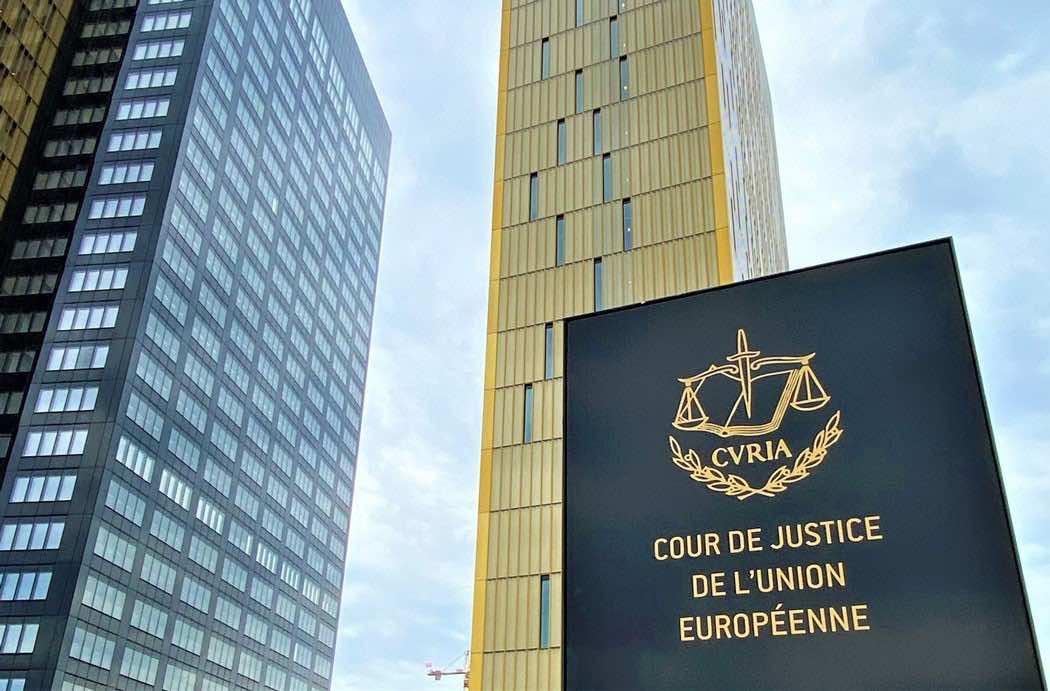
The ECJ in Luxembourg on Wednesday issued its first judgement on the Sustainable Fisheries Partnership between Morocco and the EU that was adopted on March 4, 2019. The verdict ostensibly “annuls” the agreement, although it conceded that little will change in practice. The ruling called for the Morocco-EU agreement to “be maintained” as the court case continues.
The three judges of the EU court determined that without an appeal, the fisheries agreement would be annulled in two-months, the period set for appeal in Article 56 of the ECJ’s statute. However, the EU and Morocco have already indicated they aim to lodge an appeal, which effectively keeps the agreement active for the indefinite future.
The court ruled on three cases. The first, T‑279/19 covered the 2019 revision of EU tariffs on products from the Western Sahara region. The judgement further covered joined cases T‑344/19, and T‑356/19, which cover the sustainable fisheries partnership.
The EU and Morocco appeared keen to present a united front against the ruling by releasing a joint statement on the case. Signed by European Commision Vice-President Josep Borrell and Morocco’s Foreign Affairs Minister Nasser Bourita, the statement emphasized the two partners “remain fully mobilized” to continue their partnership “in a climate of serenity and commitment.”
Rabat and Brussels have accordingly vowed to take “the necessary measures to ensure the legal certainty” underpinning the fisheries agreement as part of larger trade relations between the two parties.
Gaining consent
The court case currently revolves around the issue of how to determine where locals in the Western Sahara region can provide their consent for the fisheries agreement. According to the ECJ’s ruling, an earlier consultation process by the EU did not sufficiently establish the consent of the local community.
The court did recognize Polisario as a legal claimant that, in regards to their self-determination advocacy, can represent the region’s people in court. The agreement between the EU and Morocco had established the benefits of the agreement to the local people, but had failed to establish a legally-binding statement of consent, according to the court.
The agreements between Morocco and the EU, the court highlighted, “concern the people of that territory and require the consent of its people.”
The current case brings one of the key issues in the Western Sahara peace process to Europe’s top court. The UN-led political process to resolve the Sahara dispute has been hampered by the lingering question of who represents the region’s local people, and how to gather a formal sense of consent or consensus.
While the court determined that Polisario is a valid legal applicant as a “party to the self-determination process,” it appears to not consider the group able to speak on behalf of Sahrawis when it comes to giving or revoking consent regarding the fisheries agreement.
The court’s press release highlighted that “the consent of the people of Western Sahara …. has not been respected.” The ruling appears to recognize that the EU-Morocco agreement did not establish consent, while Polisario equally did not establish the disapproval of the local people.
Practical implications
While the ECJ has ruled that the fisheries agreement should be “annulled,” in practice the legal battle simply moves to the next stage. Morocco and the EU have two months to file their appeal, while the fisheries agreement continues unabated before the appeal has been filed, and then continues amid ongoing legal proceedings that could take several more years.
The decision “will not change anything on the ground for economic operators,” EU-law expert Genevra Forwood told Moroccan state media. She explained that “there is no legal impact on the agricultural and fisheries agreements between Morocco and the EU,” as legal proceedings at the ECJ continue through appeals.
Meanwhile, even the three judges who issued the ECJ verdict recognized that immediately annulling an international agreement between the EU and a top trading partner would undermine the bloc’s credibility and the “legal certainty over its international commitments.”
The verdict has however made a future conclusive verdict more likely by establishing Polisario as a valid legal applicant, and determining the establishment of local consent as an important factor in determining whether the agreement is valid. However, how this consent should be established remains unclear.
Establishing consent should “pose no problem,” according to Mohammed Alamouri, president of the Moroccan Confederation of Agriculture and Rural Development (Comader), one of the parties involved in the case. “None of this affects our confidence,” Alamouri told Medias24, adding that “Morocco will win its case. It’s a question of justice.”
The ruling “will not in any way shake the edifice of the strong relations between Morocco and the European Union, built upon honesty, mutual respect and common interest,” commented Mohamed Cheikh, the former president of the Morocco-EU Parliamentary Friendship Group. He considered thatgathering further consent from Sahrawis constitutes a straight-forward task as “they benefit from the agreements of agriculture and fisheries and are witness to the steady economic growth of the southern provinces.”
It is now up to the involved parties, with Polisario on one side, and the EU and Morocco on the other, to attempt to establish the yet-undefined parameters to determine local consent for the agreement. Morocco and the EU will need to show the agreements do not just provide “benefits” to locals, but also have their consent.
Among Moroccan commentators, the ruling is interpreted as a political statement and not necessarily a legal one. Confidence appears to remain high that just as in 2015, the appeals process should result in an outcome favorable to the EU and Morocco.
Despite the strong wording of the ECJ ruling, the judgement is likely to be merely a step in the ongoing legal proceedings as Morocco and the EU file their appeal. In the meantime, it will be “business as usual” for the growing economy of Morocco’s Western Sahara region.