


 Join on WhatsApp
  Join on Telegram
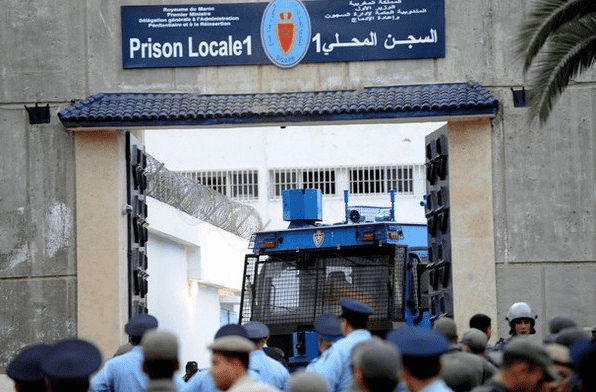
 Rabat – The Moroccan General Delegation for Prison Administration and Reintegration (DGAPR) and the embassy of Japan in Morocco signed an agreement on a project for the reintegration of young Moroccan detainees and the fight against violence on Wednesday, July 10.
The agreement between Morocco and Japan on the reintegration program also includes the signing of the United Nations Development Program (UNDP).
Fully funded by the Japanese government, the one-year reintegration project seeks to prevent violence and re-offending. It also aims to have a tangible impact both in prisons and in society, said a press release from the DGAPR.
Read Also; 24K Inmates Benefited from Reintegration Programs in 2017: Prison Administration
The strategy aims to humanize prison conditions, reintegration of prisoners, safety, and security of detainees.
The strategy also takes into account the environment, gender, and level of vulnerability.
UNDP will collaborate with DGAPR in the implementation of the strategy conditions.
The strategy benefited from the Japanese government’s grant, as well as technical support from the Rabita Mohammadia of Uelma [scholars] (RMP).
The program aims to ensure the rights of inmates in line with the international laws and regulations for detainees.
According to the UNDP, the DGAPR has “the necessary tools and skills to implement its strategy and monitor the prison population. UNDP also trusts DGAPR’s skills to mainstream the environment, gender and vulnerability.”
The project also includes a religious aspect to promote tolerance and the prevention of extremism in the prisons of Meknes, Sale, Kenitra, Agadir, Safi, and Fez.
Vocational training, which will allows inmates to find job opportunities after serving their sentences, is another part of the project.
The vocational training workshops includes carpet weaving and traditional sewing in the local prison of Bourkaiz in Fez, ceramic pottery at the Safi local prison, and tapestry in the Ait Melloul Local prison 2 in Agadir.
UNDP said that the first phase of the program was the project “Support to Reform the Prison System for Better Reintegration.”
The project, according to the statement, is part of the program to support the implementation of the 2016-è2018 DGAPR strategy in partnership with UNDP.
The project is a one-year initiative (2016-2017), which was fully funded by the government of Japan.
“The project allowed partnerships and exchanges of good practices at the international level,” according to UNDP.
The project also includes a religious aspect to promote tolerance and the prevention of extremism in the prisons of Meknes, Sale, Kenitra, Agadir, Safi, and Fez.
Vocational training, which will allows inmates to find job opportunities after serving their sentences, is another part of the project.
The vocational training workshops include carpet weaving and traditional sewing in the local prison of Bourkaiz in Fez, ceramic pottery at the Safi local prison, and tapestry in the Ait Melloul Local prison 2 in Agadir.


