 Join on WhatsApp
 Join on Telegram
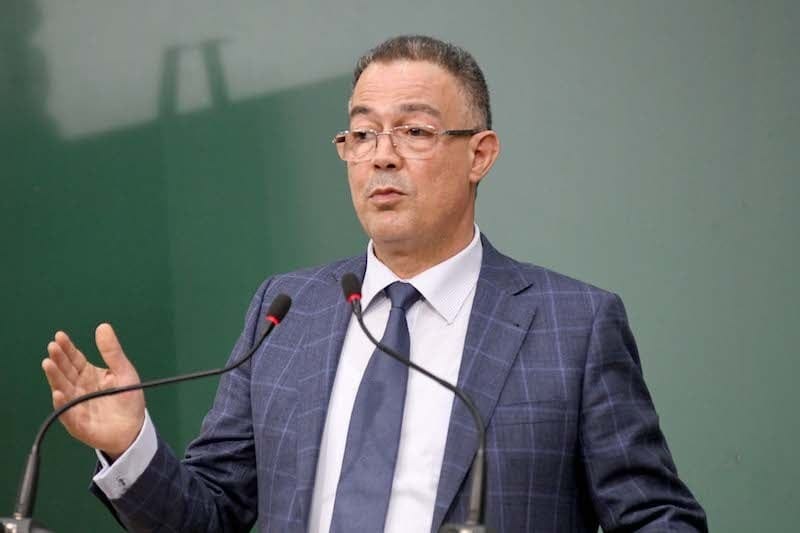
Rabat – The Moroccan government is set to reduce income tax, while simultaneously ensuring the continuity of social support programs, according to Fouzi Lekjaa, the Minister Delegate to the Minister of Economy and Finance in charge of the budget.
While addressing MPs on Tuesday, Lekjaa revealed that 78% of income tax is currently directly collected, with the remaining amount being paid voluntarily by taxpayers.
He emphasized that the government’s objective is to alleviate this burden on workers, especially those in the public and private sectors, and to improve tax efficiency.
“As agreed with our social partners, we intend to review the income tax laws in the next draft bill to ease the burden on employees,” said Lekjaa. “This will encourage more effective self-declaration of taxes by individuals.”
Lekjaa refuted claims that Morocco has one of the highest income tax rates in the Arab world, supposedly reaching 38%.
The actual tax rate stands at 22% when accounting for exemptions provided to certain categories of workers who do not meet the necessary tax brackets, he explained.
In addition, he highlighted that 80% of employees do not pay income tax because they are exempted and do not fall into taxable brackets.
The planned reforms aim to expand the tax base by targeting higher earners whose incomes sometimes rival corporate earnings, aligning with the principles of tax fairness.
Lekjaa detailed the government’s ongoing efforts to results without creating additional tax pressure.”
During the session, MP Saeed Shakir, from the Social Justice Group, called for a reduction of the maximum income tax rate to 30% to support the middle class and encourage savings.
He also urged the government to address the informal sector’s taxation and monitor the earnings of freelancers.
Shakir also recommended revisiting the tax rates for large-scale farmers and landowners, who currently benefit from minimal tax obligations.
In response, Lekjaa noted that only farmers with an income not exceeding five million dirhams are exempt from taxes. “All other farmers fulfill their tax obligations,” he assured.
Read Also: Tax Transformation in Morocco: A New Era for Fiscal Policy