


 Join on WhatsApp
  Join on Telegram
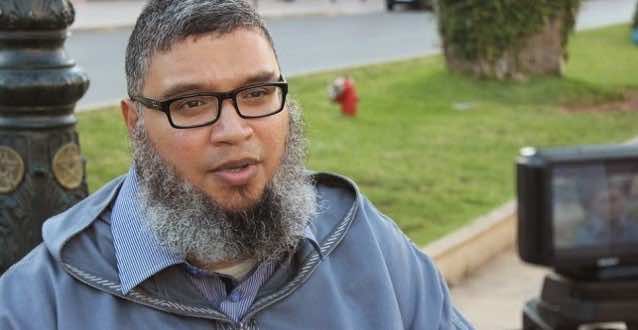
 Casablanca – Various Opinions Follow Marrakech’s Governor’s Controversial Decision to Reject the Nomination of Salafist Hammad Kabbaj.
Marrakech’s Governer’s decision last week to eliminate the Salafist nominee, Hammad Kabbaj, from the electoral race came as a shock to many observers. The letter sent to Kabbaj specified that the decision sprang from the conviction that Kabbaj’s discourse is extremist.
“The person concerned [Hammad Kabbaj] has publically expressed views that contradict with the democratic principles highlighted by the constitution,” the letter that Kabbaj received said. This worldview, continues the letter, is apparent in his “spreading of extremist thoughts that encourage discrimination and hatred, and instill grudge and violence in the Moroccan society.”
Kabbaj reacted to his exclusion from the election through an open letter to the king where he protested “the apparent injustice and immense humiliation.”
“If I were as the letter says, why did the authorities allow a dangerous person live freely and spread his thoughts and participate in conferences in different cities and countries for almost 20 years?” Hammad Kabbaj inquired.
Soon after the news of Kabbaj’s elimination, politicians and public figures have produced contrasting views. The former Salafist Sheikh, Mohamed Fizazi, has defended the Governor’s decision, saying that he is “in a better position to judge than us.”
The Salafist sheikh, who spent 9 years in jail for his extremist sermons, stated in a Facebook post:
“In this case, law and democracy are irrelevant. The issue is bigger than what we think. When it comes to the interest of the country, we can allow unlawful exceptions.”
The Moroccan Amazigh activist, Ahmed Assid, on the other hand denounced the calls to ban Kabbadj from the political scene and defended the Salafist’s right to participate in the election on October 7.
Assid noted, “Principally and constitutionally, no one has the right to prevent another citizen from participating in the elections,” adding that “the justifications provided by the Ministry of Interior are flimsy and unacceptable.”
The Moroccan Minister of Transport and Equipment, Aziz Rebbah, also denounced the decision to exclude Kabbaj in an interview:
“The law does not prohibit seculars, atheists, women or Salafists from participating in the elections […] if someone is dangerous for country, the state has the authority to judge him,” said the Minister.


