 Join on WhatsApp
 Join on Telegram
Rabat – The Ministry of Endowment and Islamic Affairs is working on expanding its anti illiteracy projects with new methodologies outlined in a new report released earlier this week.
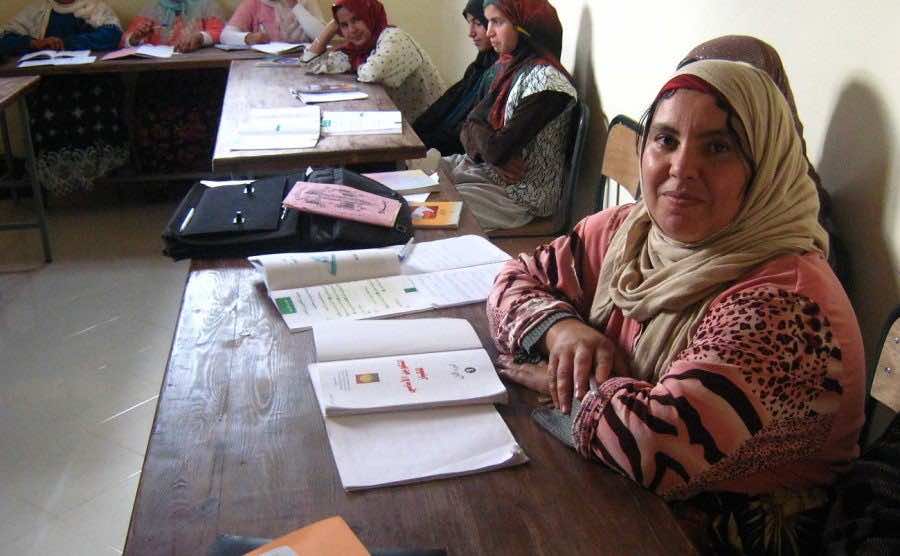
The ministry’s projects taking place in mosques have benefitted more than three million people since they launched twenty years ago, through its programs in mosques, and through television and the internet.
The ministry hopes to expand some of its annual projects, such as “1,000 Nuqta Qaria” (1,000 Literate Points), in hopes of preparing “villages, cities, and communes to be free of the illiteracy problem.”
According to data published by the ministry, 96.1% of the programs’ benefactors are women, with only 45% living in rural areas, posing questions about the social inclusiveness of the programs.
Read Also: Morocco’s Fight Against Illiteracy: Women Benefit More than Men
60% of people enrolled in the programs are also younger than 49 years of age.
The anti-illiteracy programs are aimed primarily at people who did not enroll in formal education or left it at an early age.
The ministry’s report puts forward an action plan to make necessary reforms based on the discovered data.
The action plan outlines an extensive plan, starting with changes to the educational curriculums and building a flexible system to be able to respond to changes.
The ministry seems focused primarily on bridging the gender gap and attracting more male students, despite ongoing social norms and stereotypes that stand in the way.
The report also states the importance of illiteracy programs in the formation of students to participate in the job market and open projects.