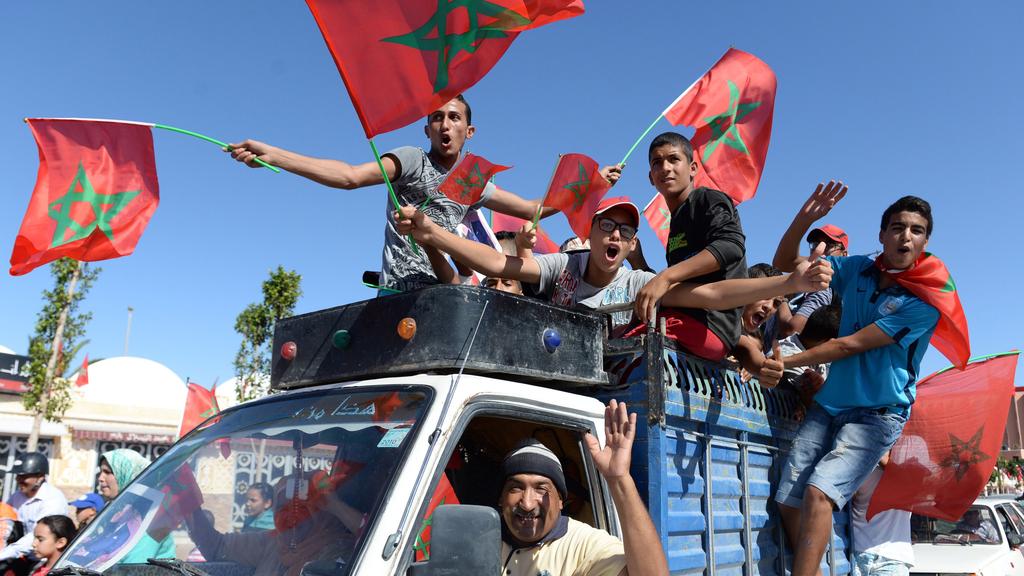
Rabat – What do you think these stereotypes about Moroccans are? Tea and coffee lovers? Gossipers in the cafes? Crazy drivers?
Throughout the world, non-Moroccans have formed opinions about Moroccans —some are misguided viewpoints and others are somewhat more accurate. Have you ever wondered what the world thinks about Moroccans? Here are the top 10 myths about Moroccans:
1. Moroccans are nomads roaming the desert on camels
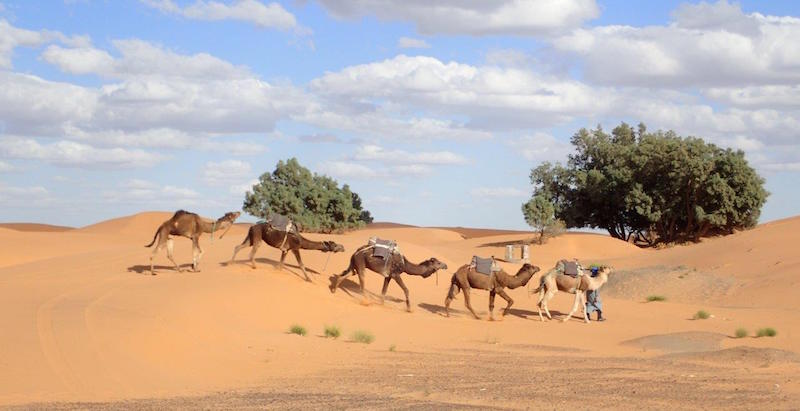
FICTION. To a certain extent, a journey to the south of Morocco will take you to panoramic views of the sand dunes in the well-known Sahara desert. Yet, that only pertains to the southern regions like Zagora and Merzouga, where you can camel trek over the dunes and witness nature’s wonders and the locals’ way of life. It is indeed an experience that is well worth the effort and attracts people from all over the world.
2. Moroccans live in a desert oasis surrounded by palm trees
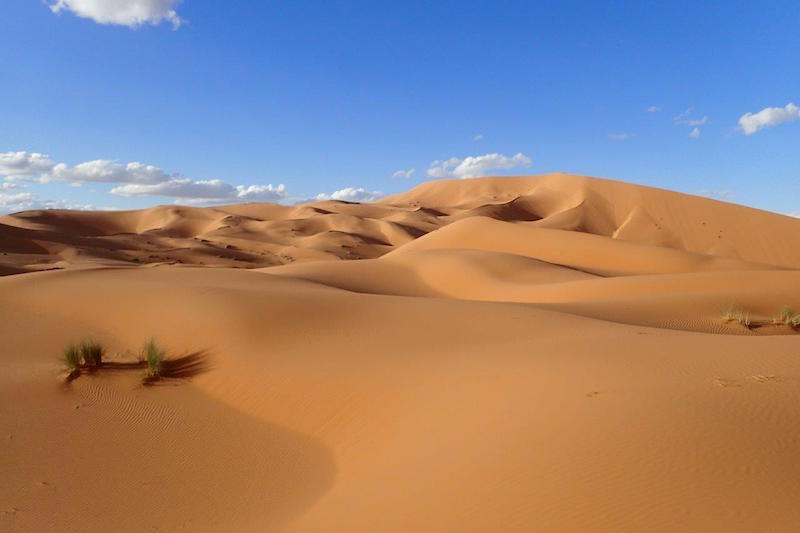
FICTION. Again, the southern part of the nation is what drives foreigners to paint Morocco with a single brush and think it is just a sandy exotic country with no industrial foundation. Though part of this stereotype is legitimate, one must realize that industrial cities like Casablanca, which is the largest city in the Maghreb and is also one of the largest and most economically and demographically important cities in Africa.. Indeed, leading Moroccan companies and international corporations have their headquarters and facilities in Morocco.
3. Moroccans are polygamists
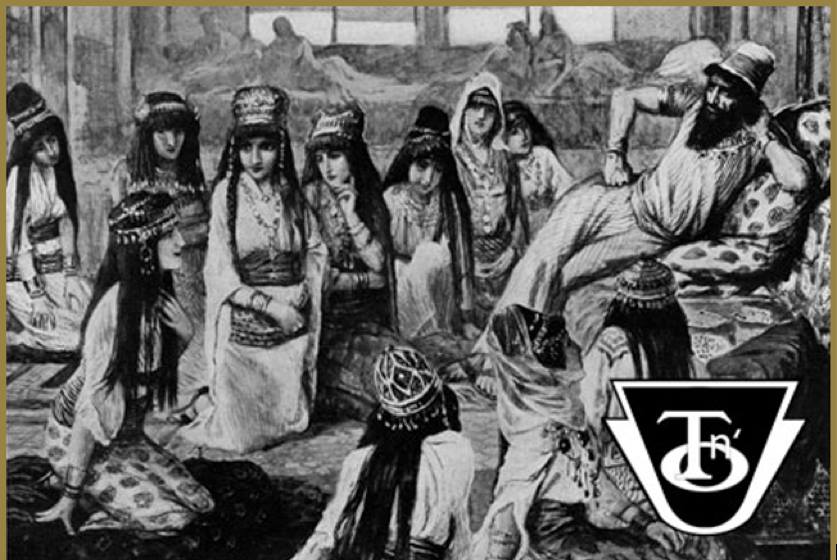
FICTION. Religion plays an important role in this stereotype. Owing to recent legal restrictions imposed by the government of Morocco and western influences, polygamous marriage is practically nonexistent nowadays. According to various reports from visitors, Morocco is actually said to be one of the least accepting of polygamy in the Muslim world.
4. All Moroccan Women Wear the Hijab
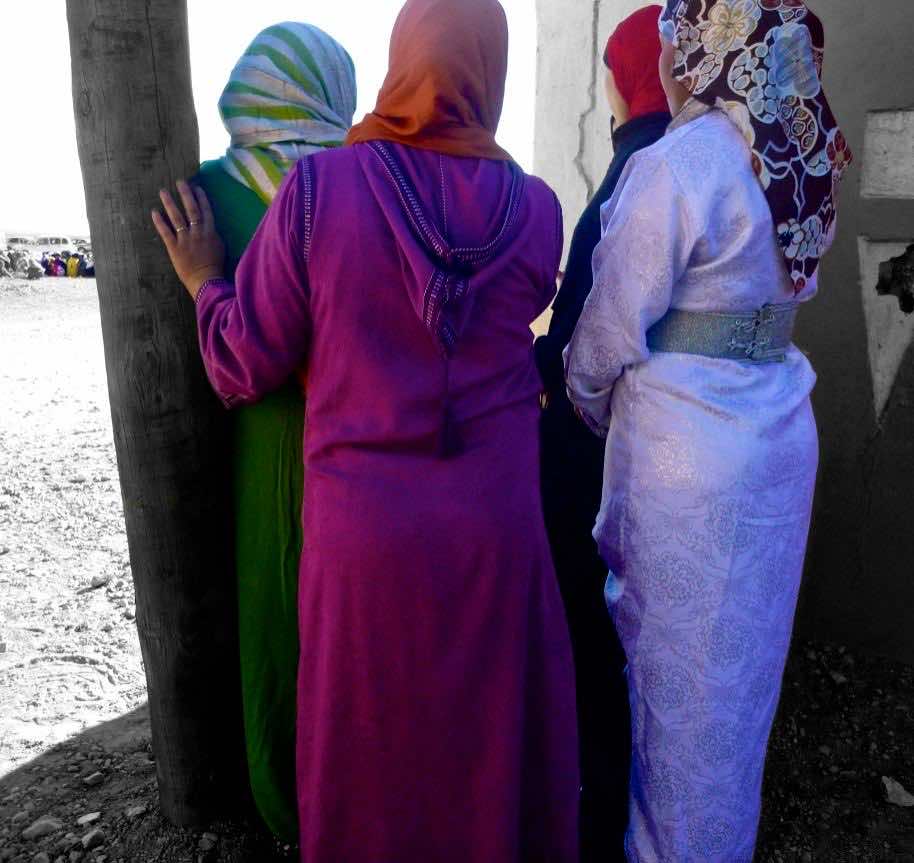
Due to the fact that it is on of the most liberal/westernized country in the Arab world, dressing modestly is the norm in almost all parts of the country to avoid attracting attention. In big cities, seeing someone wearing the hijab is as common as not seeing it. Although in rural areas it is more common.
In general, whether you are wearing the hijab or not, you are you have the legal freedom to make that choice. Part of wearing the hijab is fitting into the mold of traditional customs and as a sign of respect and faith. Moroccans coexist peacefully even if they don’t share the same perspective surrounding the hijab.
5. Moroccans always wear traditional clothes
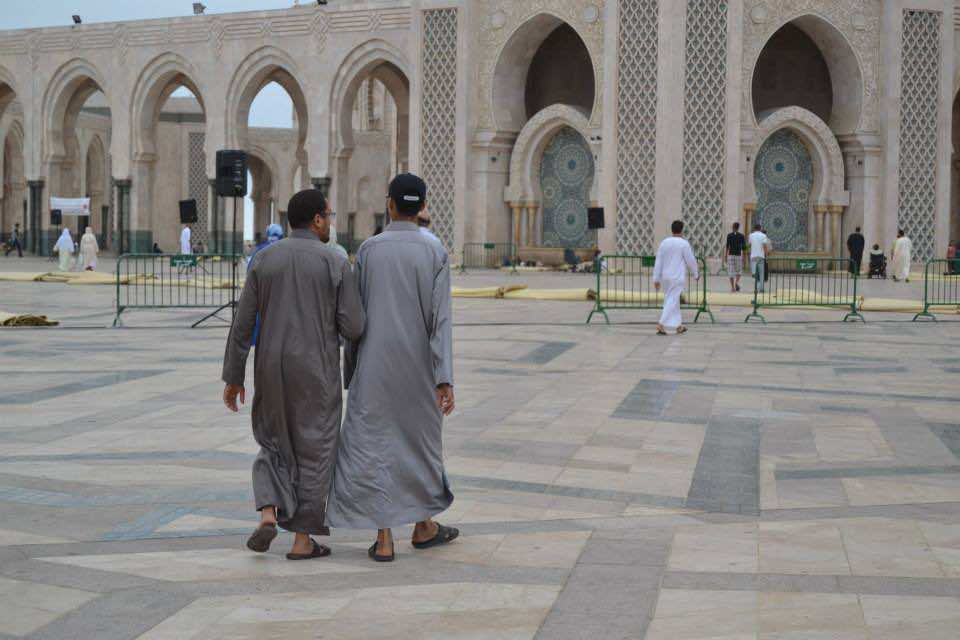
FICTION. Morocco is a country well known for its flamboyant outfits and its fascinating heritage. It is rich in traditions, culture, history, and religion. These factors affect the way Moroccans dress, but only to a certain extent. For example, many sophisticated or foreign-educated Moroccan women have adopted European fashion styles and have opted out of the conservative clothes in urban cities.
Of course, during special events, traditional clothes such as the caftan or djellaba are prevalent and are an important aspect of the culture. Although it is a Muslim-majority country, “western” women are not expected to dress like traditional native Moroccan women, as people in the capital and other major towns such as Marrakech are used to foreigners, and are therefore likely to be more liberal and more tolerant of western clothing.
6. Morocco is a patriarchal society
FICTION. There seems to be a common misconception that Morocco is a patriarchal society due to the fact that it is a Muslim-majority country. Recent socio-economic developments and rapidly changing lifestyles have shaken the foundations of a traditionally patriarchic society and led to a rise in matriarchal power.
Gender gaps have severely decreased and gender roles have been redefined. Women’s financial autonomy has rearranged the Moroccan social scene due to the fact that women are now as independent and have as many rights as men, stripping men of their historical superiority.
It is true that there are many things that this society needs to work on in terms of completely eliminating male dominance, but these immense changes taking place in Moroccan society recently are a big step toward achieving the goal.
7. Moroccans Can’t Speak Arabic
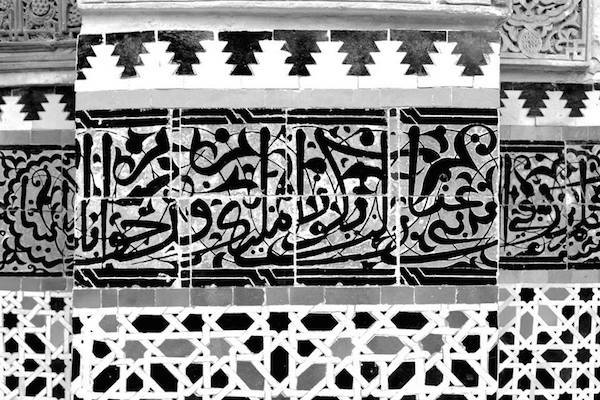
Moroccan Arabic (Darija) is based off of classical Arabic but was altered due to French, Spanish and English influences. Though it is somewhat different from other dialects, most Moroccans understand and speak conventional Arabic as it is widely taught in public schools.
8. Morocco is an unsafe country
FICTION. The Arab world is often labeled as violent and unsafe without acknowledging that there are regions that are far from conflicts and war. To this day, Morocco retains a stable political environment and is varied geographically, from the tourist-friendly resorts on the Atlantic coast to the exotic medinas in the interior cities. The recent peaceful protests in Rabat and Casablanca that was part of the Arab Spring did not inhibit or deter the safety of the nation as a whole.
9. Morocco is a poor country
FICTION. Morocco is defined as a developing country that has capitalized on low-cost labor to build a diverse, profitable market. Recent years showed impressive economic growth despite of the European economic slowdown in 2012.
The new infrastructure improvements are most visibly illustrated by a new port and free trade zone near Tangier which are improving Morocco’s global competitiveness. Although still engaged in the process of decreasing the rural poverty rate, Morocco remains the top destination for foreign investors in the Maghreb region.
10. Moroccans are racists
FICTION. Morocco is a melting pot of ethnic groups that include Berbers, Sub-Saharan Africans, Europeans, and many others. There is a lot of diversity and tourism in the kingdom, and hospitality plays a major role in the culture. It is an essential element to our culture to be warm and welcoming to foreigners.
For example, a commonly held belief is that a stranger would be fed and taken care of with the rationale that that same person offering the hospitality may have the same needs one day.
It is said that one of the best ways to dive into the Moroccan culture is to strike up a conversation with the person sitting next to you at a local cafe. A simple conversation could lead to a lifelong friendship after you leave Morocco.
Nonetheless, just like any other nation in the world, racism is still an issue that needs to be dealt with, especially regarding immigrants seeking jobs and opportunities.
© Morocco World News. All Rights Reserved. This material may not be published, rewritten or redistributed without permission.