 Join on WhatsApp
 Join on Telegram
Antananarivo – A Moroccan company has been entrusted with the mission of rehabilitating and restoring Madagascar’s Canal des Pangalanes, a 700-km canal that runs down the east coast of Madagascar.
Morocco is increasingly showing that its determination to play a leading role in South-South cooperation in Africa and show that its commitment to partnering up with other African countries is not mere rhetoric.
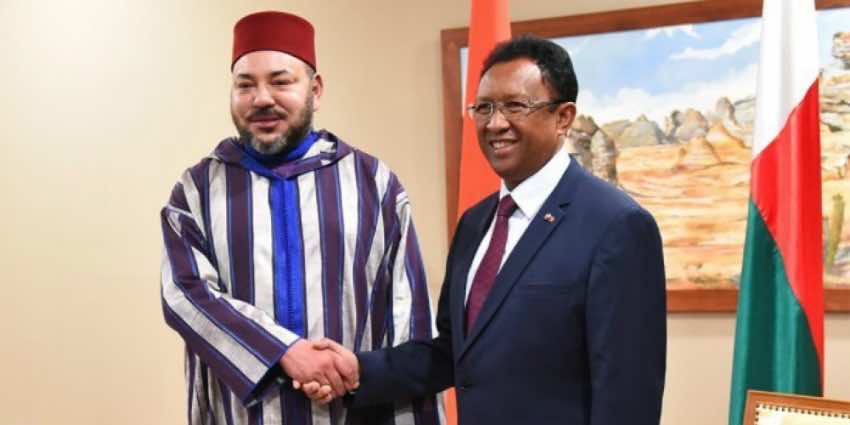
King Mohammed VI and the President of the Republic of Madagascar, Hery Rajaonarimampianina, chaired the signing ceremony of twenty-two bilateral cooperation agreements at the Presidential Palace in Antananarivo on Monday.
In line with the royal vision aimed at fostering south-south cooperation, these agreements involve different economic sectors and seek to reinforce partnership between the employers’ associations of both countries and ensure the legal frameworks governing bilateral cooperation.
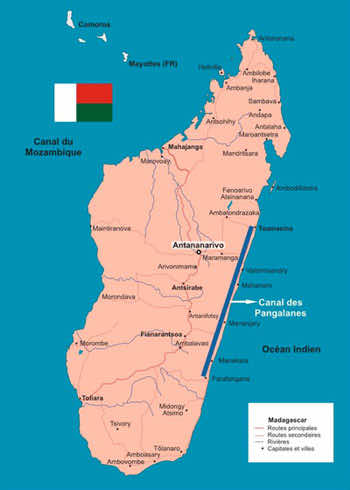 One of these agreements concerns the rehabilitation and preservation of the Canal des Pangalanes.
Said Zarrou, chairman of the board of Marshica Med Ltd, which signed a memorandum of understanding with the Malagasy party on the Canal des Pangalanes preservation project, underlined that Morocco, “thanks to the leadership of King Mohammed VI, has developed an expertise in developing large-scale environment-friendly territorial projects over the past several years.”
The Pangalanes Canal, which was built between 1896 and 1904, is a succession of rivers and lakes along the east coast of Madagascar from Tamatave to Faranfangana. The 700-km waterway is four times longer than the Suez Canal and eight times longer than the Panama Canal, and spans through a multitude of tourist agricultural and mining sites. The canal has a vital importance for the local population, which uses it as both a means of travel and a means of sustenance.
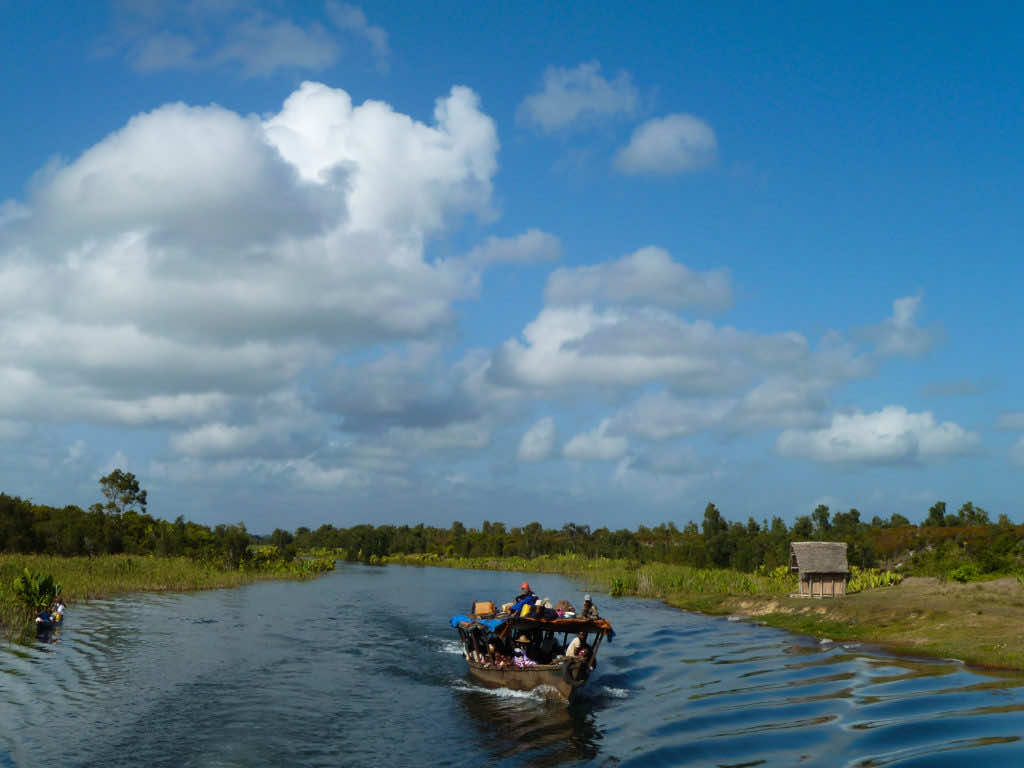
Zarrou also notes that this project concerns the setting up of tools for safeguarding ecosystems of sites adjacent to the said canal, mainly in relation with the ecological, agricultural, industrial, mining, port, urban, cultural and tourist sectors.
The chairman of the Marshica MED board also highlighted the “successful experience” of his company, noting that the Lagoon of Marshica was a laboratory to develop the necessary technical and institutional tools to manage this site on a long-term basis.
He added that this expertise, which covers the fields of urban management, transportation, liquid purification and water, is currently being shared with the Ivory Coast as part of the Cocody Bay project.