 Join on WhatsApp
 Join on Telegram
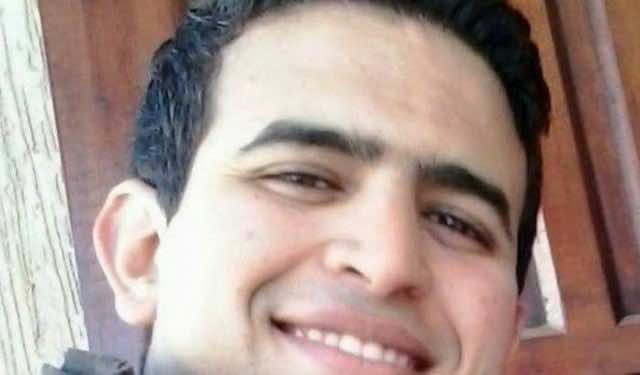
Rachid Kourss’s plane landed in Libreville, Gabon’s capital, on January 10 for a routine two month mission at the Gabonese and French international bank, BGFI Bank Group. What started as a routine mission, however, would soon turn into a nightmarish ordeal.
Kourss was an ambitious Moroccan computer engineer and project manager at the PayLogic electronic payment solution company based in Casablanca. In his late thirties, he suddenly found himself to be collateral damage in an international cyberattack on the BGFI Bank.
The young engineer used to travel regularly to Gabon where he worked on the integration of monetary solutions. On the night of February 4, while he was sitting in his hotel room in Libreville, Kourss got a call from his client, informing him that the BGFI Bank Group had been the victim of a massive cyberattack, robbing it of more than 3 million euros.
Should the bank have been expecting it? According to the emails Kourss sent to his mother company PayLogic, alerting them to suspicious activity in the BGFI system, the answer is yes.
A Disaster Waiting to Happen
On the 31st of January, three days before the attack, Kourss was running routine checks on the bank’s system when he noticed some unusual activity.He immediately alerted PayLogic via email. PayLogic then contacted the BGFI Bank’s Director General to warn them of a possible hacking attempt, warning them to take the necessary precautions. The bank, however, chose not to listen, disregarding the urgent warnings of both Kourss and Paylogic.
Returning to the night of February 4, VISA International’s monitors picked up massive withdrawals from the bank’s accounts from four countries; France, Germany, Luxembourg and Switzerland. By the time it notified the BGFI, it was already too late. 3 million euros went up in smoke.
The week following the attack, panic ensued.
Kourss, along with the bank’s IT team, ran their own investigation, working relentlessly to try and find the source of the attack. Their efforts would, in fact, pay off. Not only were they able to block the suspicious account, stopping the massive withdrawals that could have amounted to 20 million euros; Kourss also managed to identify the IP address of the possible perpetrator which, according to him, was operating from one of the bank’s other agencies and not the headquarters where he worked. He even pinpointed the countries from where the money was drawn, confirming VISA International’s warnings.
Moreover, their investigations uncovered that the bank’s system was a ticking time bomb; the attack had been long overdue. The hackers were eventually able to breach the bank’s firewalls, extorting millions of euros in their wake. Even VISA International had repeatedly warned the bank’s management of the critical situation of their networks and security, but their warnings had fallen on deaf ears.
Confronted with the massive loss, the BGFI Bank group resorted to enlisting help from the local authorities. The police picked up the case on February 10. On that same day, they arrested seven of the IT team members, including Rachid Kourss.
No Good Deed Goes Unpunished
“He was in the wrong place, at the wrong time,” said Lahcen Kourss, Rachid’s brother with a heavy sigh, when recalling his brother’s ordeal to Morocco World News.
One minute he was doing his best to help resolve the case and the next, he was incarcerated in a humid prison cell in Libreville, alone and thousands miles away from his home, family and country.
Fast forward two months and Kourss is still imprisoned for no legitimate reason other than working for the bank, and with no appointed hearing by the investigating judge. “As soon as I heard of my brother’s arrest, I took the first plane to Libreville,” recalls Lahcen. He will soon meet Abdellah Sbihi, Morocco’s ambassador in Gabon. Sbihi will meet with the Gabonese Minister of Justice to try and find a quick solution to the case. However, says Lahcen, “It’s been two months now, and my brother is still held prisoner.”
The Moroccan embassy in Gabon will “deploy all its efforts to help Rachid,” Lahcen told Morocco World News, but the case is advancing at a painfully slow pace. “Rachid’s lawyer didn’t have access to his case file until April 5, nearly two months after his incarceration!”
Albert Bikalou, the lawyer hired by PayLogic to defend Kourss, had to make considerable effort just to access his client’s file. Since his arrest, Kerouss had been virtually secluded in Gabon’s local prison until the involvement of the Moroccan embassy. According to Lahcen, they have visited Rachid several times a week to keep him updated on the case and to offer him moral support during these difficult times.
For the time being, with the culprits yet to be identified, it is Kourss and his colleagues who are paying the price of this attack. More than a dozen of the Bank’s employees have been arrested along with the engineer in the wake of the Gabonese police investigation, which is accusing them of “association with perpetrators” and “complicity of aggravated theft.”
The BFGI Bank’s Director General tried to flee the “crime scene” in the aftermath of the cyberattack. He was arrested, however, as soon as his plane landed in Madagascar.
While Sbihi has assured Kourss’s family that the Moroccan embassy is closely following his case, they still don’t have any clearance to intervene in the case that now lays in the hands of the Gabonese Justice.
Today, the Kourss family is concerned about the case’s slow progress and the conditions of his “difficult” incarceration. “We barely have any visibility into case to simply ask for a temporary release!” Lahcen said, , adding that they still have not managed to get any hearing with the investigating judge.
The case has dragged on because local authorities are refusing to close their investigation until they have integrated all the new elements. Then they will judge the case and possibly release those who have been detained.
Guilty until proven innocent
“We looked for help everywhere we could,” recalls Lahcen, “we’ve sent emails to the Ministry of Justice, the Ministry in charge of Moroccans Living Abroad, we’ve even sent a letter to the Royal Cabinet, in hopes that His Majesty will get involved in the case and help my brother.” Rachid’s family is desperate. Two months after his incarceration, his lawyer still cannot obtain a provisional release for his client.
For now, Kourss’s family has no other option but to wait. This is no easy endeavor when a loved is imprisoned miles away from home. They are hoping that their letter to King Mohammed VI will find its course, and that the excellent relationship between him and the Gabonese President will play in favor in Rachid’s case.