


 Join on WhatsApp
  Join on Telegram
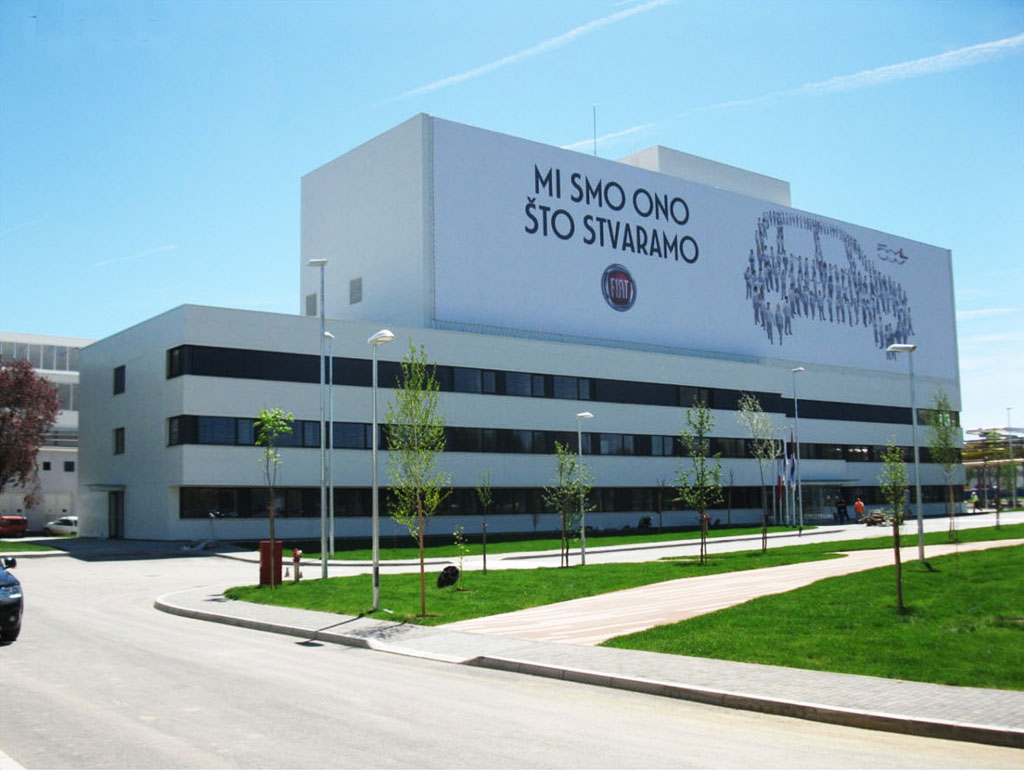
 Marrakech – Eight hundred workers from Morocco and Nepal will be employed at the Fiat factory in Kragujevac, Serbia, according to Serbian media reports. This decision comes as the factory struggles to find local workers willing to accept the offered wages.
According to Serbian Television Kragujevac, City Councilor for Economy Radomir Erić confirmed the planned importation of foreign workers. The factory is moving forward with this plan despite approximately 9,000 unemployed people in Kragujevac.
Jugoslav Ristić, the long-time leader of the Independent Trade Union of Kragujevac and the Zastava Oružje factory, explained that the arrival of foreign workers is no surprise.
“It’s clear that workers from abroad will come, because for those wages, which are slightly more than RSD 70,000 ($663), people in Kragujevac are obviously not interested, as they cannot survive on that,” Ristić told the Beta agency.
The average salary in Serbia is around RSD 108,000 ($1,022), while in Kragujevac it is several thousand dinars lower. At the Fiat factory, workers can earn about RSD 90,000 ($852), but only if they work every Saturday, exceeding the standard 40-hour workweek.
Ristić noted that Morocco, with 37 million inhabitants, has a GDP more than three times smaller than Serbia’s. This economic disparity makes Serbian wages potentially attractive to Moroccan workers despite being considered insufficient by locals.
Read also: THAMM Plus: Italy Recruits Moroccan Professionals in Mechatronics
This is not the first time Fiat has brought in foreign workers to its Kragujevac plant. The company previously employed Italian workers, paying them significantly more than Serbian workers – approximately €100 ($108) per day.
Goran Milić, president of the regional committee of metalworkers for central Serbia from the Independent Trade Union, stated that domestic workers hired at Fiat typically stay only a few days before leaving, likely due to the low wages.
Ristić believes the situation reflects broader economic policies. “Our politicians long ago proclaimed that the number of our people leaving Serbia to work in the West should be equal to the number of those coming from abroad. The message is that Serbia must remain a zone of cheap labor. This is the policy of multinational companies, which our government supports,” he said.
In a similar case, a plan to bring 80 Filipino welders to the “Wacker Neuson” company in Serbia fell through due to tax issues. The company had expected foreign workers would pay only ten percent tax, which the state did not permit.
Local Serbian welders typically earn about €2 ($2.16) per hour, while the same work abroad pays around €8 ($8.64) per hour, explaining the ongoing exodus of skilled Serbian workers to Western countries.


