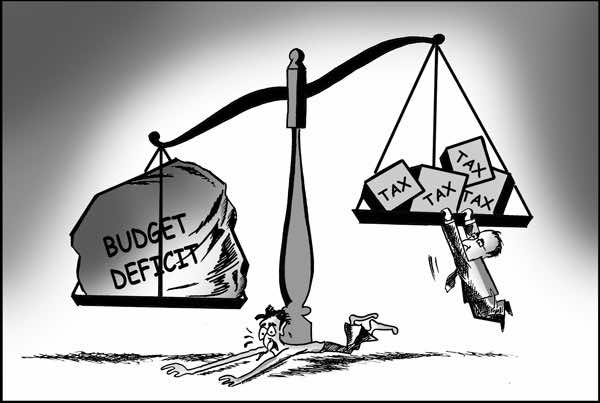
Rabat – Morocco’s treasury faced a budget deficit of MAD 20.2 billion in the first seven months of 2018, according to TGR.
The treasury’s spending and income created a larger deficit than the same period last year, when it was MAD 18.2 billion, the General Treasury of the Kingdom (TGR) reported in its July 2018 bulletin of statistics of public finances.
The deficit reflected a negative balance of MAD 15.9 billion generated by the special treasury accounts (CST) and autonomously managed state institutions (SEGMA).
The bulletin also showed that the government’s regular revenue for the period stood at MAD 158.9 billion, up from MAD 133.7 billion at the end of July 2017, an increase of 18.8 percent. The increase takes into account an exceptional payment of MAD 24 billion from a special trust account named “Special Account for GCC Countries Donations.”
Apart from the special payment, regular revenue rose by 0.9 percent, caused by the increase in non-tax revenues by 202 percent, customs duties by 12.8 percent, and indirect taxes by 5.5 percent. The increase was tempered by a drop in direct taxes by 2.2 percent and registration and stamp duties by 1.8 percent.
Lower debt burden decreased spending
General spending decreased by 4.7 percent to MAD 180.9 billion in the first seven months of 2018, due to a 27 percent decrease in the budgeted debt burden, combined with an increase in operating costs by 2.9 percent and investment expenditures by 3.1 percent, according to TGR’s bulletin.
Spending commitments, including those not subject toprior approvals of spending approval like investments, amounted to MAD 307.5 billion in the period. ”
The decrease of the budgeted debt burden is due to a 42.9 percent decline in principal repayments (MAD 17.7 billion instead of MAD 31 billion) and a 0.9 percent increase in debt interest (MAD 17.8 billion against MAD 17.7 billion), according to the same report.
The revenue from special treasury accounts in the period reached MAD 50 billion. The figure takes into account MAD 12 billion in transfers from the common expenses of the general investment budget and the “re-entry” of MAD 447 million in donations from Gulf countries.
Earlier this month, research group Fitch Solutions predicted Morocco’s budget deficit would decrease over the next 10 years. The group’s August 2 report stated, “Morocco’s current account deficit will narrow gradually over the coming decade thanks to strong exports of manufactured goods and tourism services.”
At the same time, the kingdom has recently proposed measures that would increase its spending commitments. On August 20, a ministerial council attended by King Mohammed VI approved a draft bill to conscript young Moroccans for a year of military service.
If enacted, the bill could reduce the country’s tax base as young Moroccans leave the workforce for 12 months and would incur the cost of making payments at the completion of the year.