 Join on WhatsApp
 Join on Telegram
Rabat – As foreign companies continue to explore opportunities in Morocco’s southern provinces, the separatist Polisario Front and its dwindling cohort of global advocates are growing desperate to halt this momentum before it gathers more steam.
As part of its lobbying attempts, the Western Sahara Resource Watch (WSRW), a pro-Polisario advocacy group, had again taken issue with the momentum Morocco is gaining in terms of investment interests from a number of foreign companies seeking to invest in North Africa.
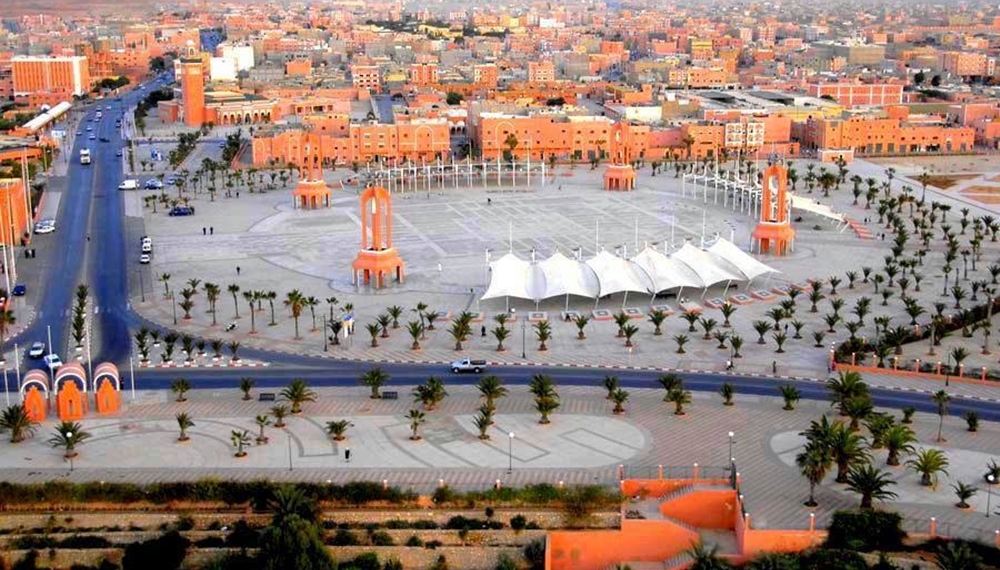
In its latest statement published yesterday, WSRW criticized Gedia, a French public company that is 51% owned by the city of Dreux, for considering developing solar and wind energy production infrastructures in Dakhla.
Earlier this year, Dakhla and Druex signed a friendship pact in line with the growing bilateral relations between France and Morocco.
This comes as the two countries have signaled their shared determination to strengthen relations following Paris’s newfound embrace of Morocco’s sovereignty over its southern provinces in Western Sahara.
The French government has been promoting investments in the region since it confirmed its newfound position last summer, a development that does not sit well with Polisario and its supporters, such as Algeria and WSRW.
‘The beginning of a great story’
Le Parisien reported in July that Gedia is preparing to test in Dakhla a world-first technological innovation linking agriculture, aquaculture, and environmental preservation.
“This experimental project is still confidential in its details, and is currently the subject of a funding request with the French embassy,” Le Parisian said.
Pierre-Frederic Billet, the mayor of Dreux, conveyed the city’s interest in the numerous opportunities on offer in Dakhla.
“We are at the beginning of a great story,” he concluded.
France has vowed to continue backing Morocco’s position at all levels, including international forums.
The French Development Agency, in May, announced that it will invest $167 million in southern provinces within the 2025-2026 period.
AFD chief Remy Rioux announced the plan during his visit to Morocco in May, with plans to see projects spanning fields like water and socio-economic development programs.
Southern provinces, which offer a wealth of opportunities, particularly in agriculture, fisheries, and renewable energy, are catching the interest of international investors.
In August, a report by the website Africa Intelligence indicated that the US had pledged to support the inclusive growth of the southern provinces.
Trump’s administration is preparing to encourage American companies to invest in Morocco’s southern regions, the report said.
It further suggested that the US Development Finance Corporation had received a green light from Washington to search for projects in the region.
Beyond the US and France, UK MPs have also been urging their country to invest or explore investments in the region.
With the British government having recently endorsed the Autonomy Plan as a serious and credible framework to end the Sahara dispute, many believe it is a matter of time before it also joins France and the US on the Sahara investment front.
Desperate Polisario resorts to terrorist threats
The positive momentum Morocco’s Autonomy Plan has relentlessly gathered in recent weeks, months, and years has remarkably shaped the diplomatic consensus, frustrating the Polisario and Algeria as more observers, diplomats, and governments embrace the Moroccan position as the most viable and the only path to genuine solution.
Polisario has typically responded to this deepening momentum by issuing terrorist threats. The separatist group, which faces an international appeal to be labeled as a terrorist group, has for years warned foreign investors against investing in the Western Sahara region in southern Morocco.
In May, members of the Polisario leadership, including Mustapha Sidi Ali El Bachir, conveyed the separatist group’s latest such terrorist threats. Foreign investors and tourists visiting southern provinces are “in great danger,” the group’s leadership noted.
Meanwhile, Ali El Bachir appeared in a YouTube video on May 1, threatening those living in Morocco’s southern provinces not to work with foreigners.
“Let the Sahrawi stay away from foreigners and not come telling us they’re civilians or innocent. This is not a tourism context, but a wartime context,” he said.