 Join on WhatsApp
 Join on Telegram
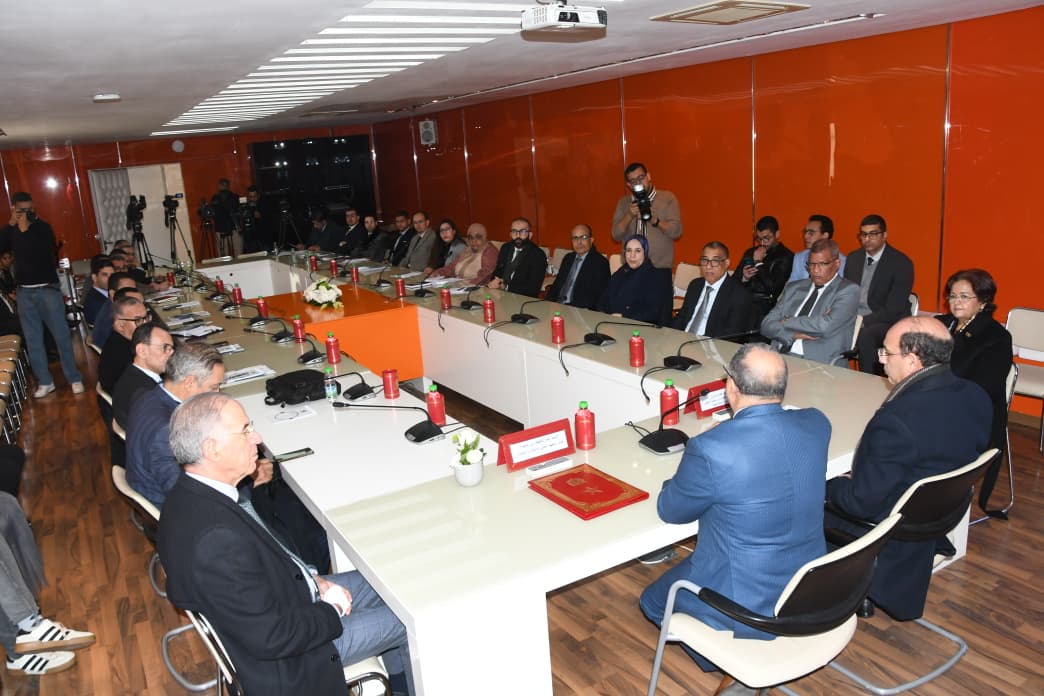
Morocco’s Public Prosecution launched its third training session for 230 spokespersons from public prosecutor’s offices across the country on Monday in Rabat. The five-day program focuses on media relations management and digital communication techniques.
The joint initiative between the Presidency of the Public Prosecution and the Higher Institute of Information and Communication (ISIC) runs from December 1-5. The training aims to equip participants with essential modern skills for effective institutional communication with various media platforms and digital audiences.
Prosecutor General Hicham Balaoui addressed the opening ceremony, stressing the session’s objectives. “The goal of these training sessions is to enable magistrates designated as spokespersons to acquire the main techniques and mechanisms for interacting with the media,” he stated.
He added that the training would develop their capacity to use digital communication tools to inform public opinion about cases and events of local and national interest.
Balaoui explained that appointing prosecutor’s office spokespersons aligns with implementing the new Criminal Procedure Code, which takes effect on December 8. The new code requires each prosecutor’s office to have its own spokespersons.
The training session forms part of the Public Prosecution’s strategic plan to strengthen communication between prosecutor’s offices and public opinion, according to Balaoui.
ISIC Director Abdellatif Bensafia described the program as part of a strategic orientation to provide public prosecutors with professional communication mechanisms for media and public interaction.
“This training will enable them to strengthen their skills in clarifying facts, sharing information, and opening dialogue channels with public opinion,” Bensafia noted.
He pointed out that the Public Prosecution now maintains a significant media presence, calling this development an important achievement that grants the institution a special place in information and communication.
The program covers spokesperson missions and functions, journalistic writing and editing, digital communication, and media training.
The curriculum employs an interactive approach combining theoretical presentations, practical exercises, case studies, and intensive practical sessions in the institute’s radio and television studios.
The hands-on studio work allows participants to simulate real media working conditions and gain field experience.
More than 230 judicial officials and their deputies from public prosecutor’s offices nationwide will benefit from the training, reflecting the growing importance the Public Prosecution places on enhancing its personnel’s institutional and media communication capabilities.
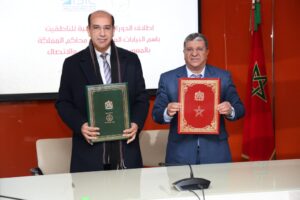
The opening day featured the signing of a partnership agreement aimed at strengthening joint work in training, research, and organizing shared events on topics of mutual interest.
MWN with MAP
Read also: Morocco 2026 Finance Bill Plans MAD 4.5 Billion Justice System Revamp