


 Join on WhatsApp
  Join on Telegram
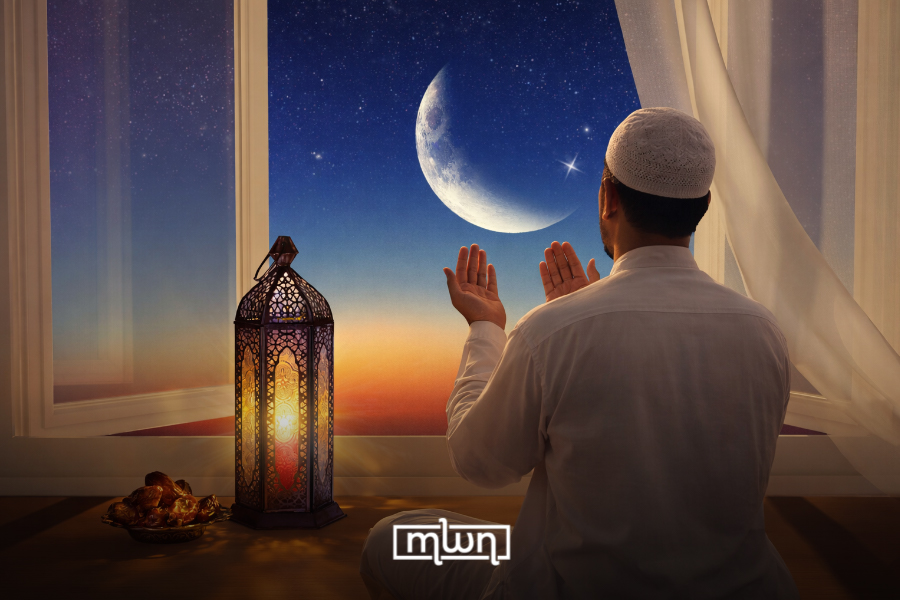
 Marrakech – Qatar Calendar House announced that Ramadan 1447 AH is expected to begin on Wednesday, February 18, based on precise astronomical calculations. The crescent of Ramadan is forecast to appear on Tuesday, February 17, at 3:02 p.m. Doha time, with the moon setting one minute after sunset on the sighting day.
Executive Director Faisal Al Ansari confirmed these calculations while stressing that the official start remains under the authority of the Crescent Sighting Committee at the Ministry of Awqaf and Islamic Affairs. The lunar month typically lasts 29 to 30 days, depending on when the crescent moon is sighted.
As of recent estimates, Qatar’s population reaches approximately 3.1-3.2 million people. Expatriates constitute 88-89% of residents, while Qatari citizens account for 11-12% of the total. This demographic pattern indicates Qatar’s reliance on a large foreign workforce from Asia, the Middle East, and beyond.
Despite its demographic diversity, Qatar remains firmly rooted in tradition – nowhere more visibly than during Ramadan, when public life reflects the country’s conservative and deeply Islamic character. The holy month transforms the country as it slows down during daylight hours, with modified timings for malls, workplaces, restaurants, and cafés.
Traditional celebrations begin even before Ramadan starts. Two weeks prior, Qataris observe Al Naflah on the 14th day of Sha’ban, when families prepare traditional food platters to share with neighbors and the poor.
The fasting period begins at sunrise after completing suhoor, the pre-dawn meal. Iftar marks the end of daily fasting at sunset, announced by the firing of Ramadan cannons. These cannons can be witnessed at Souq Waqif, Lusail Boulevard, Katara Cultural Village, Muhammad Ibn Abdul Wahhab Grand Mosque, and Souq Al Wakra.
Ramadan dining features specific traditional dishes that grace Qatari tables. Harees, made from pounded meat with wheat, olive oil, and cinnamon, remains a staple. Al Thareed consists of crispy flatbread layered with lamb, chicken, or vegetable soup. Al Luqaima, fried dough covered in sugar syrup flavored with rose or orange blossom water, provides a sweet conclusion to iftar meals.
The 14th day of Ramadan brings Garangao, an exclusively Gulf tradition celebrating children. Families gather for ghabga dinners and distribute mixed bags of nuts, sweets, sugared kernels, and candies to neighborhood children who sing traditional “Gara” songs throughout the night.
Qatar offers numerous Ramadan experiences during the holy month. The Ministry of Culture hosts family-friendly activities at Darb Al Saai in Umm Salal Muhammed, featuring traditional crafts, games, and food. Luxury hotels present elaborate Ramadan tents with buffet spreads, while charity drives organized by Qatar Charity encourage community giving.
Evening activities flourish after iftar. Car parades showcase modified vehicles at Katara Cultural Village and Lusail Boulevard. The Throwback Food Festival runs from February 17 to March 19 at Old Doha Port. Ramadan night markets operate at The Pearl-Qatar and Katara Cultural Village, where residents shop for traditional abayas and thobes.
The holy month concludes with Eid celebrations, marking the end of fasting and beginning of festivities throughout Qatar.


