Rabat – The Libyan High Council of State has welcomed the results of the November 23-28 talks between members of the House of Representatives in Tangier, Morocco.
A total of 123 Libyan MPs participated in the dialogue as part of the process to end the Libyan crisis, according to Morocco’s state media.
In parallel, the Libyan council also welcomed an agreement to hold a meeting of the House of Representatives in the city Ghadames, 740 kilometers from Tripoli.
Libya’s High Council of State stressed the need to hold the upcoming meeting as a necessary step to end divisions in Libya and unify institutions.
The meeting of the Lower House is set to take place as soon as Libya’s MPs return to their country. Its agenda aims to decide on “everything that can put an end to the situation of division,” according to a press release that followed the last session in Tangier.
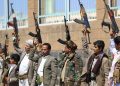
President of the Libyan House of Representatives Aguila Issa Saleh chaired the first session of the Tangier talks, casting supporters of the Libyan National Army (LNA) and its leader Field Marshal Khalifa Haftar, and the Tripoli-based High Council of State. The participating MPs came from a variety of political backgrounds.
In addition to the recent meetings in Tangier, Morocco hosted three sessions of inter-Libyan dialogue in Bouznika, near Rabat, from September to November.
The sessions in Bouznika led to “important understandings,” particularly a number of agreements on appointments for sovereign leadership positions.
Morocco has called on several occasions for a Libyan-Libyan dialogue, away from external agendas that do not serve the needs of Libya’s people.
During the Tangier dialogue, Morocco’s Foreign Minister Nasser Bourita emphasized the country’s “strong belief” that deepening the domestic dialogue is the only way to meet the expectation of the Libyan people and to achieve stability and development.
The Libyan MPs expressed in Tangier their readiness to work with the results of the dialogue process in compliance with the constitutional declaration, its modifications, and the Libyan Political agreements.
The conflicting parties also vowed to hold presidential and parliamentary elections within a constitutional framework. Elections will take place next year on December 24, marking Libya’s Independence Day.