Morocco’s Council on Probity, Prevention and Fight against Corruption (INPPLC) has warned of the amplifications of the COVID-19 crisis on corruption.
The Council’s statement came in a letter outlining the situation of corruption and its development in Morocco throughout the year 2019, which the council published on January 6, National Anti-Corruption Day.
“Corruption, with its advances, constraints, and resistance to change is at the forefront of the factors that undermine the foundations of the rule of law, promote nepotism, and call into question equal opportunities and an equal distribution of wealth,” asserts Mohammed Bachir Rachdi, president of the national anti-corruption council, in the probity letter.
The Council’s letter states that efforts to fight corruption in Morocco have stagnated for more than 15 years. In the Council’s report on 2019, published in September 2020, INPPLC references Transparency International’s 2018 Corruption Perceptions Index (CPI), which ranked Morocco 73rd in the world, out of 180 countries, gaining eight places and three points compared to 2017.
However, Morocco did not maintain this improvement. In 2019, Morocco’s ranking declined by seven places, placing the country 80th out of 180 countries worldwide. During the same year, Morocco obtained a score of 41 out of 100, a drop from 43 the previous year.
The data INPPLC references are in line with those Transparency International and Afrobarometer published in July 2020. In the 10th Global Corruption Barometer-Africa, the two entities reported that 53% of Moroccans believe corruption has increased in the past year and 74% believe their government was doing a poor job of tackling corruption.
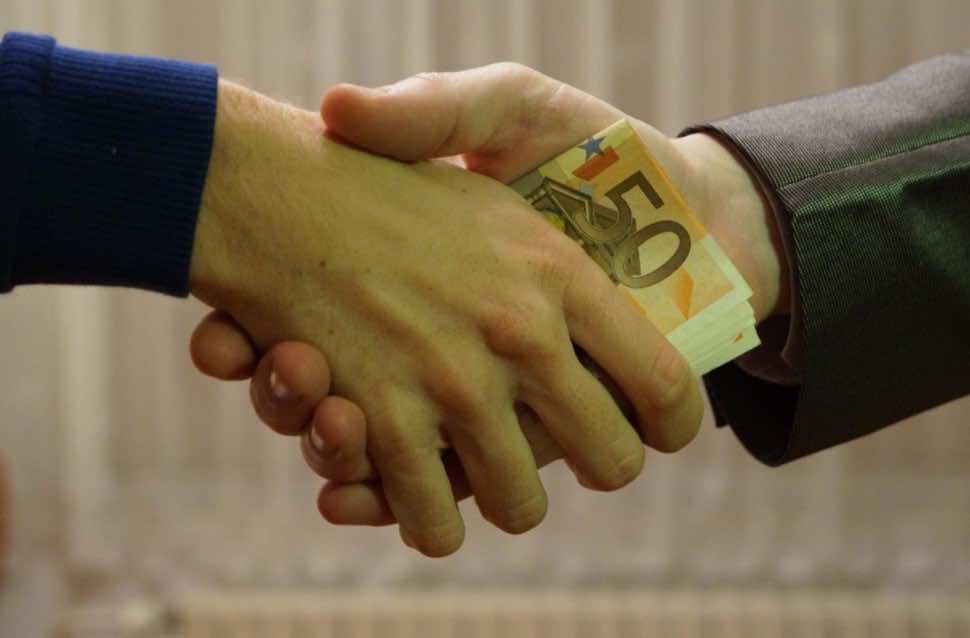
In addition, 31% of public service users said they had paid a bribe between 2018 and 2019. Citizens who participated in the survey reported experiencing instances of bribery in three public institutions: 32% in hospitals, 6% in schools, 31% from police officers, highlights Transparency International.
Statements by government officials echo the widespread experiences of corruption. In a 2018 commentary, Head of Government Saad Eddine El Othmani noted that corruption wastes approximately 7% of Morocco’s GDP every year.
Morocco’s fight against corruption faces new challenges due to the consequences of the COVID-19 health crisis, explains INPPLC’s Rachdi. Ensuring greater transparency and accountability is critical in a time of large-scale urgent spending, fast government decisions, and increasing social and economic vulnerability, he says.
The current economic crisis risks amplifying corruption in its known forms and generating new ones, warns the council’s president. The INPPLC, in partnership with the Department of Administrative Reform, plans to launch a study in 2021 with United Nations Development Programme (UNDP) financing to trace the evolution of corruption during the COVID-19 health crisis.
The study will aim to identify the new forms of corruption generated by the context of the pandemic, as well as their extent and impact on citizens, businesses, and the country’s economy.
Morocco faces the challenge of making transparency and responsible governance the foundations of its new development model and pillars in fostering citizens’ trust in their national institutions, the report underlines.