


 Join on WhatsApp
  Join on Telegram
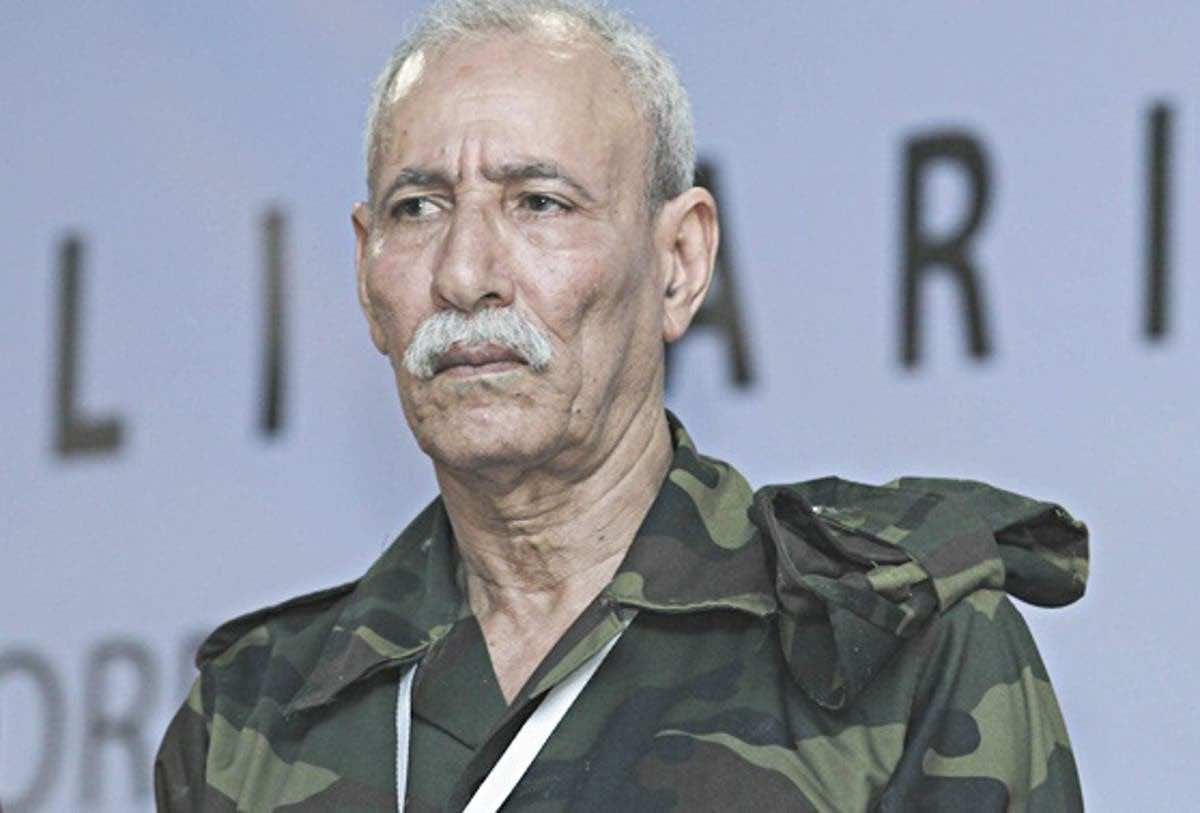
 Rabat – Fouad Yazourh, the ambassador director general of political affairs at the Moroccan Ministry of Foreign Affairs, has called for a transparent investigation into Polisario leader Brahim Ghali’s case.
Yazourh said on Saturday that an investigation should shed light on this affairs, emphasizing that the inquiry may “reveal many surprises, in particular the complexity and interference by four generals from a Maghreb country.”
Local media said that the four generals the official is pointing to are the senior Algerian military officers who helped Ghali to travel to Spain under fake identity and passport.
The official said that this information should not be shocking to Moroccan and Spanish public opinion alike.
“Don’t be surprised. As you know, Moroccan services are among the best,” he said.
The official acknowledged that it was Morocco’s intelligence that detected Ghali’s presence in Spain on April 19.
“Many, including the media and the authorities, questioned this information, before confirming it 24 hours later,” he said.
The ambassador emphasized that Spain’s decision caused damage to the Moroccan-Spanish partnership.
He deplored Spain’s decision to host Ghali despite all of the crimes he has been invovled in, including disapperance of Spanish nationals, rape, and torture.
The official said Spain must first explain to its own public opinion before explaining to Morocco the conditions, circumstances, and complicity that led to the illegal entry of Ghali into Spanish territories.
Read also:Morocco’s Ambassador to Spain Opens Up on Brahim Ghali Situation
Spain allowed Ghali to enter Madrid using forged documents and a fake passport. The situation caused a rift with Morocco, and the North African country demanded that the Spanish government provide convincing justifications for its decision to welcome the Polisario leader.
Spain responded that its action was motivated by “humanitarian reasons” and maintained that such a “humanitarian gesture” should not affect relations between Rabat and Madrid.
Following this week’s migratory crisis in Ceuta, however, the Spanish government and media were quick in blaming and attacking Morocco for deliberately relaxing its border control to “blackmail” Spain.
Morocco responded to the criticism by emphasizing that the ongoing crisis between Rabat and Madrid is not due to irregular migration but to the European country’s decision to host Ghali.
Moroccan Foreign Affairs Minister Nasser Borita said that Morocco does not “need to be graded by Spain nor its media,” arguing that 99% of the work to tackle Spain-bound irregular migration is done by Moroccan security services.
Bourita stressed that Morocco does all work thwarting EU-bound irregular migration attempts without even receiving 20% of the cost from Europe


