Rabat – As the Maghreb begins recovering from the COVID-19 pandemic, Sahrawi people living in Morocco are doing considerably better than their Algeria-based brethren.
In an article for Gilmore Health News, Robert Miller highlights the plight of Sahrawis living in the Algerian Tindouf Camps, especially compared to the Sahrawis living in Morocco’s Western Sahara.
“Of the political and socioeconomic markers of better living standards, clear disparities will be noticed in the health care status” between Morocco’s southern territories and the Algerian-controlled Tindouf camps, explains Miller, adding that “the COVID-19 pandemic tipped the scales in Morocco’s favor.”
The Algerian healthcare system was under extreme duress already long before COVID-19 arrived in the North African country, and by the time a “flare-up” hit the country in November, “the whole system was completely overwhelmed.”
Miller highlights Algeria’s shortage of beds, ventilators, and other medical supplies, as some of the country’s most debilitating issues. “Algerian hospitals were often referred to as ‘mouroirs’ meaning, ‘a place of dying’,” he explained.
Reflecting Algeria’s ongoing struggle to provide ample healthcare to its citizens is the fact that the country ranks 173rd out of 195 countries in the Global Health Security Index.
Read also: UN: Algeria Responsible for Human Rights Violations in Tindouf Camps
On the other hand, Morocco’s healthcare system ranks 68th in the same index, making it the fourth-highest ranked country in Africa. Despite the fact that the country’s healthcare still faces some problems, the Moroccan government has made efforts to alleviate the worst consequences that have come from the pandemic.
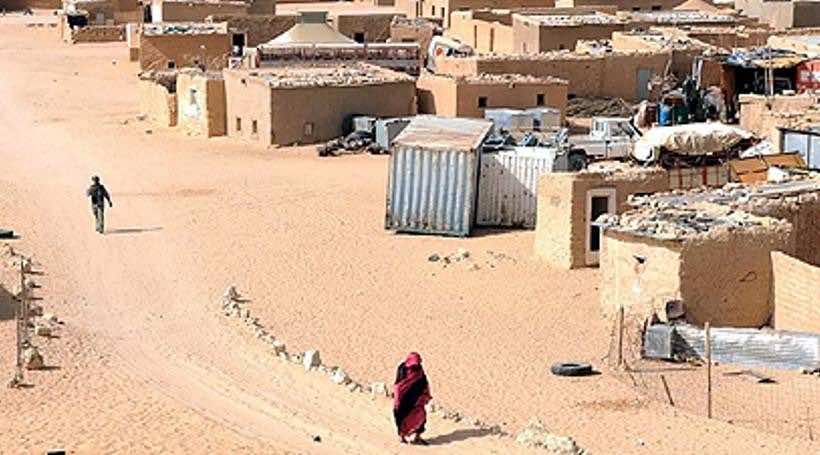
Comparing the two contrasting health situations, Miller stresses that the Tindouf camps, which house 170,000 Sahrawi refugees, have already been overrun by pre-existing health conditions such as diabetes, malnutrition, and anemia. “As was expected, the pandemic only served to worsen the already precarious situation,” wrote Miller of the situation in the camps.
Meanwhile, Sahrawis living in Morocco’s southern provinces “enjoy relatively better health care infrastructure, supply of medical personnel and PPE, and hygiene products,” in addition to the region’s rapid economic growth. This, Miller contends, has been the result of Morocco’s heavy investments in the region in the last 40 years.
Miller concludes that while the health emergency for Sahrawis in the Tindouf camps requires “immediate attention,” their Moroccan counterparts enjoy much higher standards of living as they “live where their health needs are adequately met.”