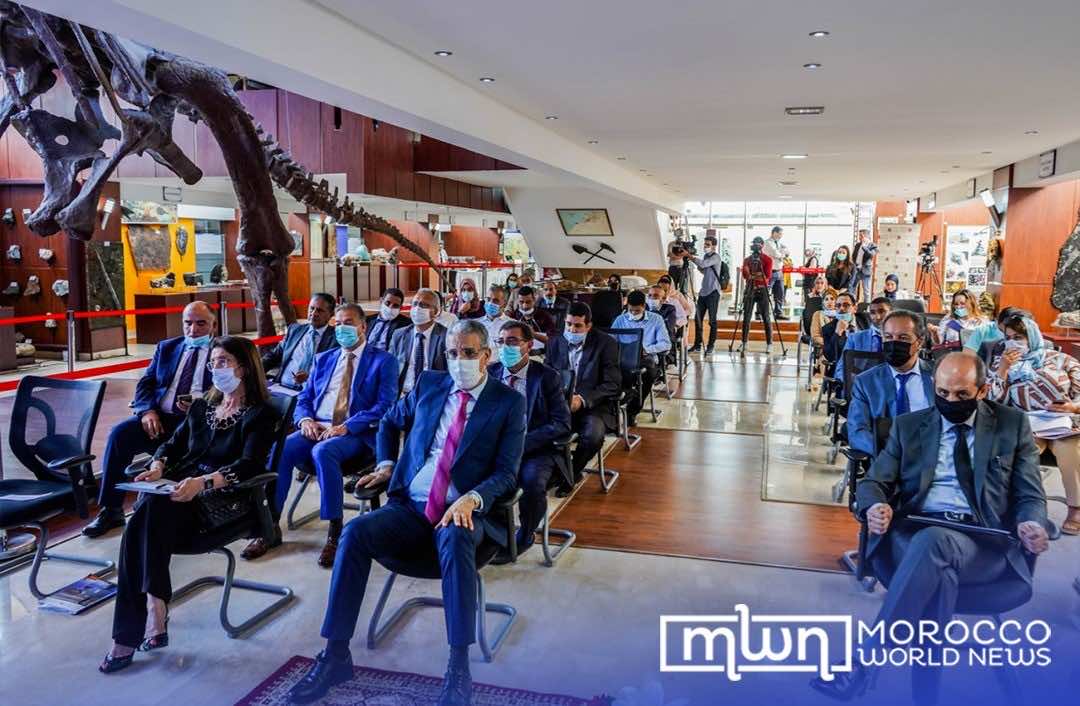
Rabat – Morocco’s Minister of Energy, Mines and Environment, Aziz Rabbah, presented today the new Morocco Mining Plan 2021-2030.
The new mining plan is an update of Morocco’s developmental strategy in place for 2013-2025 and its aim is to enhance the mining sector’s “performance and its economic and social impacts,” according to a government press release.
The new plan aims to address a variety of challenges the mining sector in morocco currently faces, from discovering new deposits, growing the added value of the extracted materials, to ensuring sustainable development of the sector.
Rabbah believes that the new plan could “make the mining sector a driving force for responsible and sustainable development at the local, regional, and national levels, combining good governance, economic integration and the respect of the environment.”
“We are discussing a new phase and a new agreement 2021-2030 concerning the exploitation and valuation of natural resources, especially minerals,” Rabbah told Morocco World News (MWN). He added that the plan was conceived “in a cooperative manner with all the contributors via workshops, dialogues, and negotiations over the course of a year and a half.”

The Morocco Mining Plan has been developed along four strategic pillars: developing a network of competitive stakeholders, reforming how the sector’s institutions are organized, ensuring the mining sector’s positive social impact sustainable development, and altering Morocco’s legislative framework to make it better suited to the county’s “new ambitions” in the sector.
“We took into consideration of course the strategy that started in 2013, including its results whether positive or negative,” Rabbah explained.
Read also: Minister Calls For More Investments to Strengthen Morocco’s Mining Sector
The new mining plan notes that Morocco has 70% of the world’s phosphate reserves, in addition to Morocco’s consistently high rankings in various mineral exploitation efforts. The North African country ranks 19th worldwide and 1st in Africa for silver exploitation, 7th worldwide and 2nd in Africa for fluorite, 3rd worldwide and 1st in Africa for barite, and 11th worldwide and 3rd in Africa for cobalt.
Citing these figures, the ministry’s energy and mines department underlined that Morocco’s “mining sector is still considered among the pillars of the national economy.”
Rabbah told MWN that the ministry “also took into consideration the transformations that are happening at the national and international levels in terms of the valuation of natural resources and the main economic transformations in the world.”
He added, “This is especially so as we are living in an era of new technologies, inventions, and energies.”
The mining sector currently contributes between 7% and 10% to Morocco’s gross domestic product, makes up approximately 21.7% of the country’s exports, and positively impacts national transport and port activity.

The department stresses that in order to secure sustainable regional development, particularly within the context of towns that have developed parallel to newly erected mines, “it is essential to integrate the ‘post-mining’ component from the start of any mining project.”
The ministry has also provided concrete strategic approaches to ensure the plan’s success. The development plan listed seven key strategies, starting with the need to strengthen the National Office of Hydrocarbons and Mines’ role in the sector. The second was the call to develop the human skills and technical resources of Morocco’s geology departments, including the opening of several new laboratories. Third on the list was government support for small businesses in the sector.
Read also: ‘Made in Morocco’: Mining Boom Demands Focus on Value Added Products
The fourth was the development of the Mining TPME at the national level as well the development of Tafilalet and Figuig as Morocco’s mining regions. The fifth strategy on the list concerns the Moroccan educational and training institutes, with the view to further facilitate the training and Morocco’s human resources.
Sixth on the list was to “foster the emergence of an industry for upgrading and processing mining products.” The last concrete strategy was the seventh one, which suggested reforming the tax regime imposed on the sector’s stakeholders.
To ensure a successful implementation of the plan, the ministry has derived 21 developmental axes, 58 levels, and 127 actions. The plan’s implementation will also be “accompanied by governance structures whose role is to ensure its implementation, the promotion of transparency, the empowerment of actors and the exemplary nature of the sector in the management of aspects for environmental and sustainable development,” explains the ministry.
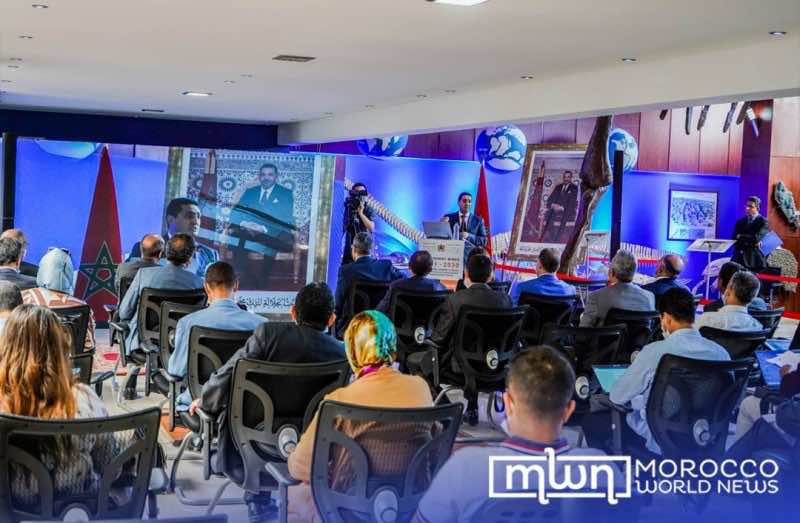
The minister told MWN that the most important aspect is that Moroccan authorities must learn to deal with Morocco’s various private sector stakeholders, whether Moroccans or foreigners, and that it is up to the ministry to “set specific criteria to regulate them and get acquainted with them and deal with them.”
“It’s an important thing for these actors to be accompanied, and it is also needed to have a direct dialogue with all the contributors,” underlined Rabbah, concluding that ultimately these stakeholders “need more trust from the private and public sectors.”