Rabat – Algeria’s government is responding to its humiliating election turnout with a renewed round of arrests and repressive measures against the Hirak.
A large majority of registered voters did not turn out for Algeria’s legislative elections on June 12. Algeria’s pseudo-military regime had anticipated such a response after the nationwide reform movement, the Hirak, had called for its supporters to boycott what it considered to be a mock election with little promise for structural change.
Algerian leadership had attempted to preempt such a boycott by downplaying the importance of a democratic mandate backed by a majority of the populace. “I have already said that the voter turnout does not interest me,” Algeria’s President Abdelmadjid Tebboune stated as he left his polling station on election day.
Yet as hours crept by on election day, Algeria’s press reported eagerly on the hour-by-hour increase in voter turnout. Government figures set the turnout at 30%, a new record low for Algerian legislative elections. Many in Algeria’s embattled press considered the turnout rate to be closer to 23%, which would constitute a record low in the history of Algerian elections.
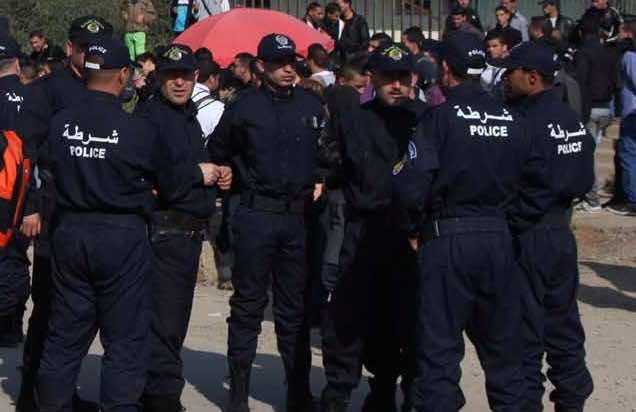
In response, Algeria’s governing elite has not opened up to the majority of voters that showed its discontent through the boycott. Instead, it is applying a new round of repression, arrests, and intimidation to stifle dissent in what the government still calls the “new Algeria.”
One of the victims of the renewed crackdown is Fatiha Briki, a retired professor and member of the National Committee for the Liberation of Detainees (CNLD). Briki was arrested on Thursday after having her home ransacked by police. Her family has since not heard from her.
For many in Algeria, the humbling turnout on election weekend is in itself a victory over “the power,” as Algerians refer to their opaque pseudo-military leadership. Algerian newspaper Liberte Algerie described the election result as a “triumph for the Hirak,” yet few expected the government to respond to the movement’s demands.
Liberte Algerie highlighted that many voters had visited their polling stations, but had refused to vote by abstaining, which would reduce voter turnout to a measly 19%. In the face of a humiliating response to months of government communication on their envisioned new democratic transition, it appears that it will be the police, not politicians that will respond to public criticism.
With protesters demanding nothing less than total regime change, the democratic process in Algeria appears to have been reduced to an opportunity for citizens to voice their opposition, although few expect the government to listen.