 Join on WhatsApp
 Join on Telegram
Rabat – The UN released a report on global child labor rates ahead of the international day against child labor. The June 3 report revealed that the number of children forced into labor has increased for the first time in 20 years.
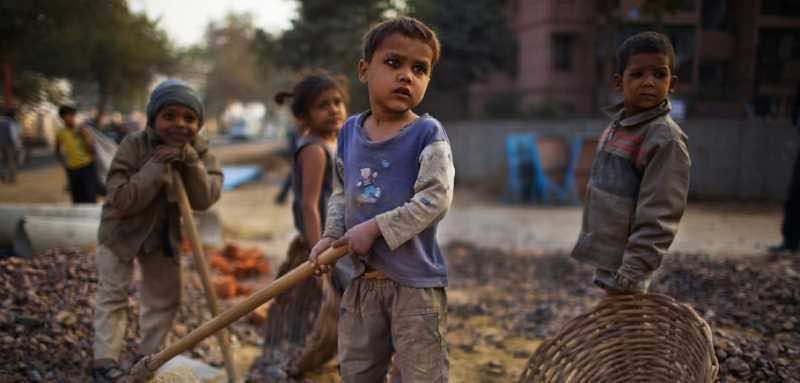
The number of child laborers around the world has reached 160 million. Noting an increase of 8.4 million child laborers in four years, the COVID-19 pandemic has exacerbated the situation further.
The International Labor Organization (ILO) and the UN’s Children’s Fund published the report titled Child Labour: Global estimates 2020, which discussed the specific effects of COVID-19 on child labor.
A report by the UN from December 2020 disclosed that two-thirds of school-aged children worldwide do not have access to the internet at home, indicating that the disparities are creating a “digital divide.”
While some children had access to the internet and learned in an online environment during the COVID-19 pandemic, others from disadvantaged backgrounds did not have the tools and means necessary to keep up with school.
The digital divide is compounding even more inequalities, as it has deprived students of low income of having access to education.
The report noted that the pandemic reversed the positive shrink by 94 million in children forced to work between 2000 and 2016.
An alarming shift has impacted the world’s poorest, most vulnerable communities and further deepened socioeconomic disparities.
The prominence of COVID-19 has had substantial economic repercussions and has forced families to make heartbreaking decisions.
With parent’s revenues falling or completely disappearing, children had to quit school entirely to earn a living and support their families.
According to the UN report, nearly 1 in 10 children are subjected to child labor worldwide, and sub-Saharan African countries already have a quarter of children younger than the age of 17 working in forced labor.
Half of the affected children are reportedly between the ages of 5 and 11, and boys accounted for 97 million of the 160 million children in labor, equalling nearly 61%.
The situation calls on governmental and non-governmental organizations to implement policies that can protect children from exploitation and ensure their right to an education is protected.
Education is a means for disadvantaged children to climb their way out of poverty. Child labor deprives them of this fundamental humane right and undermines their prospects for a better life.
The child’s lack of education and young age put them at risks of exploitation that can extend to slavery, sexual exploitation, and human trafficking.
Child labor also robs children of their childhood and exposes them to inhumane practices that can forever damage their psychological and physical development.
In addition, the work conditions are often hazardous and dangerous for their frail bodies. This includes mining, working in brick kilns, or even sex work, which puts them at a higher risk of suffering lifelong complications and contracting diseases.
It often results in extreme damage to their health and prevents them from enjoying a normal life, like the rest of their counterparts.
The report concludes that action needs to be taken and called for the prioritization of “investments in programs that can get children out of the workforce and back into school.”
The data also suggested that the COVID-19 pandemic may contribute to the continual aggravation of the situation, with 50 million kids at risk of child labor.
The report underscores the importance of assisting struggling families to avoid putting more children at risk.
“We cannot stand by while a new generation of children is put at risk,” said the ILO’s director-general Guy Ryder.
“We are at a pivotal moment, and much depends on how we respond,” he added, noting the importance of engaging in initiatives that will reverse this alarming pattern.